GPU rumors: New graphics cards may not arrive until 2027
News Add as a preferred source on Google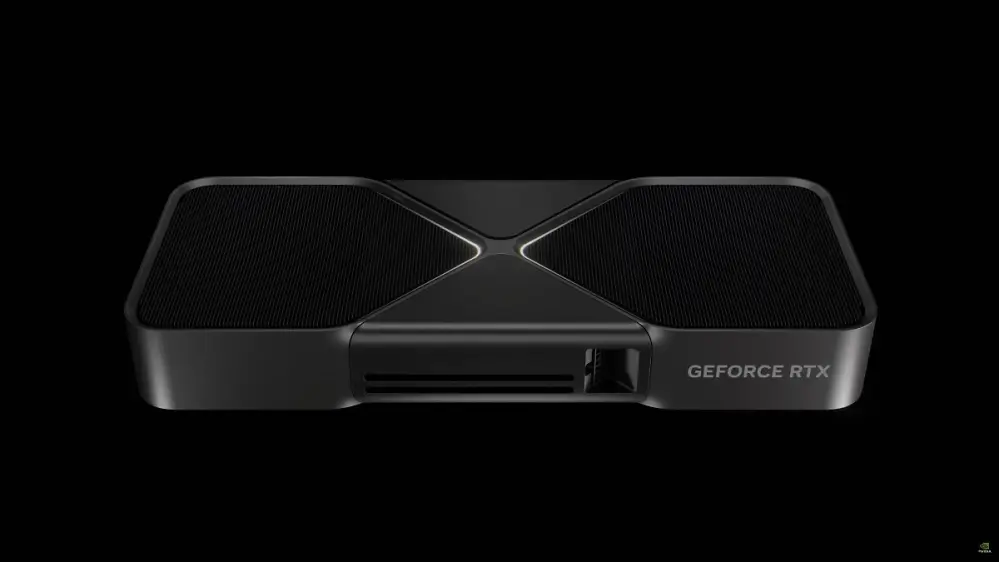
AMD, Nvidia, and Intel left key questions unanswered at Computex 2026: New rumors place RDNA 5 and the RTX 50 Super somewhere between late 2026 and 2028. Anyone planning to buy a new GPU can find out here what there is to these claims.
AMD, Nvidia, and Intel remain silent on next-gen GPUs
Around Computex 2026, AMD, Nvidia, and Intel shared no concrete details about their GPU roadmaps. Beyond the official keynotes, however, rumors are already circulating. We took a closer look at what they suggest about the possible release window for AMD's RDNA 5, potential RTX 50 Super refresh cards, and the future of Intel Arc.
Little else appears to be coming this year
According to AMD board partners at the trade show, new Radeon graphics cards based on the RDNA 5 architecture are not expected before 2027 at the earliest. Nvidia's rumored Geforce RTX 50 Super refresh remains uncertain after repeated reports of delays, while Intel has once again left the future of new Arc graphics cards unclear. For anyone considering a GPU purchase or waiting for the next generational leap, we break down the latest rumors and what they could mean. Buyers may need to stay patient for quite some time.
AMD Radeon GPUs based on RDNA 5 not expected before 2027
Around Computex 2026, AMD board partners told Dutch outlet Tweakers about the expected launch window for the next Radeon graphics cards based on RDNA 5. Those waiting for a direct successor to the Radeon RX 9070 XT should be prepared for a longer wait: the first RDNA 5-based graphics cards ("GFX130X") are reportedly not expected to appear before 2027 at the earliest, if they arrive then at all. Some sources are even more pessimistic.
The board partners surveyed appear to agree on one thing: there will be no "next-gen Radeon" before 2027. According to Tweakers, however, their estimates differ significantly when it comes to which quarter the cards might launch.
What is known so far about the RDNA 5 architecture
Details attributed to sources around leaker Kepler_L2 point to a flagship model with 96 compute units, translating to 6,144 FP32 shader units. That would represent a roughly 50 percent increase in compute units compared with RDNA 4. Below that, AMD is rumoured to be planning a mid-range model with 64 CUs and an entry-level variant with 32 CUs.
Whether this will allow AMD to catch up with Nvidia and compete seriously in the high-end market again will be one of the key hardware questions of 2027. A next-gen Radeon launch is unlikely before mid-2027 and could slip toward the end of the year. It seems unlikely, however, that the Radeon RX 9070 XT will remain AMD's fastest Radeon until 2028.
Geforce RTX 50 Super not until CES 2027?
The rumor situation around Nvidia's Blackwell refresh, commonly referred to as the Geforce RTX 50 Super series, remains unsettled. Although Nvidia has never officially announced the lineup, reports about it were effectively dismissed in January, resurfaced later, and were reportedly pushed back again around Computex 2026. If the cards do end up launching at CES 2027, held from January 6 to 9 in Las Vegas, Nvidia's RTX 60 "Rubin" generation is unlikely to arrive before 2028.
3DCenter.org has also taken a closer look at the rumors surrounding the Geforce RTX 50 Super and RTX 60 series and comes to the following conclusions.
 Source: 3DCenter.org
Die möglichen Zeitfenster für die Geforce RTX 50 Super und die Geforce RTX 60.
Under that scenario, both series would be running roughly a year behind Nvidia's original schedule. Limited competition, Nvidia's highly lucrative AI business, and the ongoing memory shortage may all be contributing factors, with GDDR7 prices reportedly rising sharply.
Source: 3DCenter.org
Die möglichen Zeitfenster für die Geforce RTX 50 Super und die Geforce RTX 60.
Under that scenario, both series would be running roughly a year behind Nvidia's original schedule. Limited competition, Nvidia's highly lucrative AI business, and the ongoing memory shortage may all be contributing factors, with GDDR7 prices reportedly rising sharply.
According to leaker MEGAsizeGPU, the Geforce RTX 5060 12GB Super may have been added to the lineup as well. The Blackwell refresh is currently rumored to include three additional models: the Geforce RTX 5080 Super with 24GB of GDDR7 memory, the Geforce RTX 5070 Ti Super with eight 3GB memory ICs, and the Geforce RTX 5070 Super with 18GB of GDDR7. Prices are expected to keep rising.

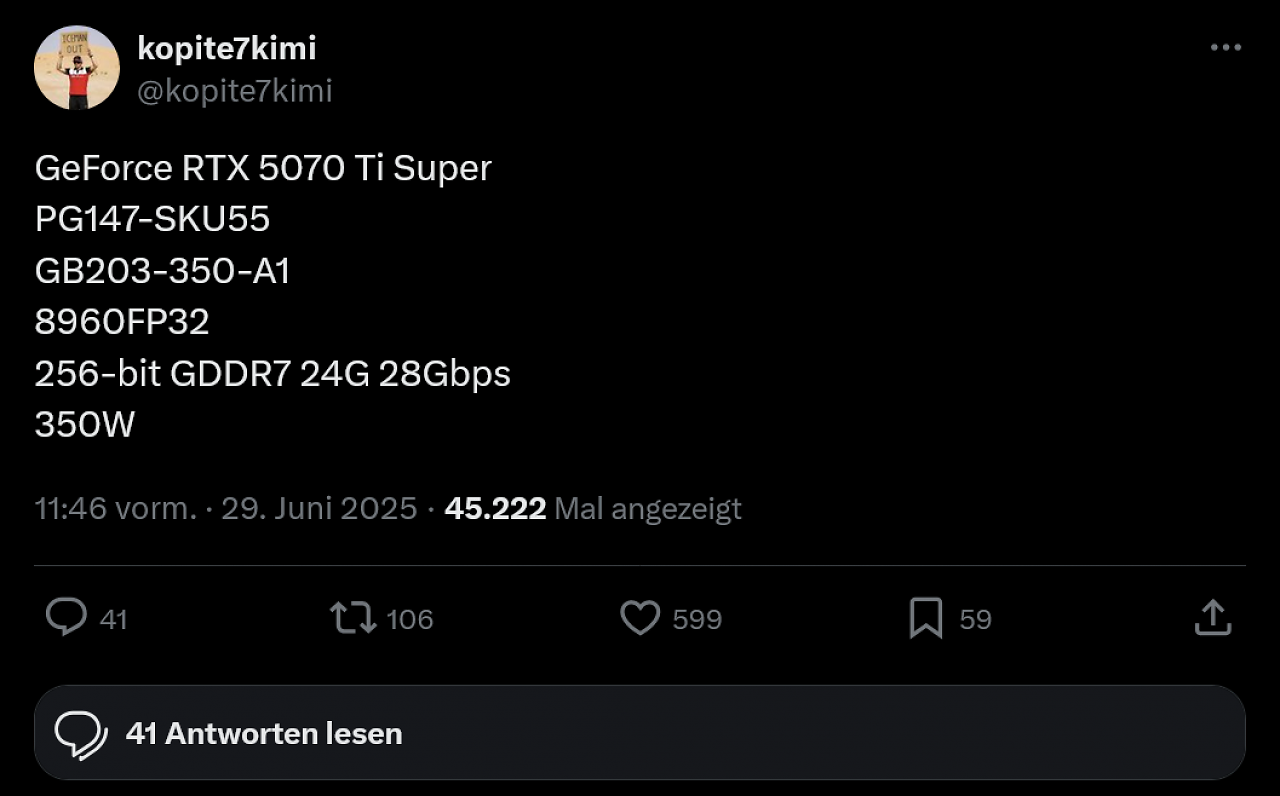

*) Not officially confirmed.
Intel Arc is completely out of the race for now
During Computex 2026, Intel updated its GPU architecture roadmap, listing the upcoming Xe3P architecture under a "Next Gen PC" heading. For gamers who have long been hoping for a successor to Battlemage, this might sound like a possible Arc comeback in the gaming market. The slide, however, is far from confirming that. If anything, Intel appears to be stepping back from dedicated gaming GPUs for the time being.
Intel Xe3, alias "Celestial," is considered canceled for desktop
Based on current information, a discrete gaming variant based on Xe3P "Celestial" has reportedly been canceled, leaving Xe2 "Battlemage" as the latest Arc generation for gamers. Xe4 "Druid" also remains "up in the air," according to insider Jaykihn, who commented on the matter only a few weeks ago. Even if it does happen, a launch is not expected before 2027 at the earliest.
Since the Xe2 "Battlemage"-based Intel Arc B770 and B750 never materialized, there are justified doubts about Intel's future in dedicated gaming graphics cards. Integrated graphics solutions appear to have priority.
Gamers still need to be patient
It seems the next "new" graphics cards may be more refresh than revolution. Gamers are unlikely to see the Geforce RTX 50 Super before early 2027, while Nvidia's RTX 60 "Rubin" generation and AMD's RDNA 5-based Radeon cards could take significantly longer to arrive. For now, the industry's focus clearly remains on AI hardware.
Quelle: Kepler_L2, MrMPFR, MEGAsizeGPU, kopite7kimi, Jaykihn via 3DCenter.org