Gothic Remake Performance Review: 500+ Benchmarks with 62 CPUs, 40 GPUs and Linux
PCGH tests Gothic Remake with over 500 benchmarks: 62 CPUs, 40 GPUs at six resolutions, Linux, VRAM demand and recommended settings at a glance.
Special Add as a preferred source on Google 49,99 €
Table of Content
Nearly seven years have passed. Seven long years since the Gothic Playable Teaser first appeared in December 2019, testing the waters for a remake of the German RPG classic and gauging how much interest there still was among players. Built back then on Unreal Engine 4, the playable proof of concept was meant to answer a simple question: could a game like Gothic — a tough, unforgiving open-world RPG with its rough-edged charm and uncompromising tone—still appeal to modern players? That was by no means certain. After all, the original came out 26 years ago. Games have changed, design philosophies have shifted, virtual worlds are built differently now, and players' habits and expectations have changed almost beyond recognition.
But Gothic was always something special. Even in 2001, the original stood out thanks to its unusual design, its wild and merciless world, and above all, its raw and unpolished feel, along with the endearing bluntness of its characters. It gathered many fans, especially in Germany and Eastern Europe. After more than 180,000 Steam users downloaded the playable teaser and the developers at THQ Nordic Barcelona received over 30,000 messages containing feedback, suggestions, criticism and encouragement, the project 'Gothic Remake' was greenlit.
Production of the Gothic Remake was officially announced in early 2020. Publisher and rights holder THQ Nordic, which had acquired the brand rights in 2019, put the Spanish studio Alkimia Interactive in charge of the project. The studio grew out of the newly founded THQ Nordic Barcelona, which had previously been responsible for the Gothic teaser. Following the insolvency of Piranha Bytes, the developers of the original game, several Gothic veterans were also persuaded to bring their experience and expertise to the remake. Alkimia Interactive also made a point of involving the community closely throughout development, taking fan feedback as well as criticism from the specialist press and content creators seriously.
During Steam Next Fest 2025, Alkimia Interactive released another demo, this time based on Unreal Engine 5.4.3. The demo, titled Nyras Prologue, which we had already tested from a technical perspective. This playable showcase already gave a clear sense of the potential behind the remake, while also offering a first proper glimpse of the direction chosen for its art style. Capturing the old, rough charm, the rawness and the unpolished character of a 25-year-old original is no easy task — especially while also appealing to modern players and modern visual expectations, and without making the game look like just another Unreal Engine 5 title.
Following the Nyras demo, the Barcelona-based developer once again received a great deal of community feedback. And once again, Alkimia Interactive listened. Many of the comments and suggestions, particularly those concerning art direction and tone mapping, were reflected in the final game. At the same time, the studio made broader and more refined use of Unreal Engine 5's technical capabilities, expanding on them in several areas.
In the Gothic Remake, you once again play as the Nameless Hero — not because your character does not have a name, or has forgotten it. It is simply that nobody cares. Convicted of a crime that is likewise never specified, you are unceremoniously thrown into the penal colony in the Valley of Mines at the start of the game. The only thing you carry is a mysterious letter for the Fire Mages. The kingdom of Myrtana is at war. The king needs magical ore to hold back the advancing Orc armies, and you, a nameless convict, have been chosen to lend your support with a pickaxe and forced labour. Since nobody can leave the prison camp once they have entered it, you are also condemned to serve as a one-way courier for the mages.
Bildergalerie
Naturally, life in the colony is brutal. Alongside the rough inmates, the local wildlife is extremely dangerous as well, and it wastes no time tearing into careless fresh meat wandering around unprepared. Stray into the wrong area, pick a fight with the wrong people, or leave the beaten path with too much enthusiasm, and in Gothic you will quickly end up dead. This mercilessness toward newcomers, this harshness, this rough tone, already helped define the original Gothic and, in a sense, set the tone for the entire series. Despite the passing of time, little of that has changed in the remake.
Fortunately, not every inmate in the colony is out to kill you — or at least to punch your scrawny nameless hero in the face. Shortly after entering the Valley of Mines, you meet Diego, an experienced inmate who explains some of the camp's rules, offers a few essential survival tips and, should you need it, shows you the way to the Old Camp, one of the three main factions. From that point on, barely fifteen minutes into the game, you are free to explore the valley. You can follow Diego to the Old Camp, or find your own way there.
Or, despite all the dangers and all the sensible advice, you can ignore everything and set off on your own, following your nose. In principle, you can go wherever you like and do whatever you want. That is how Gothic works: it gives you guidance when you ask for it. But unlike many modern open-world games, and even plenty of older ones, it does not hold your hand. It loosely points you in the right direction, shows you the next step, and gives you a rough sense of where to go if you want one. But it also gives you freedom as a player. It lets you off the leash — as paradoxical as that may seem, given that your character is a prisoner. This freedom, which can very quickly get you into trouble, together with the untamed danger of the world and the roughness of its inhabitants, who care little for your fate and certainly do not go easy on you as a newcomer, is what makes Gothic what it is. These qualities define its tone and shape its identity. Thankfully, they are also present in the Gothic Remake.
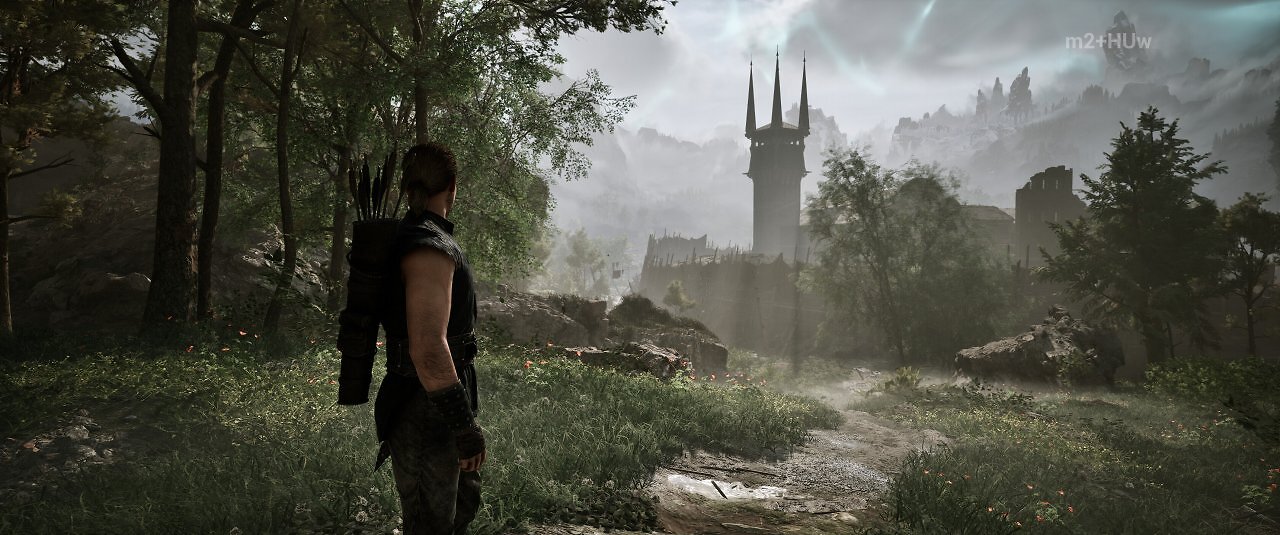
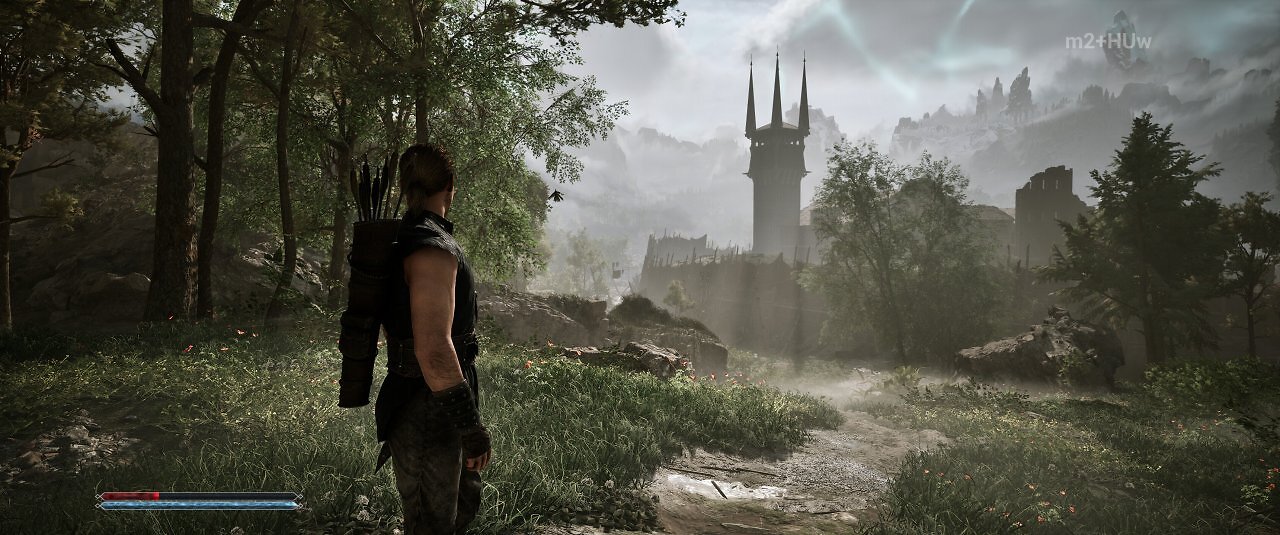
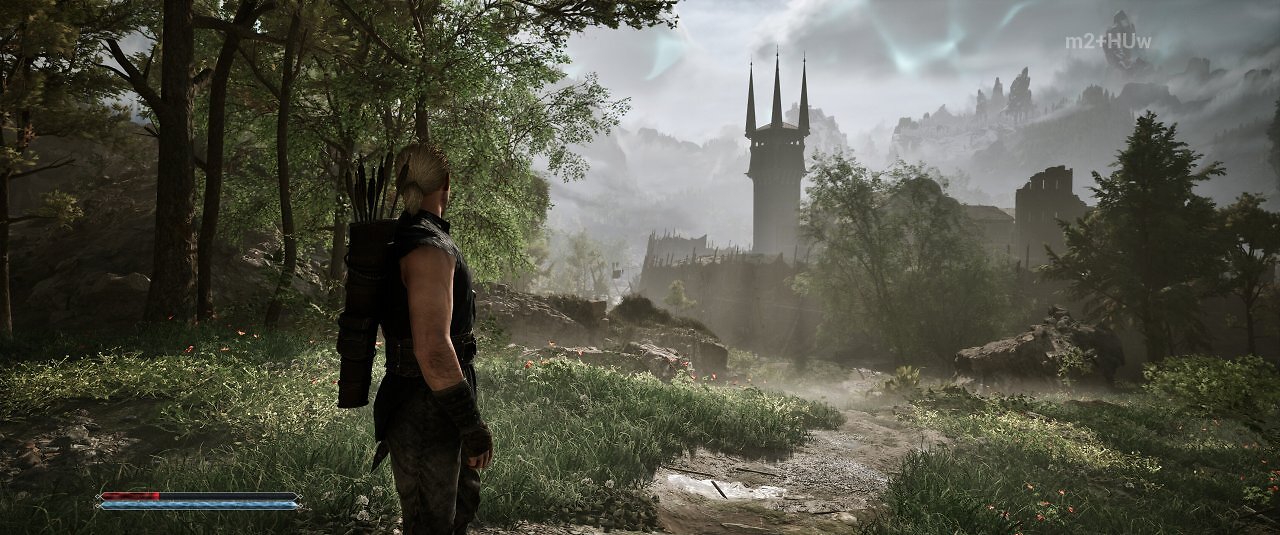
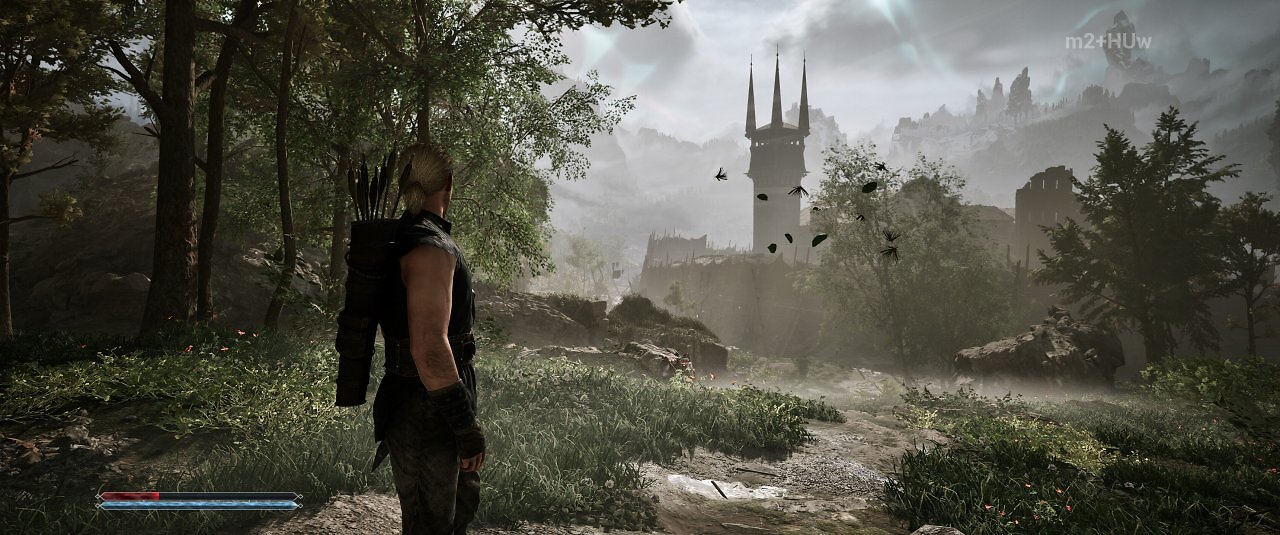
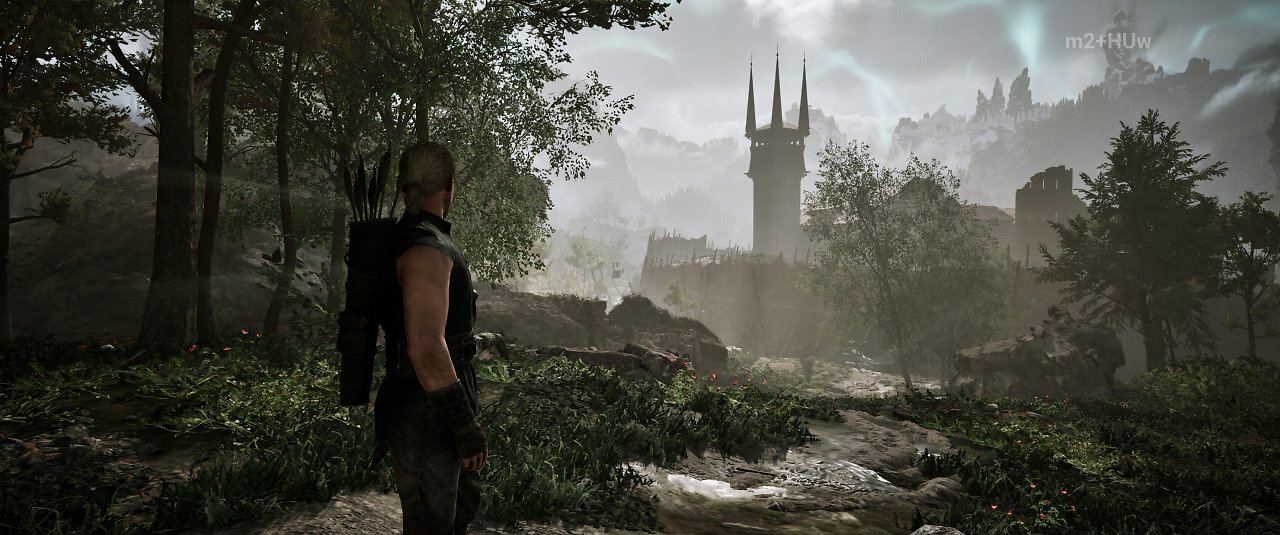
The developers and designers at Alkimia Interactive did not simply copy the dialogue, content and game world one-to-one and give them a technical facelift. Instead, they rebuilt them from the ground up based on the original, carefully changing, expanding and adding to them where appropriate. Characters and dialogue have been gently rewritten to feel more natural and believable, without watering down the crude tone or sacrificing the familiar and beloved one-liners, or the blunt directness of the NPCs. The game world and its assets have also been carefully redesigned from scratch, while its content has been expanded.
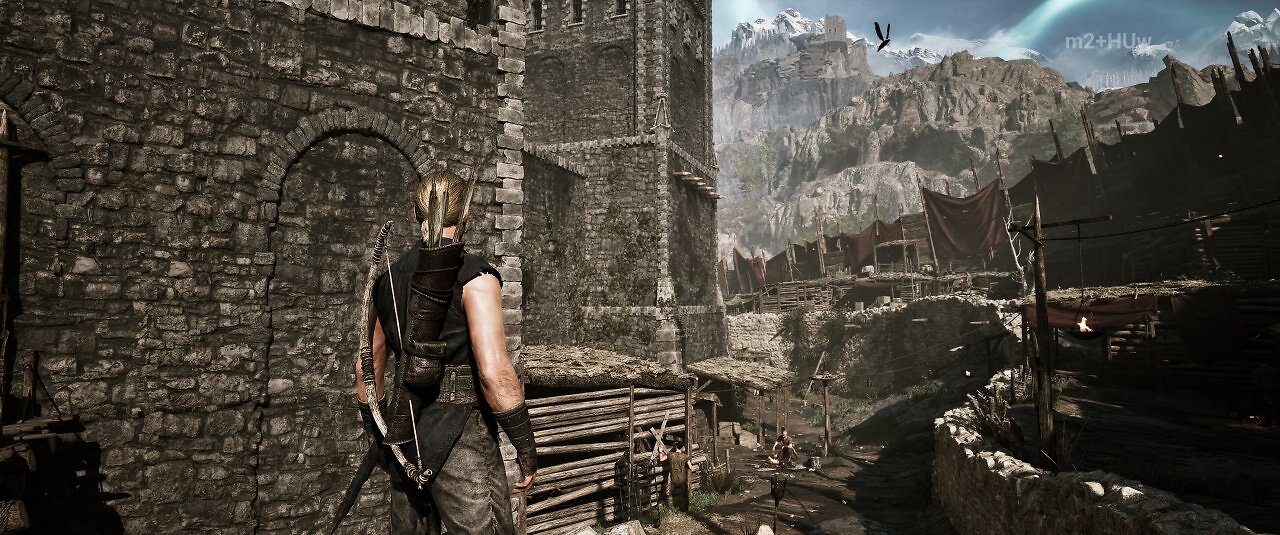
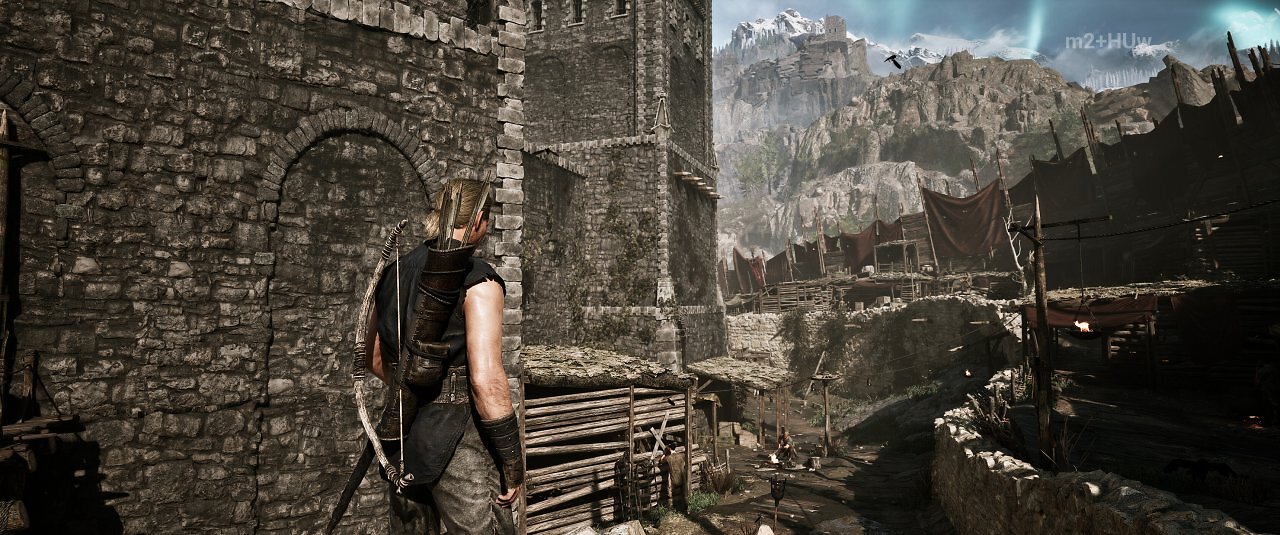
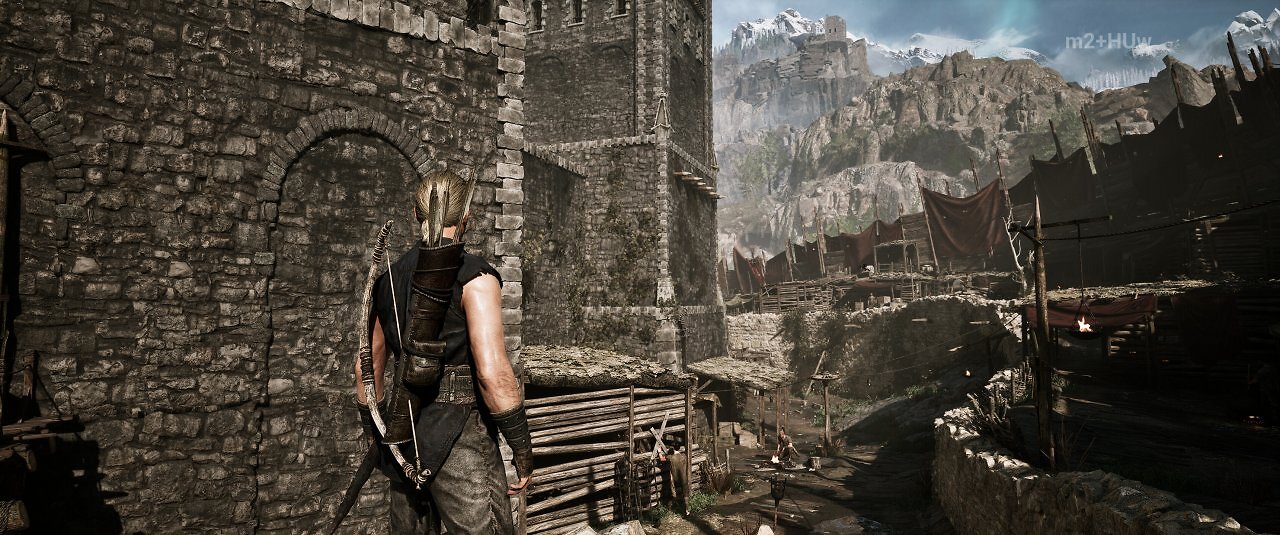
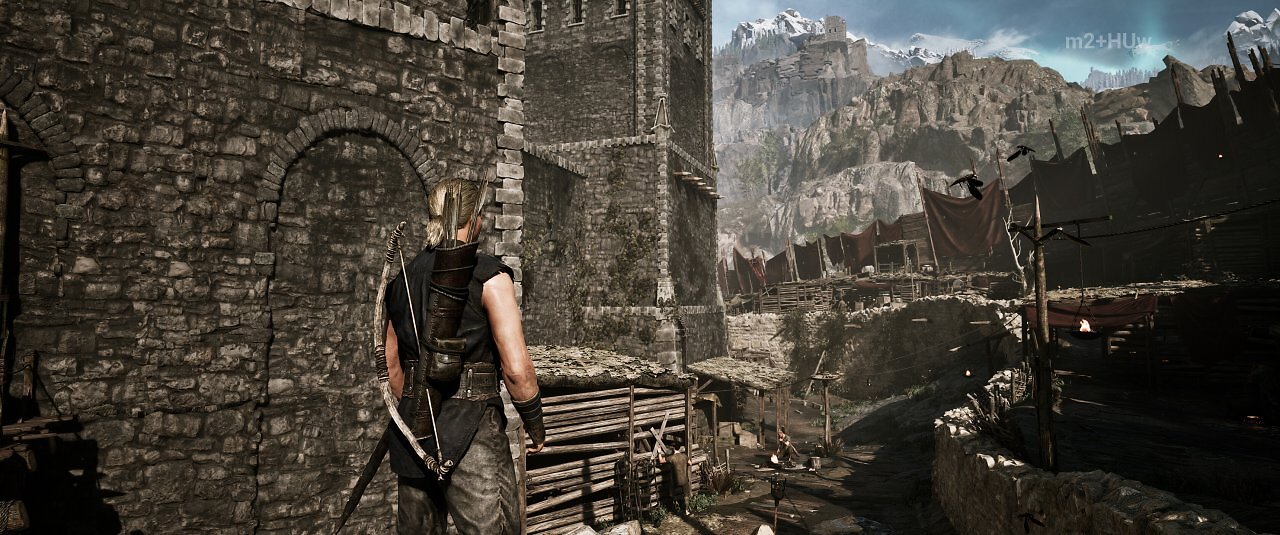
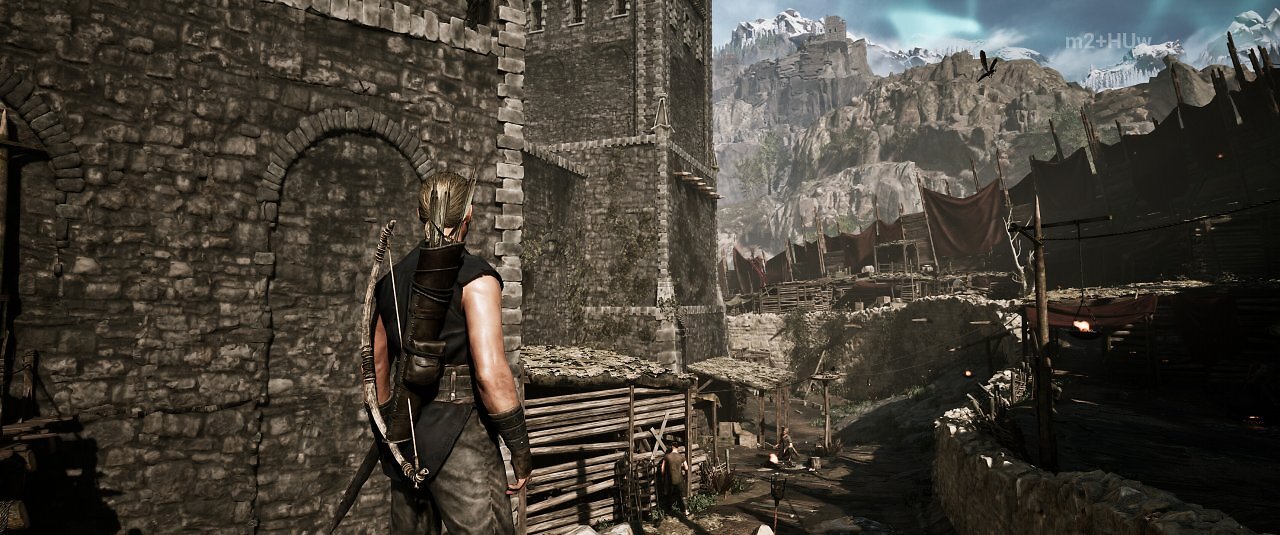
The Valley of Mines is somewhat larger in the remake and features a dramatically higher level of detail, yet it is unmistakably and unquestionably still the world of Gothic. The developers have done an excellent job. It must have been a major challenge to revive a a 26-year-old genre classic with modern technology while preserving its old charm, without making it feel too old-fashioned. The Gothic Remake really does manage to capture the look and feel of the cult classic and reinterpret it through the modern technical framework of Unreal Engine 5. Alongside the world design and the characters, the visuals play a major part in that. Which brings us to graphics and technology.