
Gothic Remake: Technology in Detail
The Gothic Remake runs on a customized version of Unreal Engine 5 — here's what that means for visuals and performance.
Inhaltsverzeichnis
Graphics and Technology
As mentioned earlier, the Gothic Remake uses Unreal Engine 5.4.3. Developer Alkimia Interactive has, however, backported a number of improvements that were introduced in later UE5 updates. One of these is PSO precaching from Unreal Engine 5.7. Alkimia Interactive also uses a Lightweight Actor Cache. In Unreal Engine 5 terminology, "actors" are dynamic objects that players, NPCs and the game world can interact with. The Lightweight Actor Cache ensures that these interactive objects — NPCs and items, for example — communicate as directly as possible with the relevant engine modules, while intelligently caching data or placing data needed shortly afterwards into an efficient cache.
In practice, the Gothic Remake runs remarkably smoothly. Loading hitches and traversal stutter are rare, and overall performance is consistently smooth — provided you have plenty of graphics horsepower, because the GPU is generally put under heavy strain. That is quite impressive, especially since the visuals are also very attractive. Alkimia Interactive also makes use of several special features and advanced effects offered by Unreal Engine 5. These include wave and ocean simulation, for example. At the highest graphics settings, the Gothic Remake also uses enhanced Lumen effects, high-quality Virtual Shadow Maps and complex global illumination.
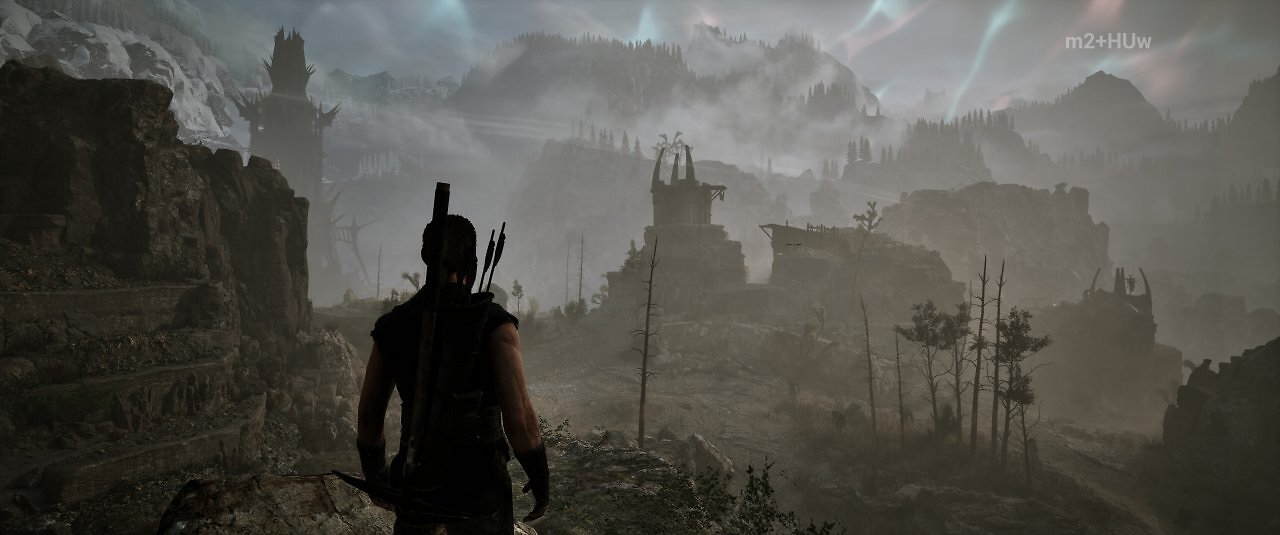
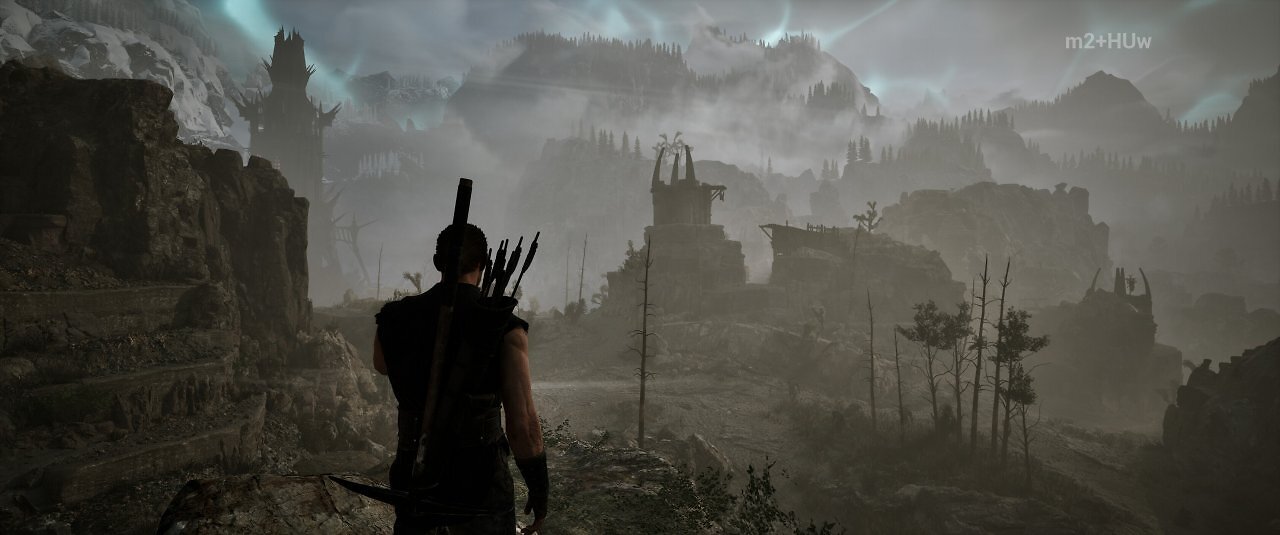
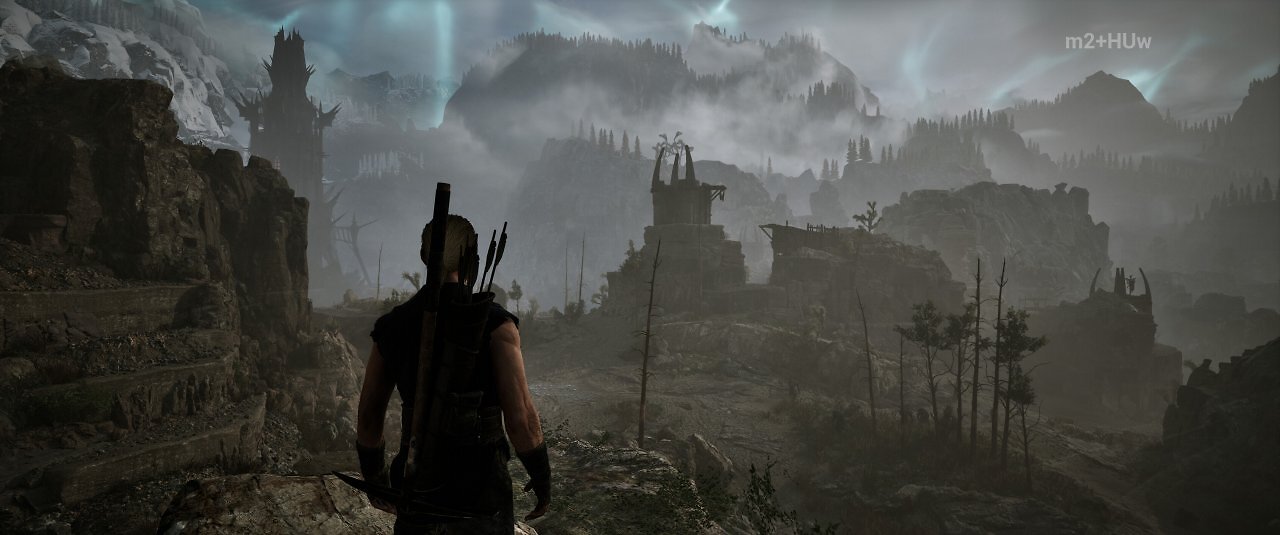
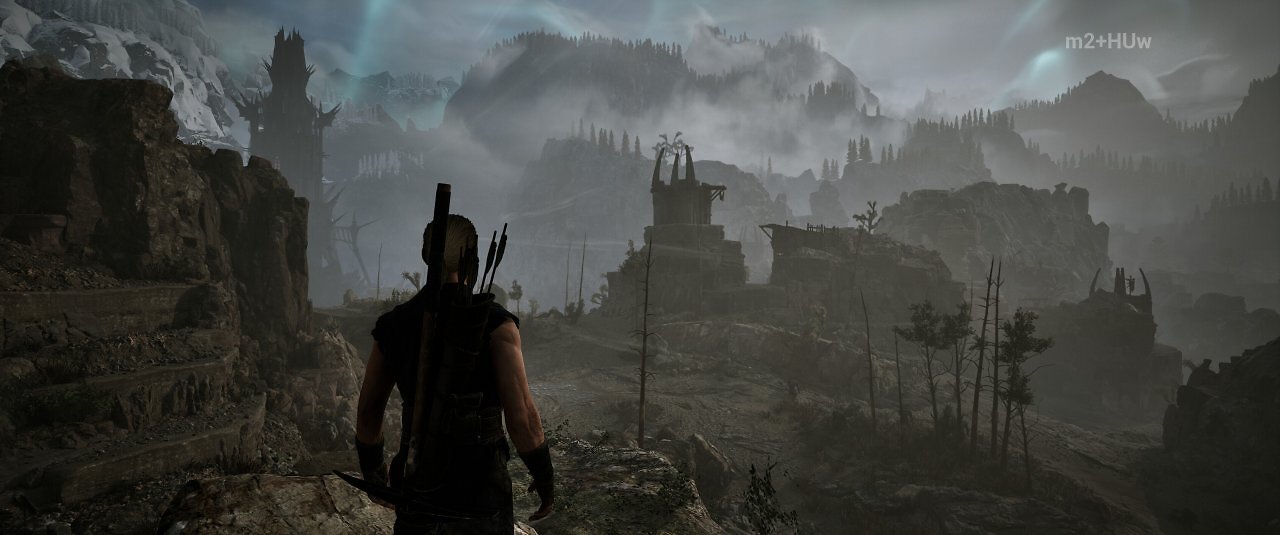
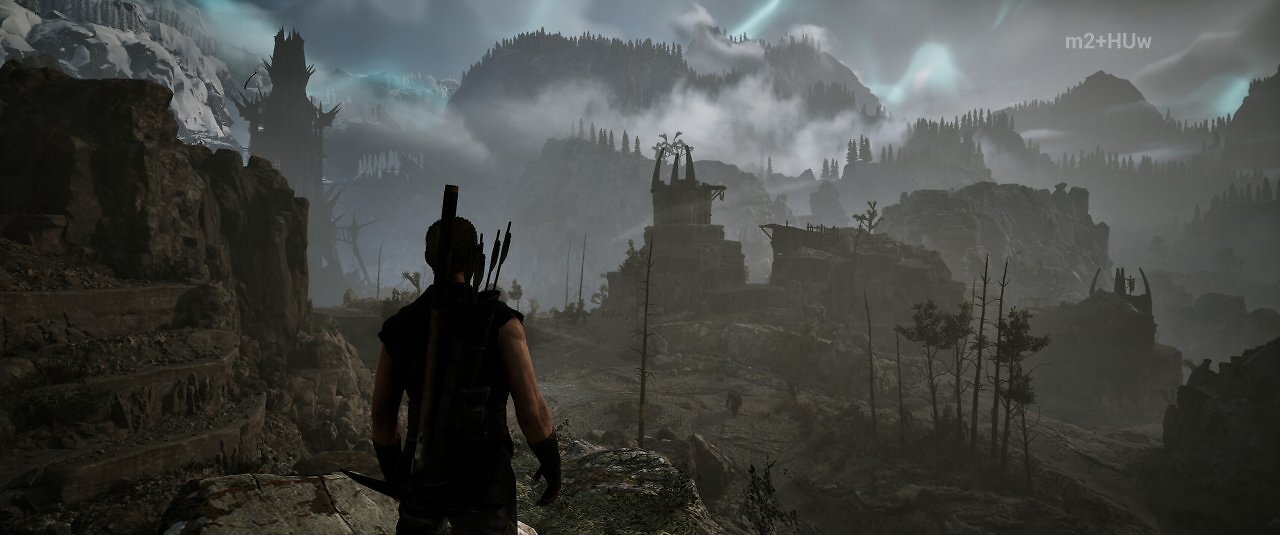
With the highest detail preset, the Alkimia setting listed as "experimental" in the options menu, the direct lighting, the indirect bounce light from Lumen GI — which also takes additional light bounces into account — the shadows rendered via VSM and other light sources all interact very nicely with the volumetric effects. The latter are almost omnipresent in the Gothic Remake and contribute a great deal to its atmosphere.
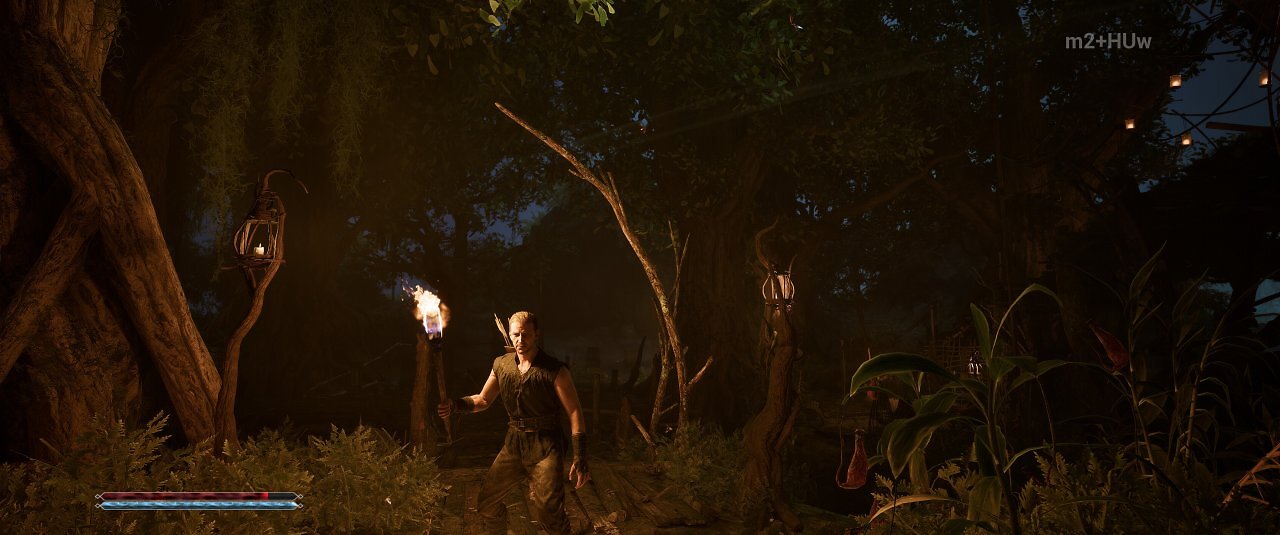
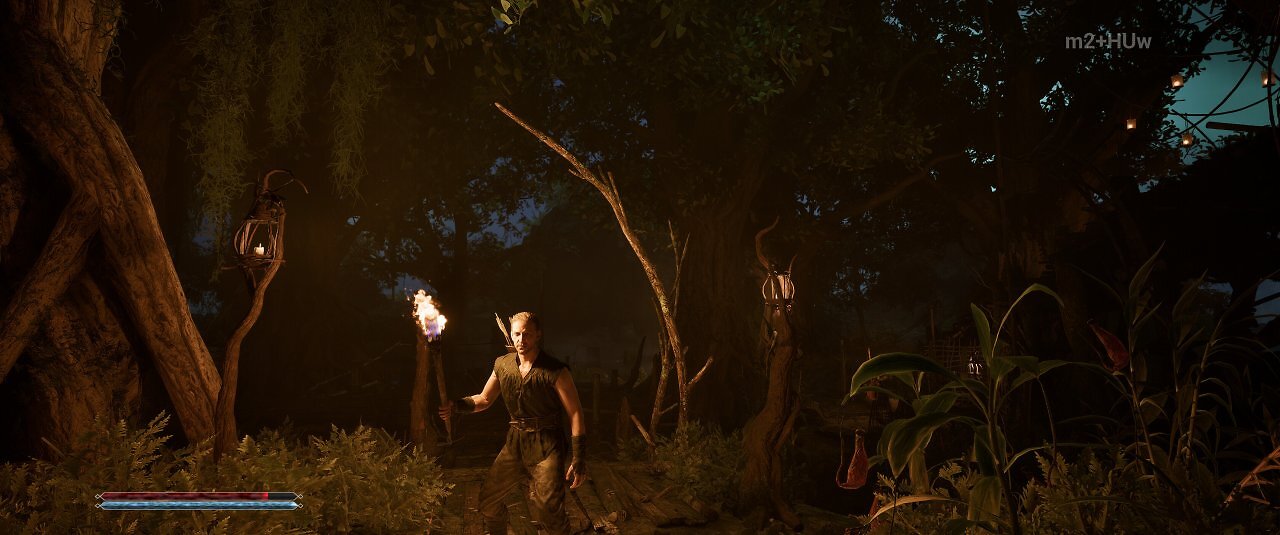
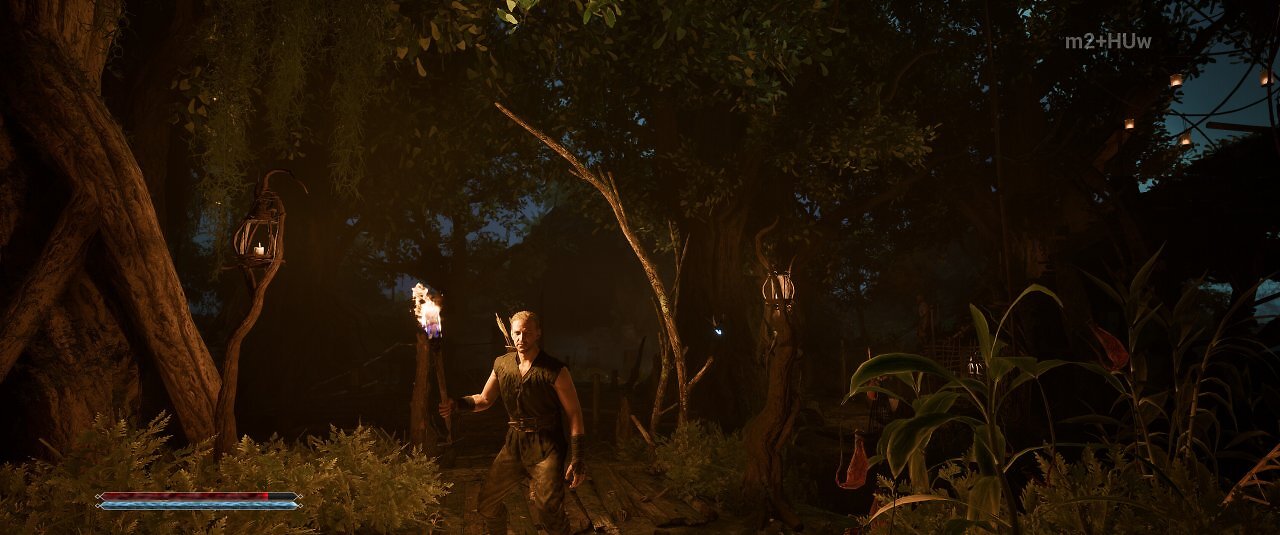
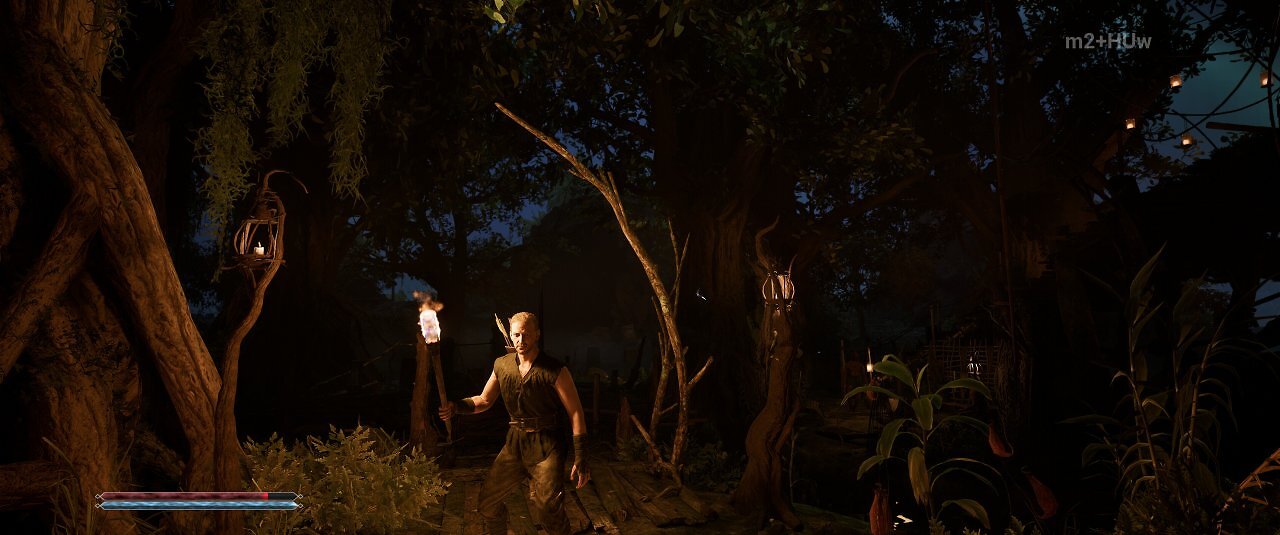
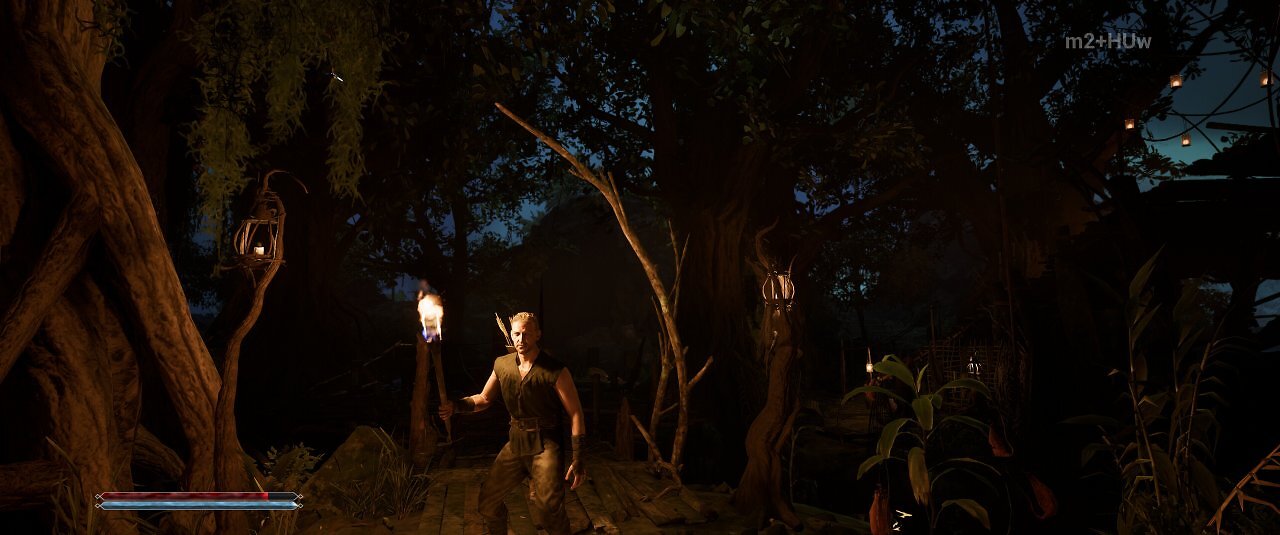
Whether it is ground fog drifting through forests and hollows, thick, damp haze in the swamp, or oppressive dark vapours in the Orc Lands, the volumetric effects in Gothic are striking. This is especially true on the highest Alkimia preset and the second-highest Gothic preset. The former in particular creates a strong sense of atmosphere thanks to its fine shadowing, especially high-resolution ray-marched fog banks and more complex Lumen GI. The experimental Alkimia preset is, however, also very demanding.
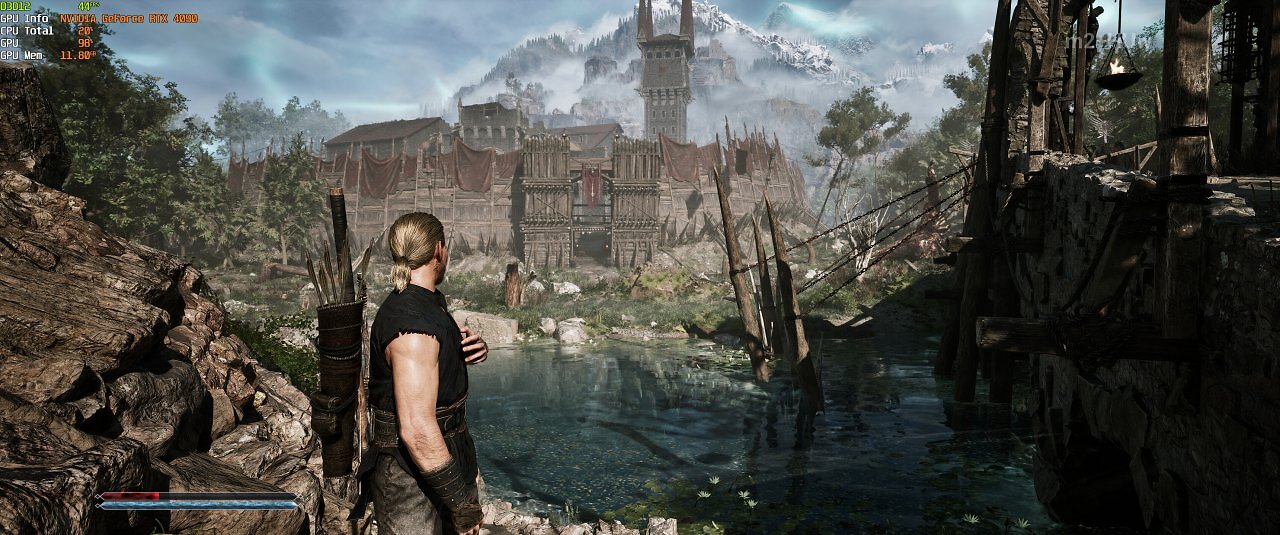
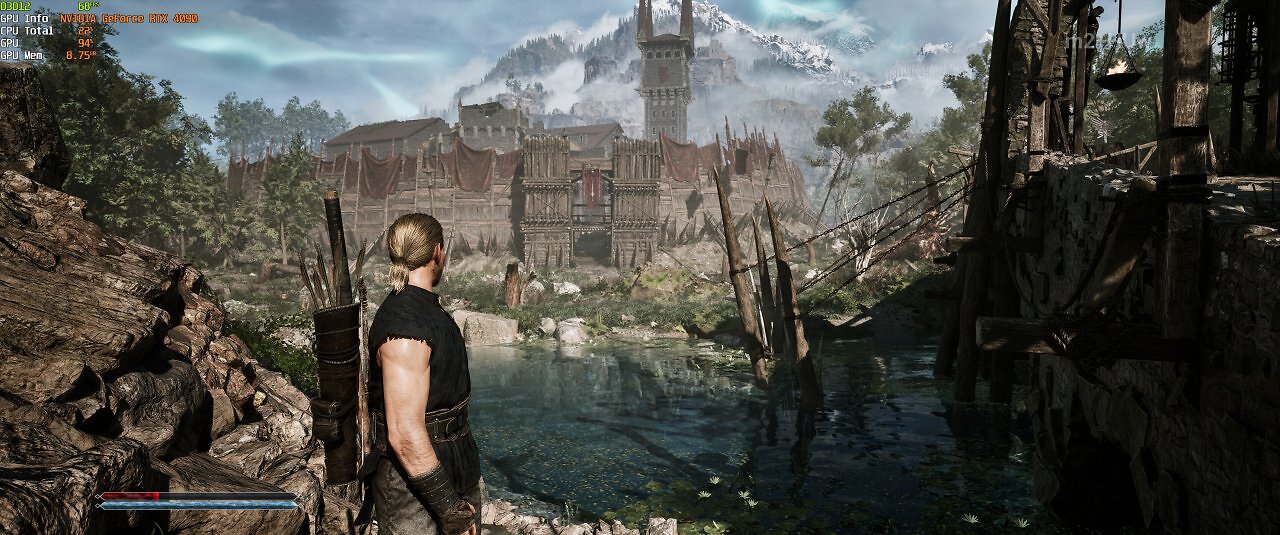
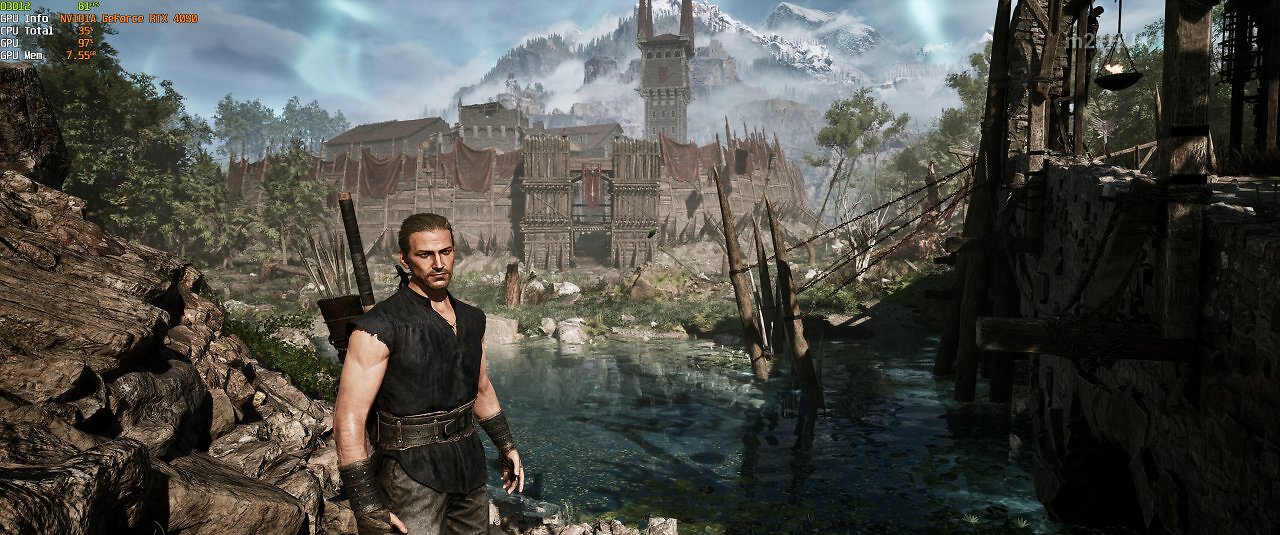
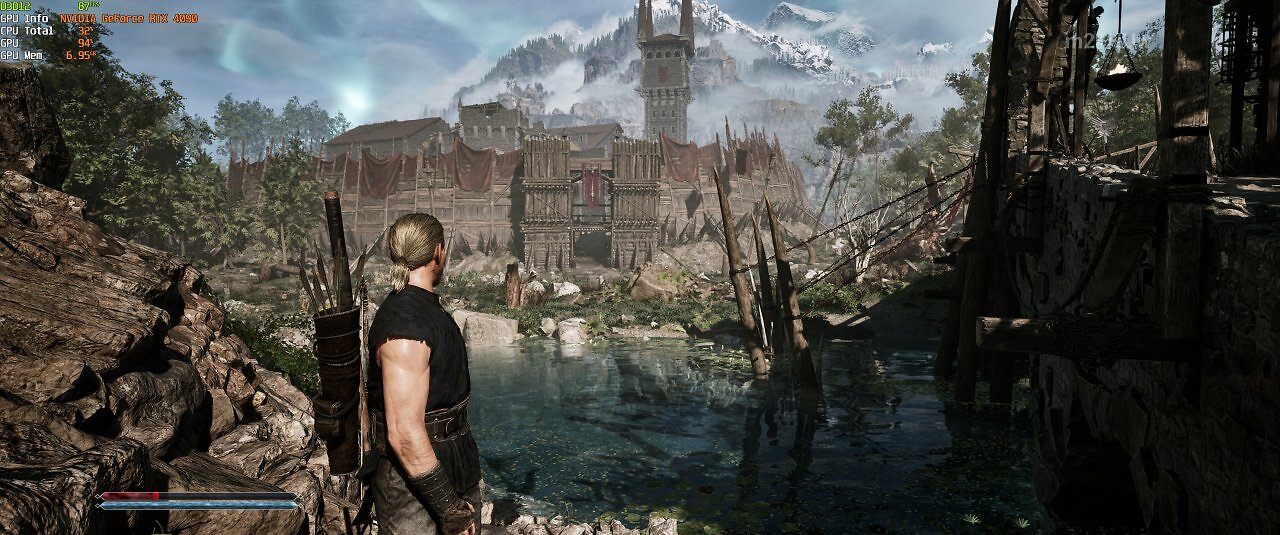
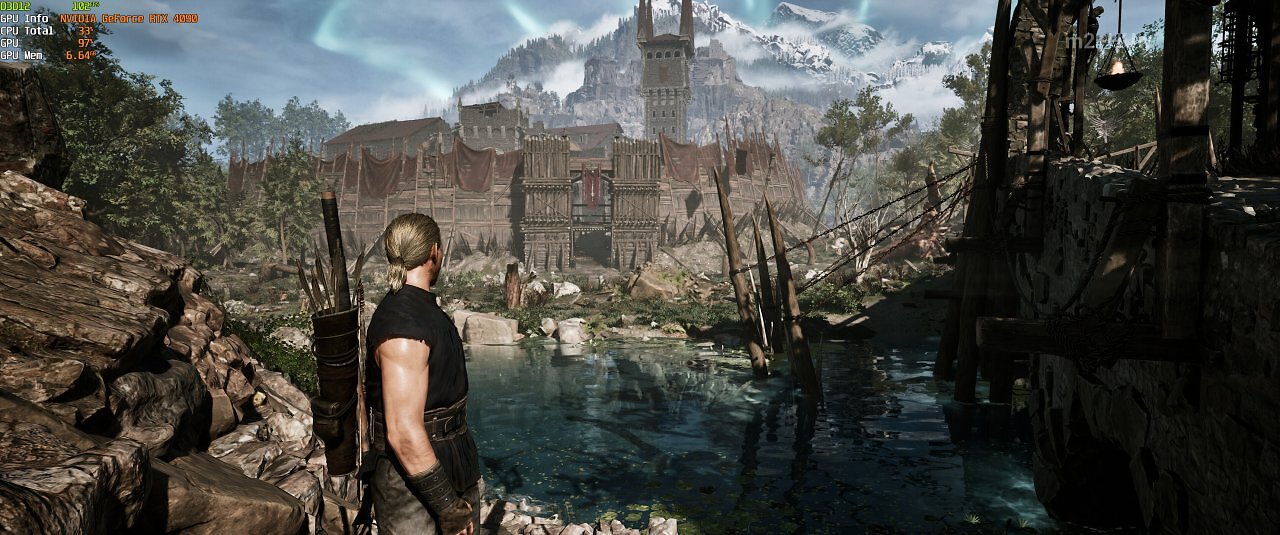
The fog also accentuates the Gothic Remake's already strong contrasts with its attractive god rays. In many situations, especially when looking towards the light, the desaturated, high-contrast look of the graphics and the tone mapping becomes apparent. Visually, Alkimia Interactive has done a truly impressive job with the Gothic Remake. Thanks in part to community feedback, it captures the charm of the original exceptionally well. The graphics are slightly stylised rather than being uncompromisingly geared towards "realism", and that suits the Gothic Remake extremely well — especially since the infamous "Unreal look" is only noticeable to a limited extent.
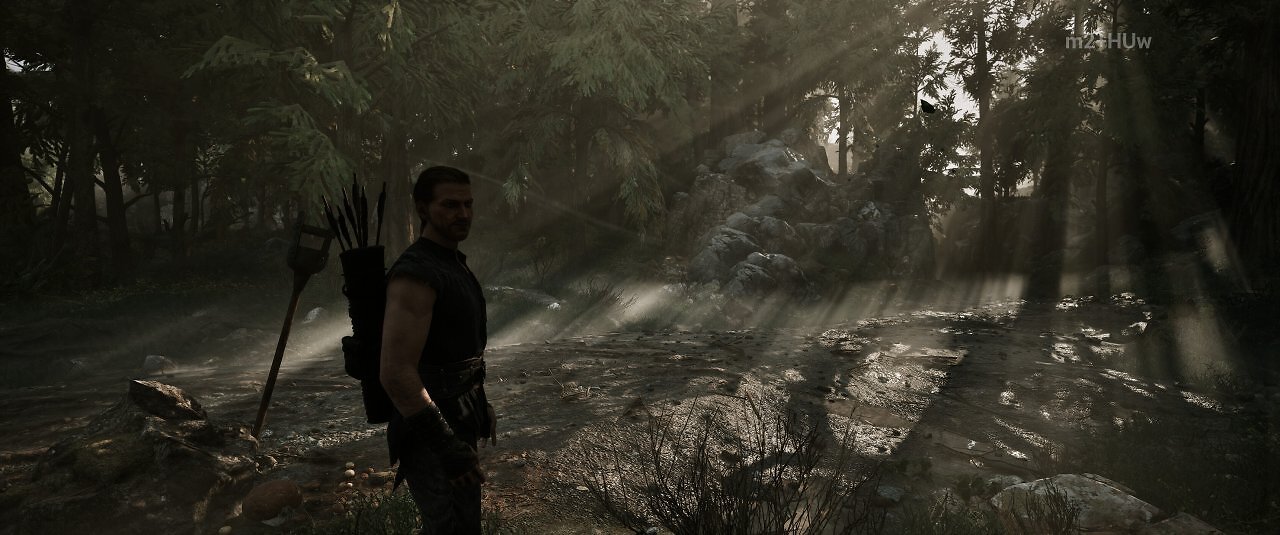
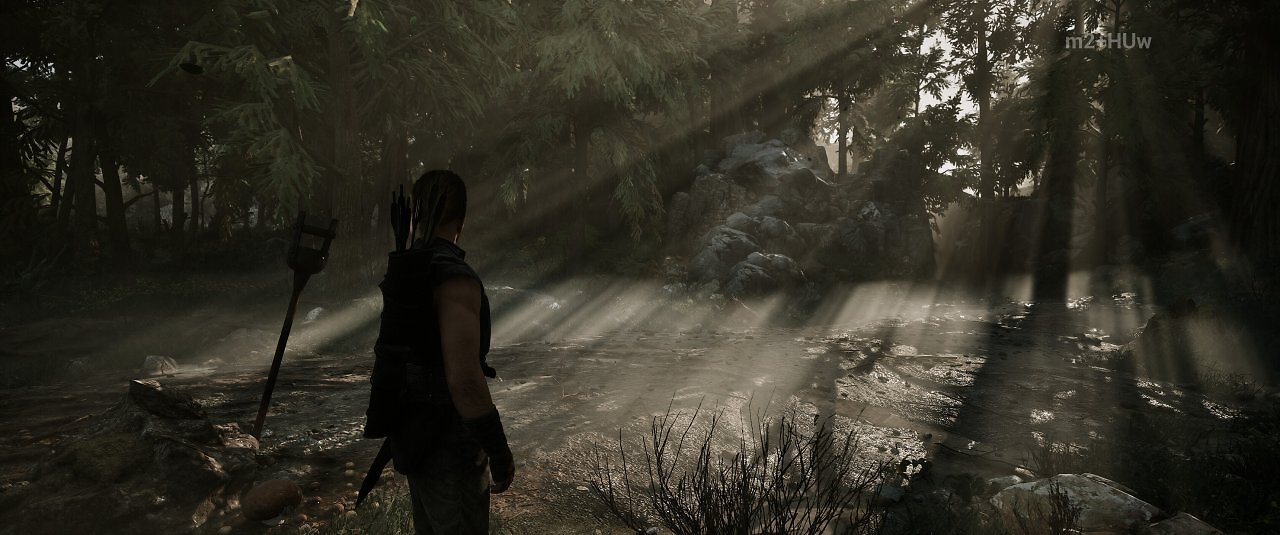
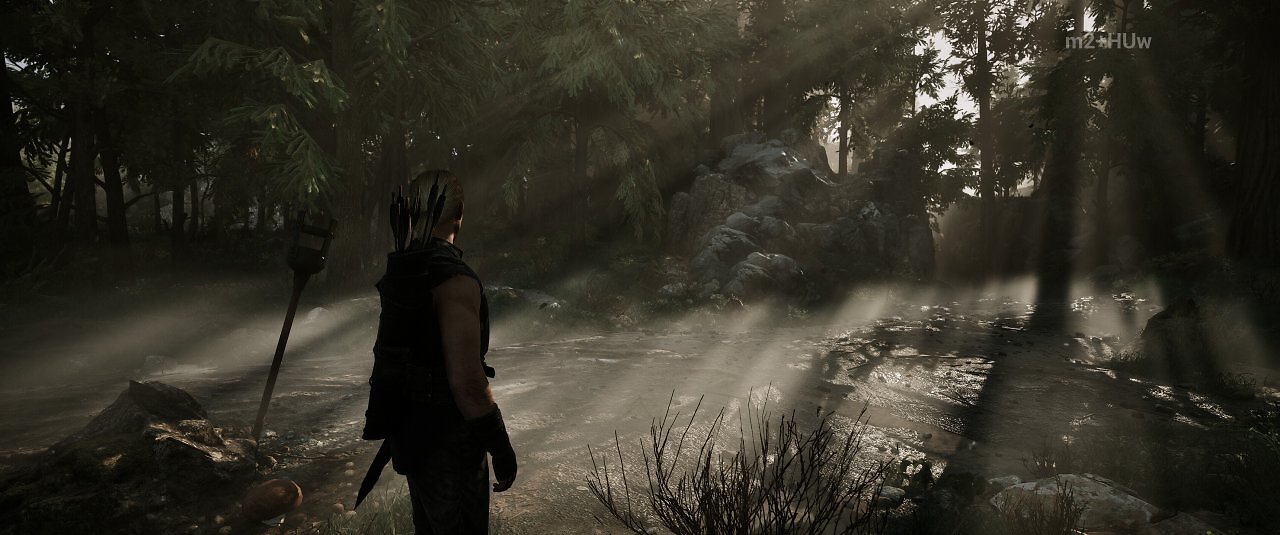
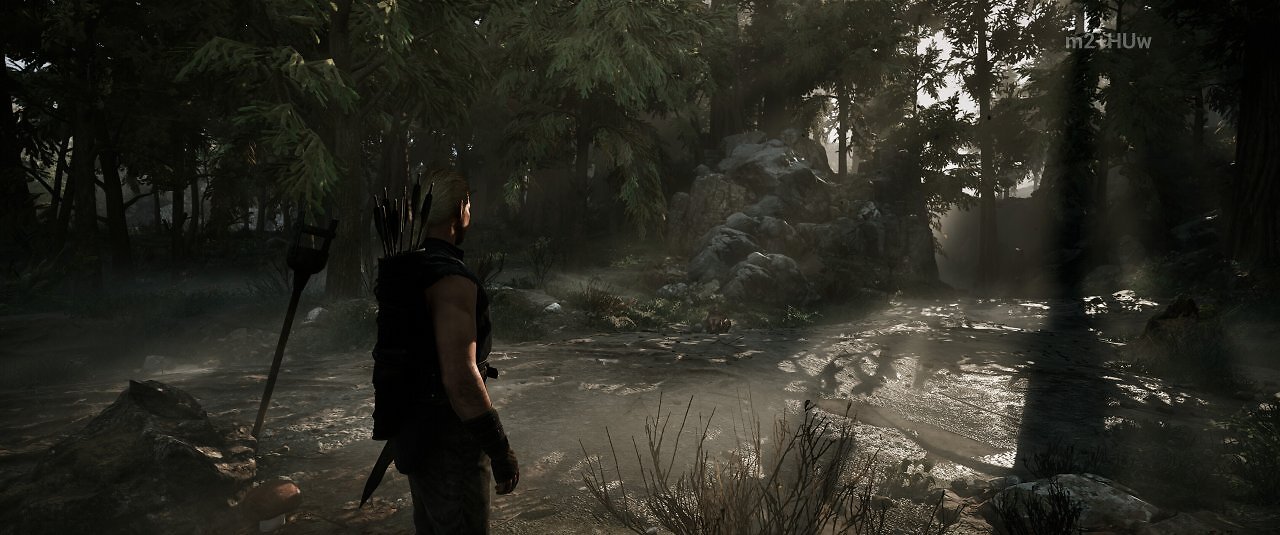
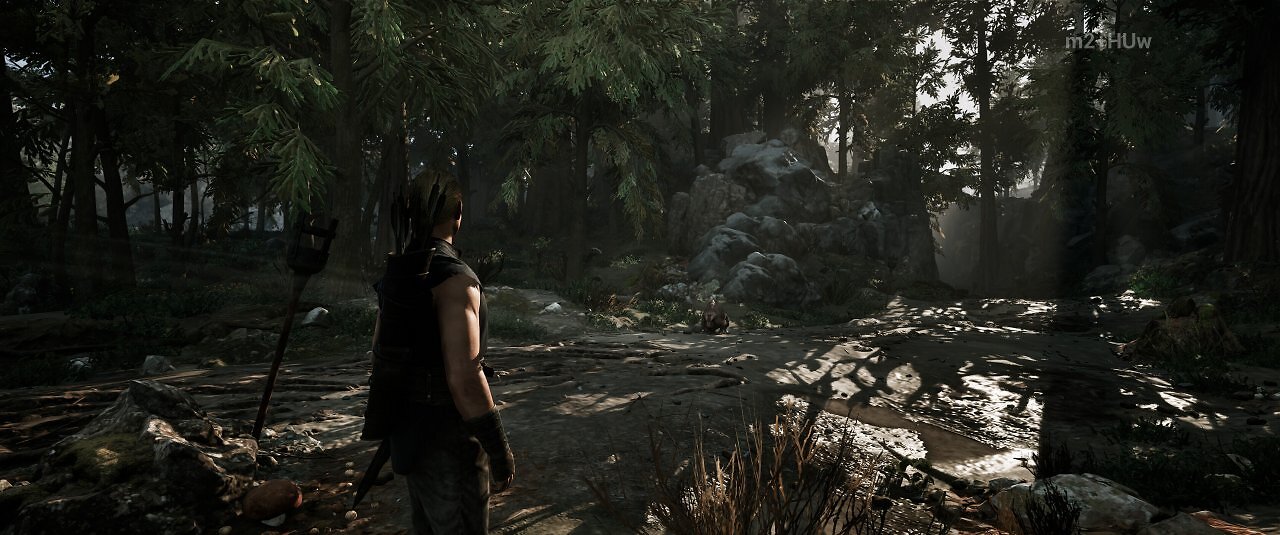
That said, the Lumen presentation is very obvious. The developers have clearly tuned it by hand; Lumen reflections, for example, are used at every detail level, even at the lowest settings. The Alkimia Overdose preset pushes the Lumen presentation, as well as various other effects, to the extreme. Compared with the Gothic detail preset, which corresponds to Very High, it uses technically more advanced reflections, much finer shadow rendering, higher-resolution fog raymarching, more complex Lumen GI, and more elaborate interactions between light and volumetric effects, as well as more sophisticated shading and material rendering.
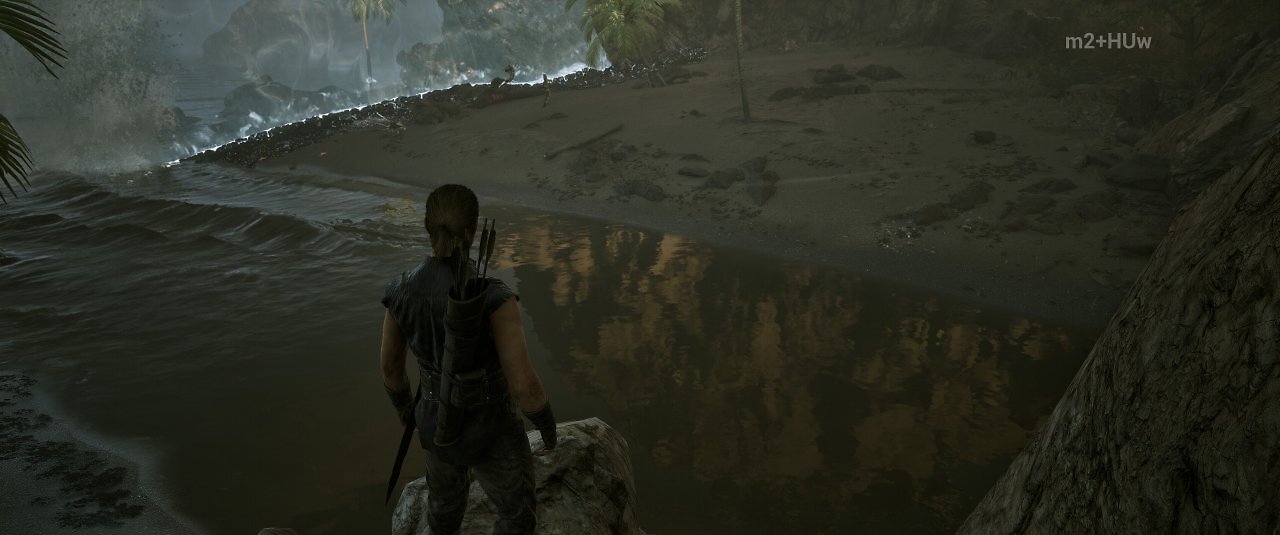
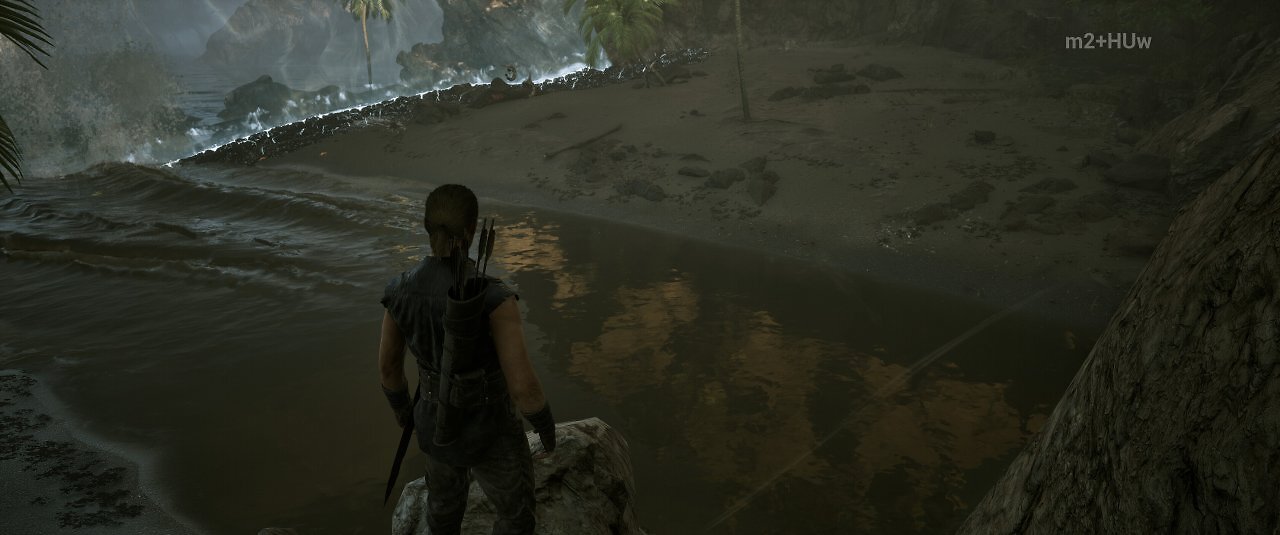
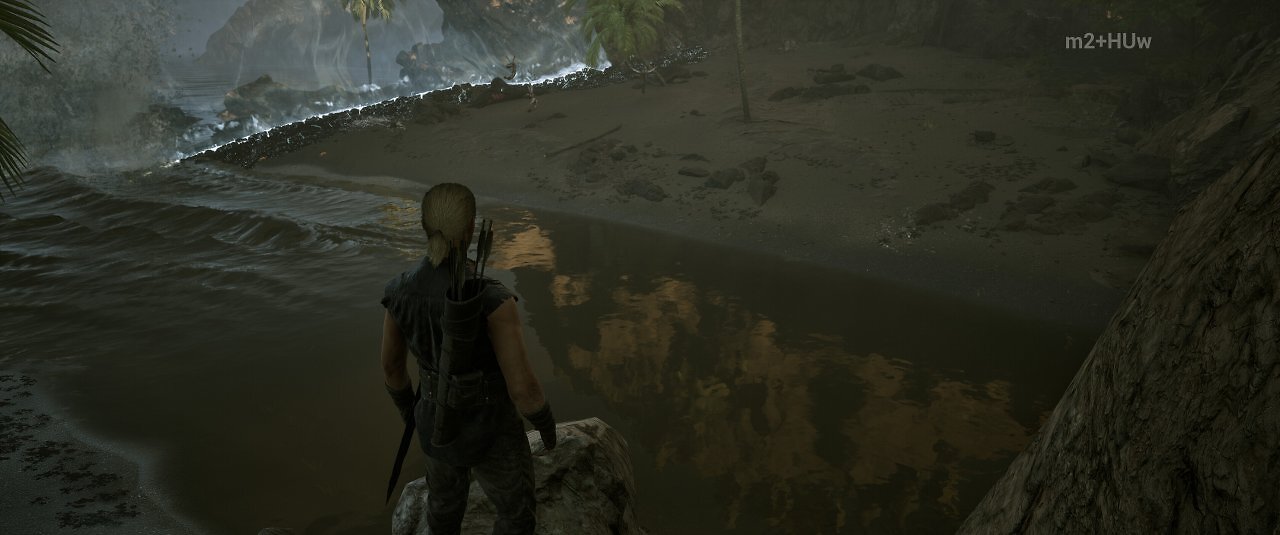
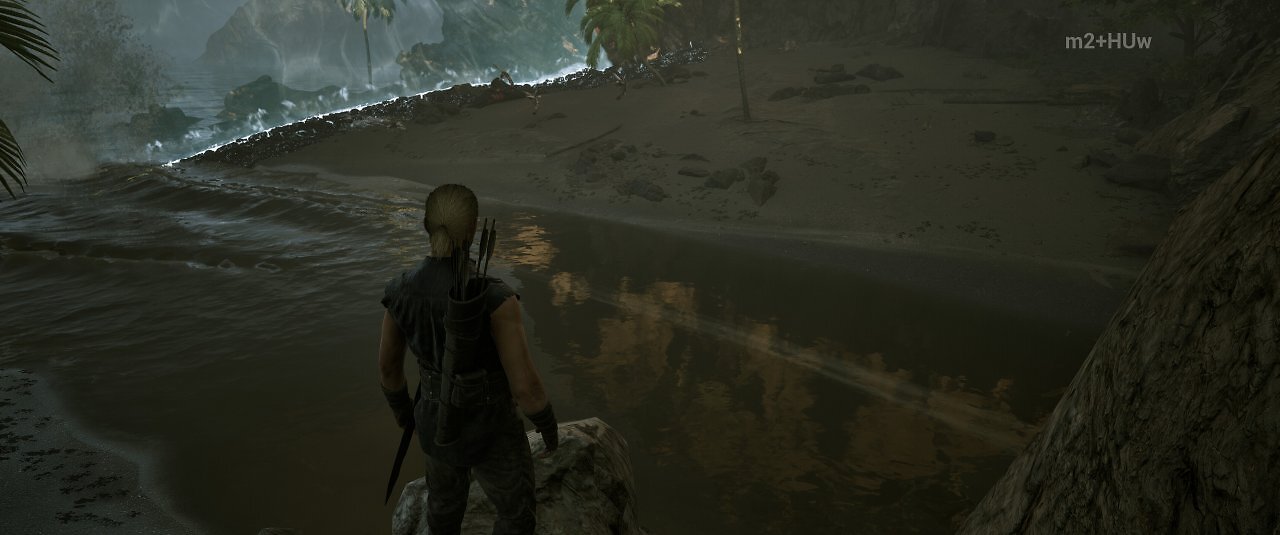
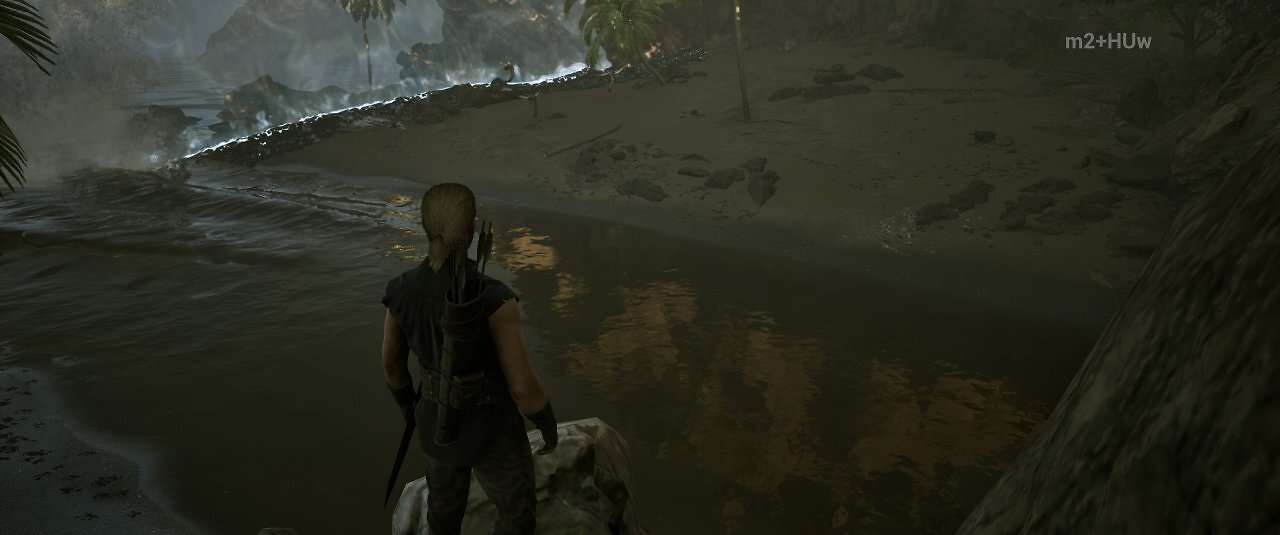
The Alkimia Overdose preset is very demanding in performance terms. Gothic also costs a considerable amount of performance compared with the High preset. Reducing details further, however, only delivers fairly modest performance gains, even though the visual quality suffers quite noticeably. In other words, the Gothic Remake only scales down to a limited extent. Dropping below the two highest presets brings only modest performance gains.
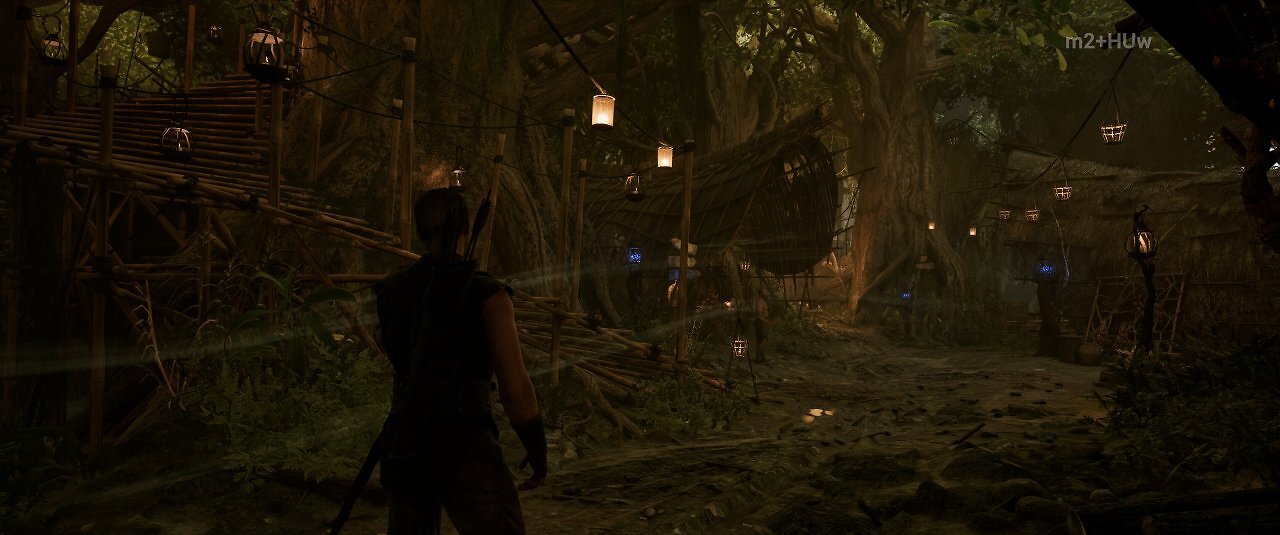
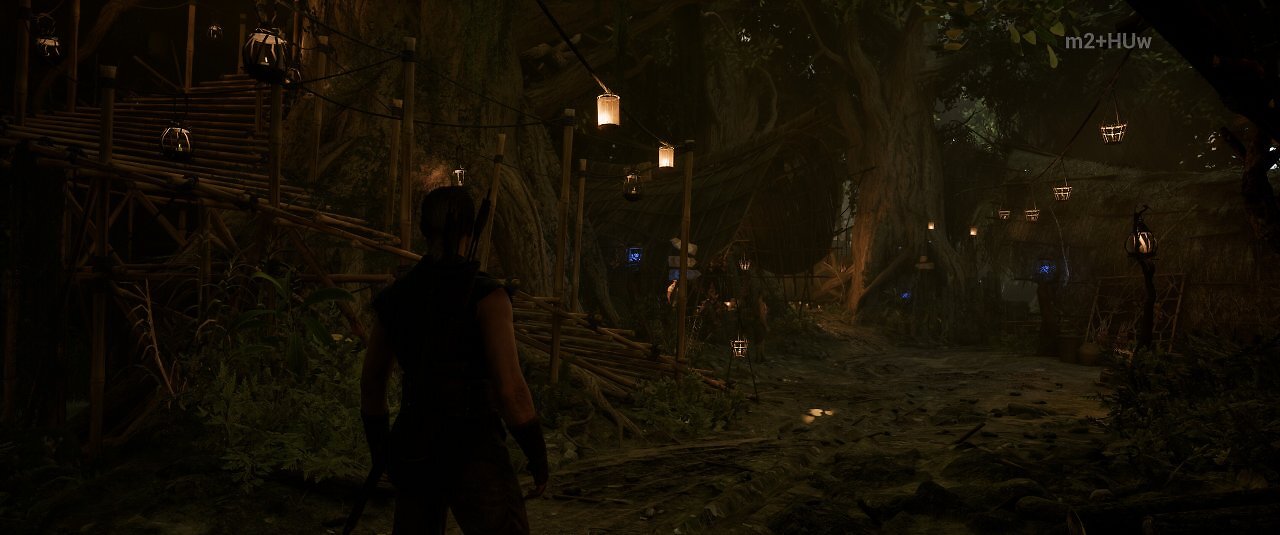
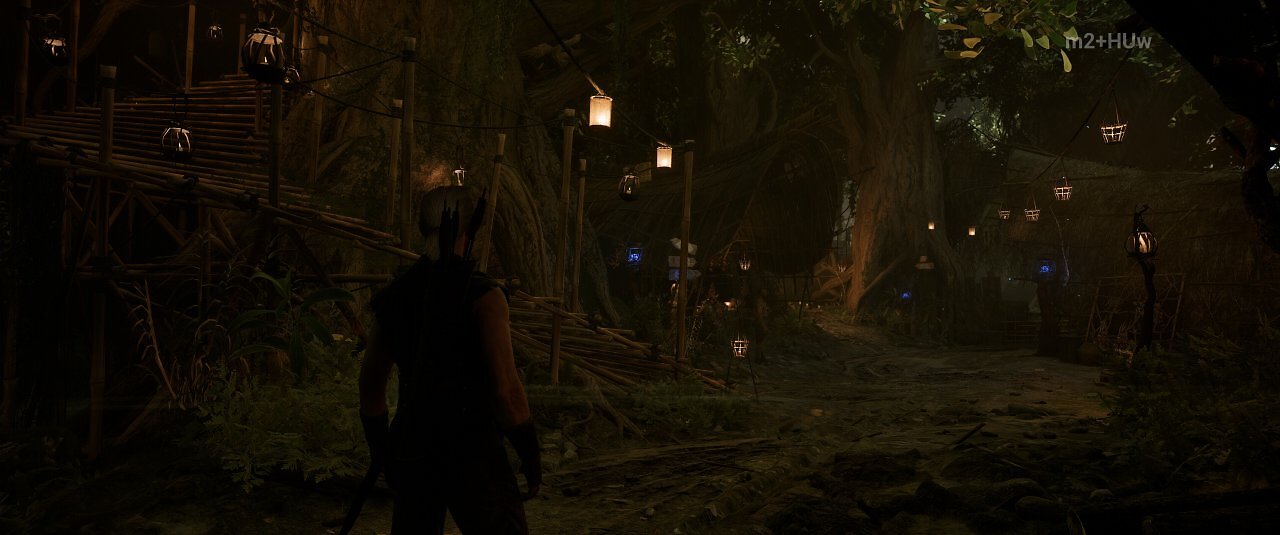
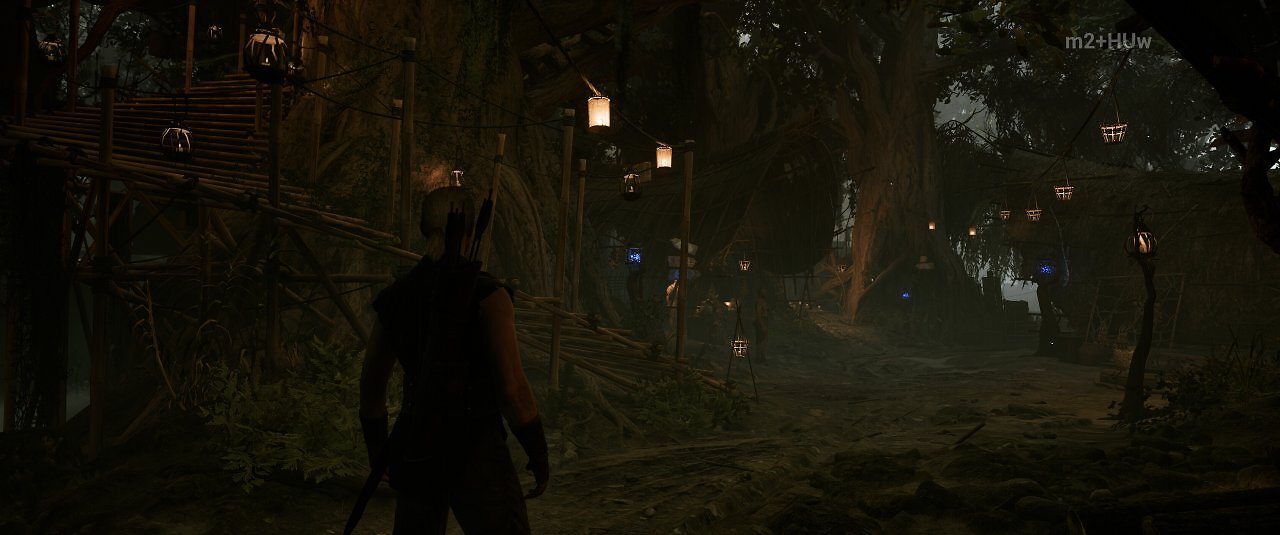
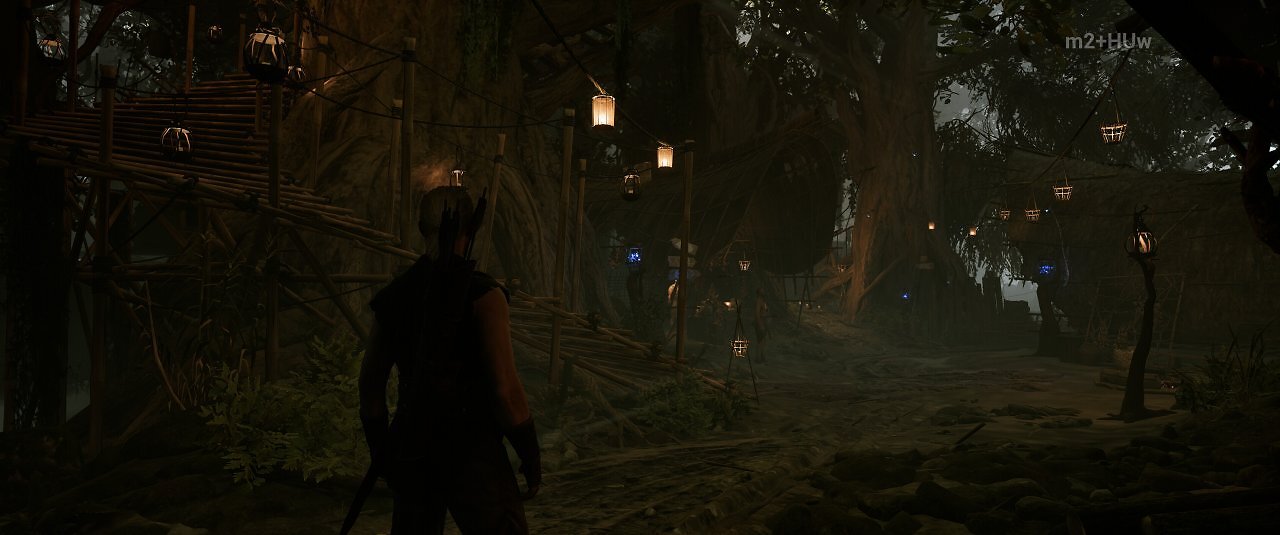
Among the most demanding options are shadows, especially in scenes with volumetric fog, followed by effects and overall lighting, including Lumen GI. At the highest detail settings, shadows, lighting and Lumen GI all interact in complex ways with the volumetric haze. From Medium details onward, many of these more demanding calculations are disabled.
The remaining options provide only relatively small gains, and that also includes Lumen reflections. As mentioned, however, these remain active all the way down to the Low detail setting; only the resolution of the Lumen reflections is reduced. The table above provides a rough overview of the performance cost. On the next page, we move on to the graphics card benchmarks.