
Gothic 1 Remake with Minimum System Requirements: Hands-On Test with the RX 6700 XT
Now that we've taken a close look at the Gothic 1 remake with the GeForce RTX 2070, it's the RX 6700 XT's turn.
In this Article
Since the Radeon isn't held back by its 12 GB of VRAM—unlike the 8 GB GeForce when using the Alkimia settings—it's hardly surprising that the Radeon performs significantly better than the GeForce at the highest presets. With an average of 21.1 FPS, the Radeon RX 6700 XT with Alkimia Overdose is a whopping 60 percent faster than the GeForce RTX 2070—far more than the advantage of the RX 6700 XT's greater raw performance over the RTX 2070 should account for. However: With Alkimia Overdose, the RTX 2070's memory becomes the limiting factor.
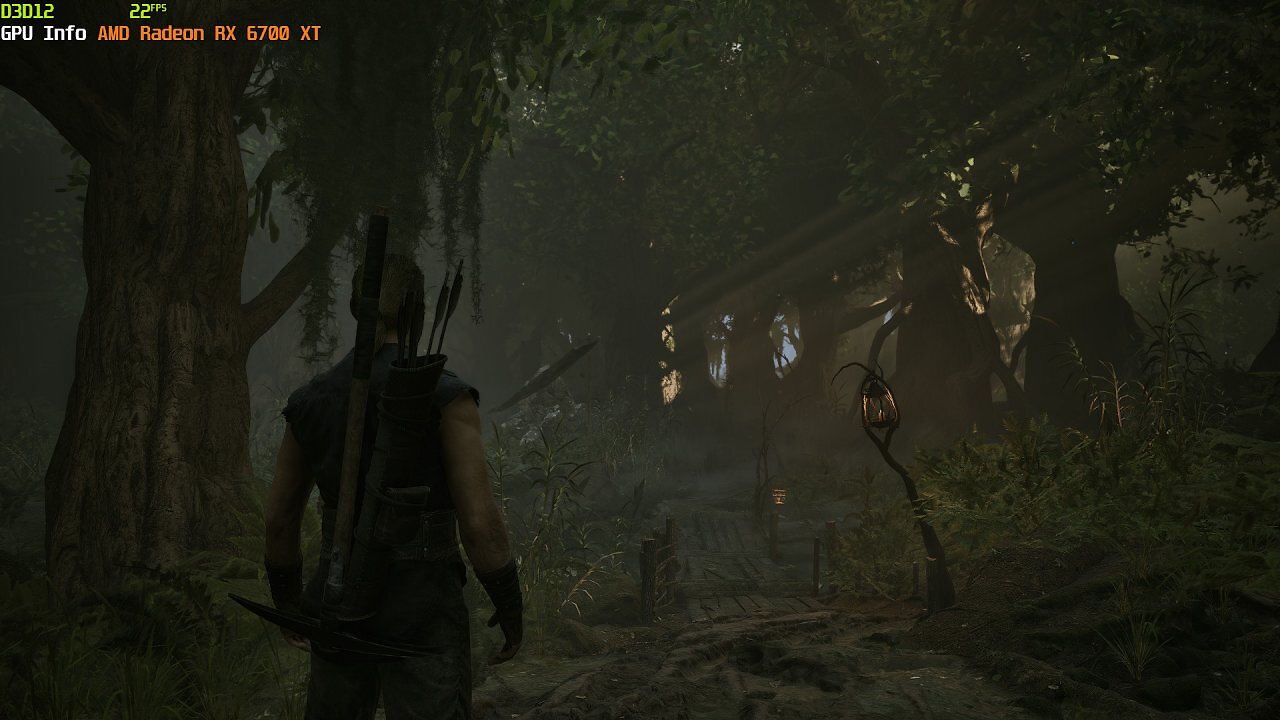
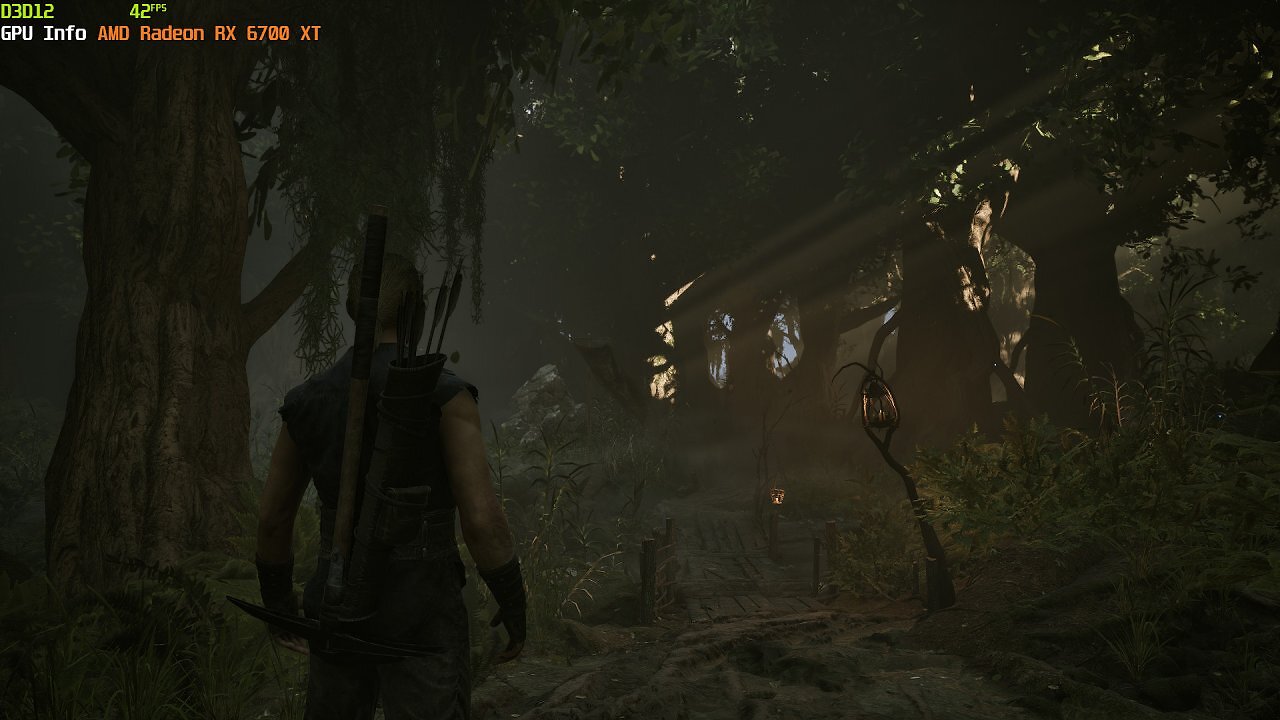
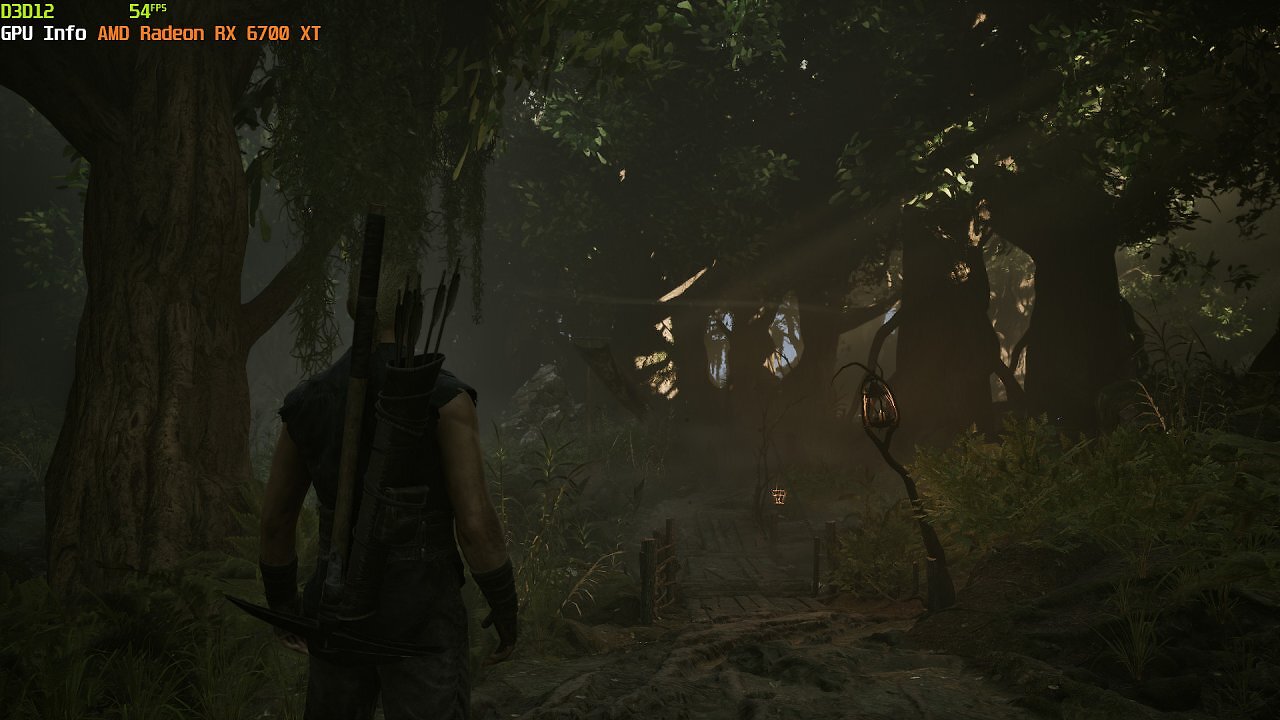
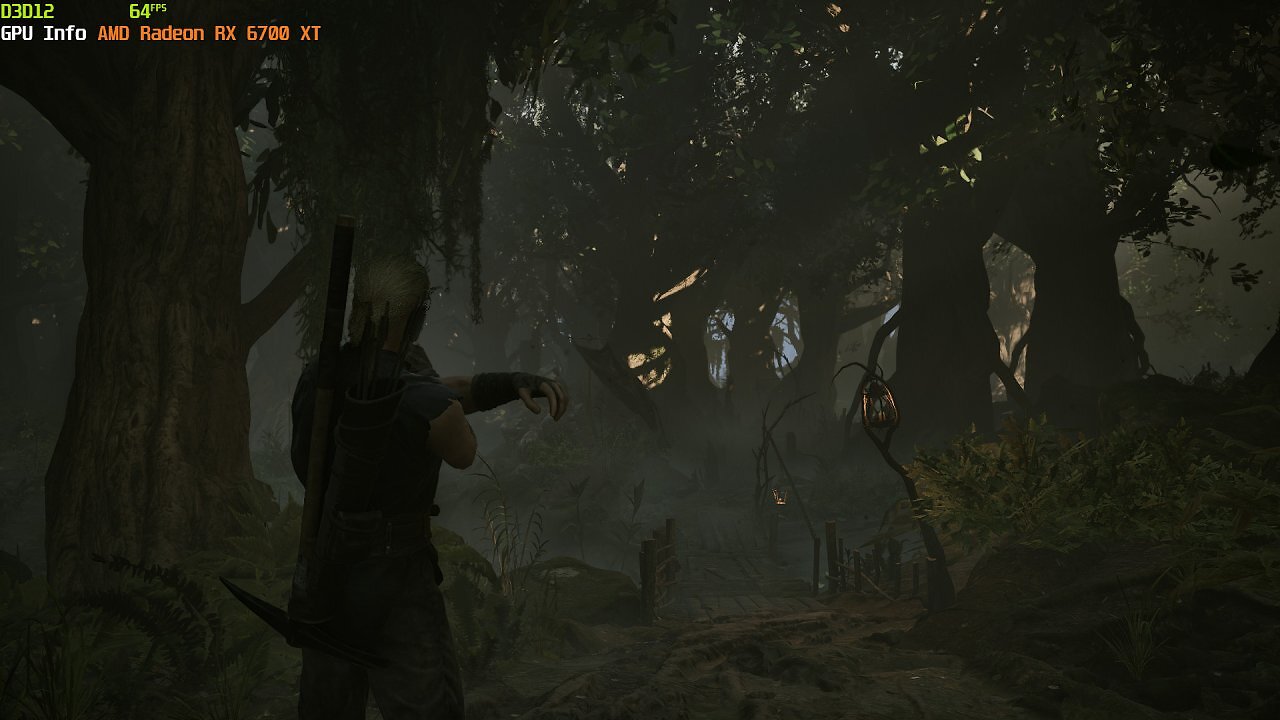
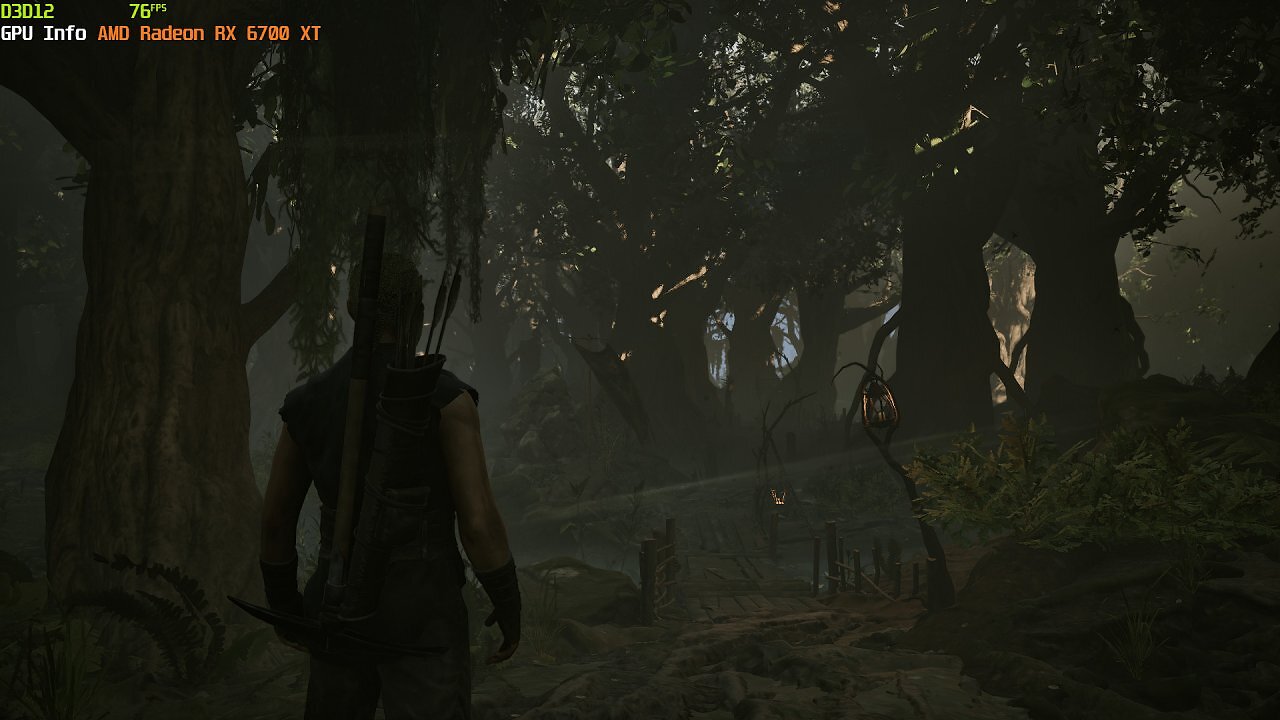
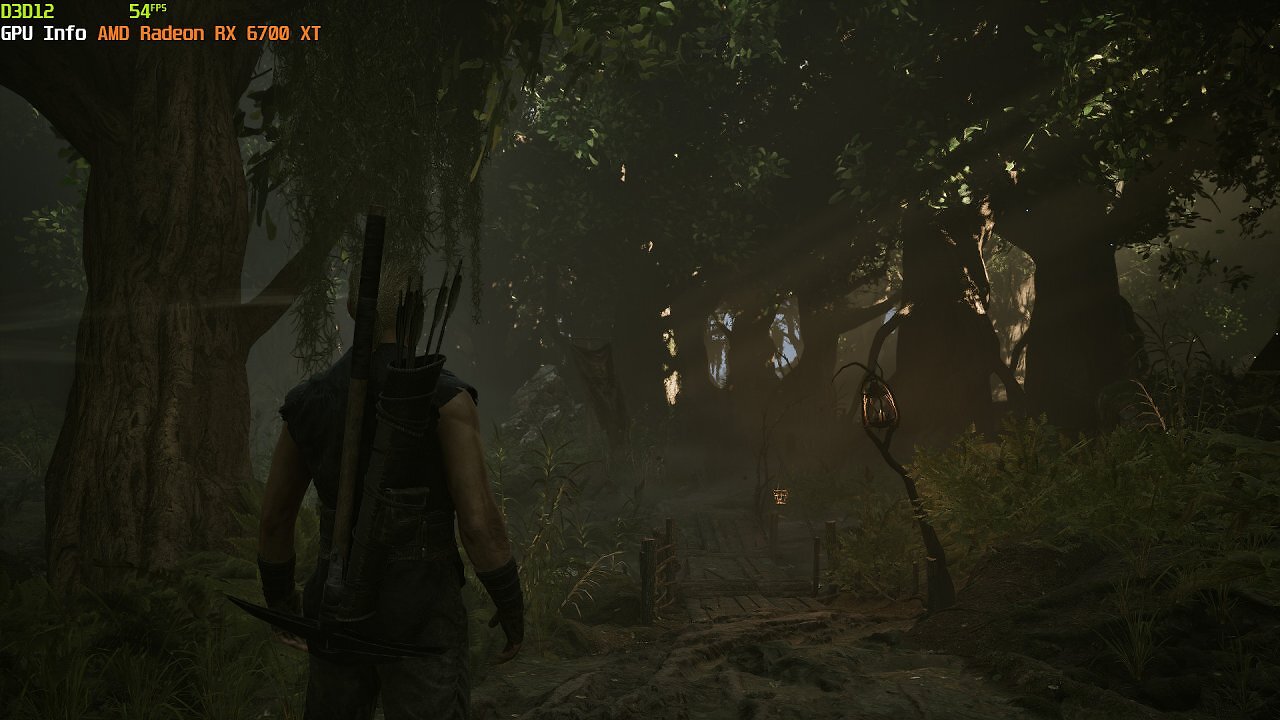
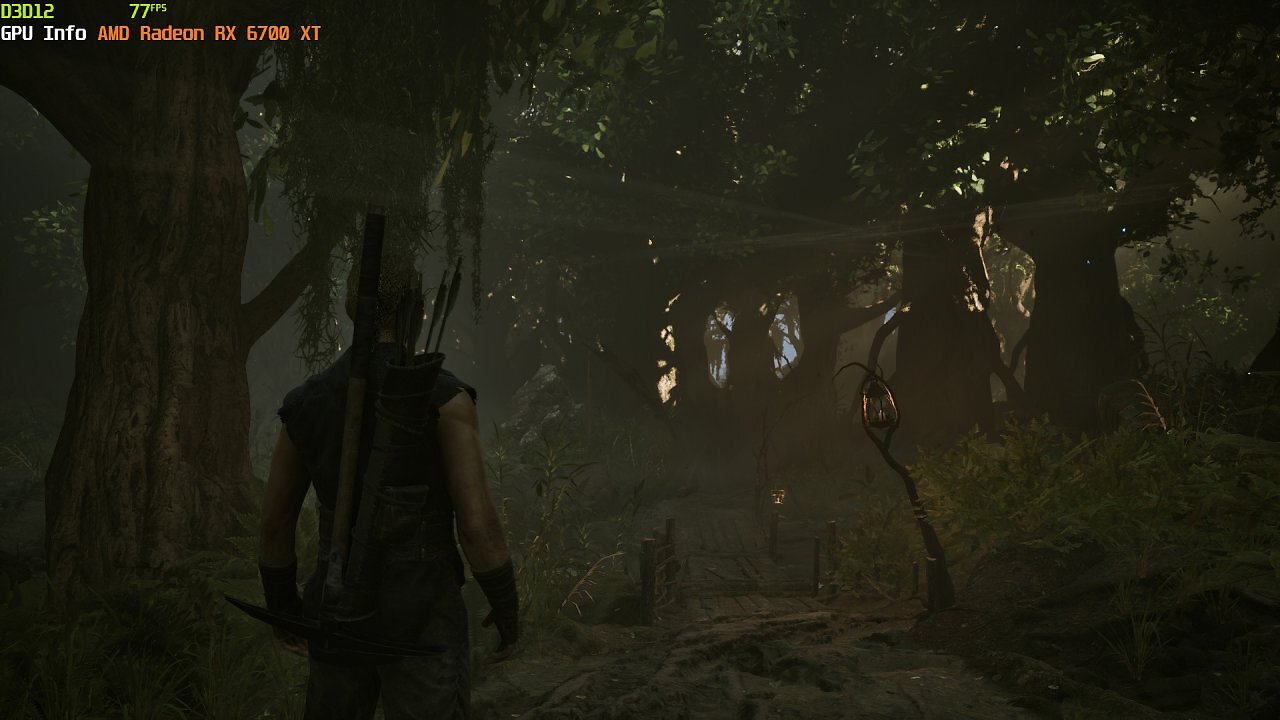
The surprises begin as soon as we reduce the detail settings to a level where the GeForce is no longer limited by its VRAM. Starting with Gothic, and especially at high detail settings, the wheat is separated from the chaff: The Radeon shows the GeForce how it should scale and what performance gains should actually be expected. Or, to put it another way: The Radeon continues to gain ground at the same rate, while the GeForce falls behind. Even though the GeForce is no longer held back by its 8 GB of memory at lower presets, it can no longer catch up to the Radeon's massive lead in Alkimia Overdose. Although the RTX 2070 should literally explode in performance at high detail settings at the latest and make up for much of the performance gap. Instead, however, GPU utilization drops on the GeForce. Not so with the Radeon.Es ist daher mit der Radeon ein Leichtes, das Gothic 1 Remake zu flüssigen Bildraten zu bewegen. Im Grunde müssten wir lediglich das Preset "Hoch" auswählen, um selbst in unserer sehr anspruchsvollen Testszene im Sumpf 60 Fps zu erzielen - mit Quality-Upsampling könnten wir gar "Gothic" fahren. Das ist mit der Geforce selbst bei extrem aggressiven Upsampling-Stufen kaum möglich. Doch was geschieht nun, wenn wir die gleichen Settings anwenden, die wir auch mit der RTX 2070 angewandt haben? Stellen wir die Ergebnisse einmal gegenüber.
Additional benchmark scenes, Radeon RX 6700 XT
The differences are clear—much clearer than the raw performance gap between the RTX 2070 and the RX 6700 XT would suggest, and than the different memory configurations of the two graphics cards would explain. Something is holding the GeForce back in particular: as detail levels decrease, its performance doesn't improve as much as one would expect. This indicates a bottleneck of some sort. Since the Gothic 1 remake uses Nanite models very sparingly, opting instead for a slightly stylized "angular" look that more closely resembles the original and forgoing Nanite Foliage, the notorious Nanite overdraw of Unreal Engine 5 does not seem to be the decisive factor. Furthermore, this issue tends to occur at lower detail settings.
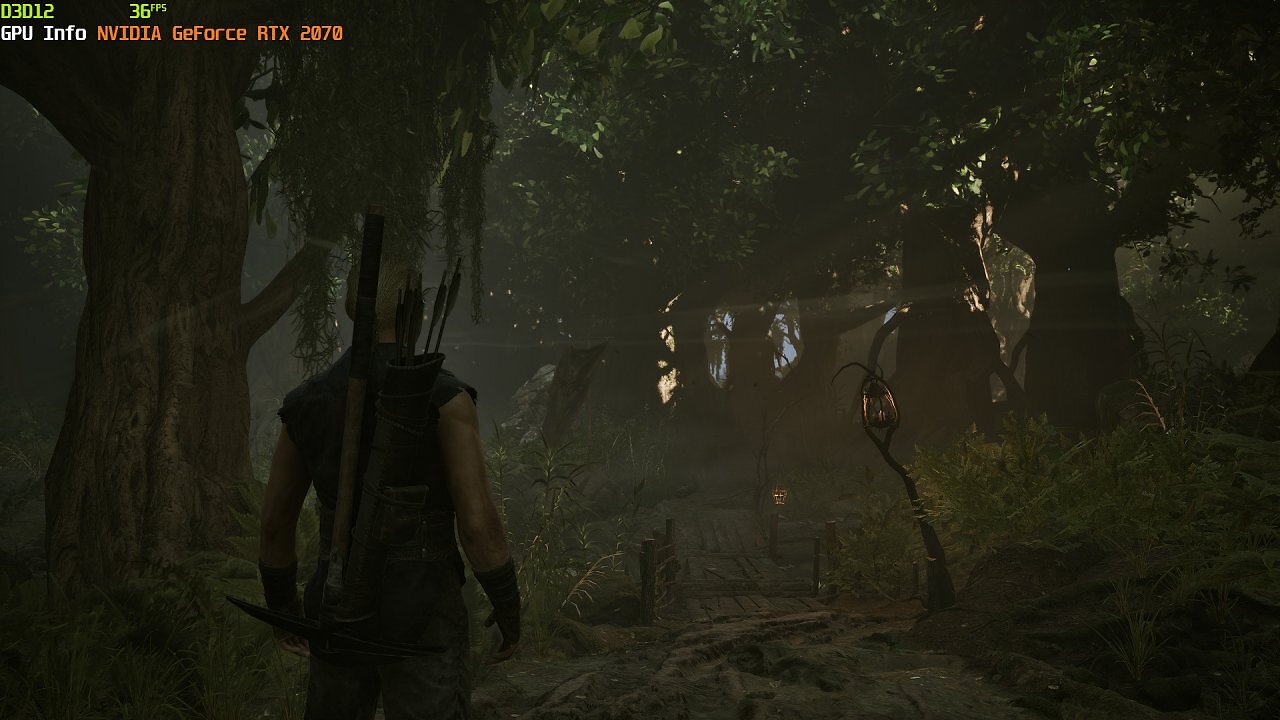
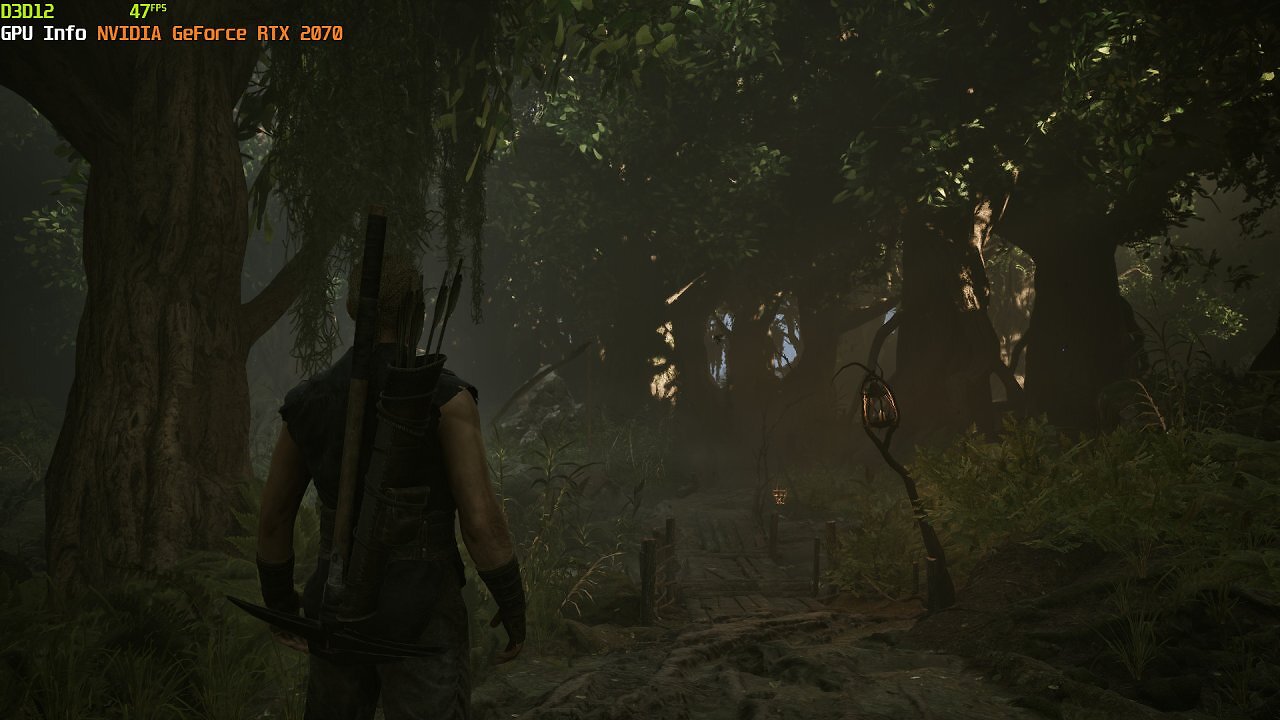
The Radeon is also slightly affected; at high detail settings, it too scales only moderately and performs roughly on par with the GeForce. However, the RX 6700 XT can unlock more performance with upscaling—it isn't simply underutilized—and it offers a very significant performance advantage over the RTX 2070 when switching from "Alkimia" to "Gothic" and "High." And this is despite the fact that the RTX 2070 is no longer held back by its VRAM at the last two detail levels. The GeForce should actually be able to make up significant ground with "Gothic" and "High," but it remains far behind the Radeon.
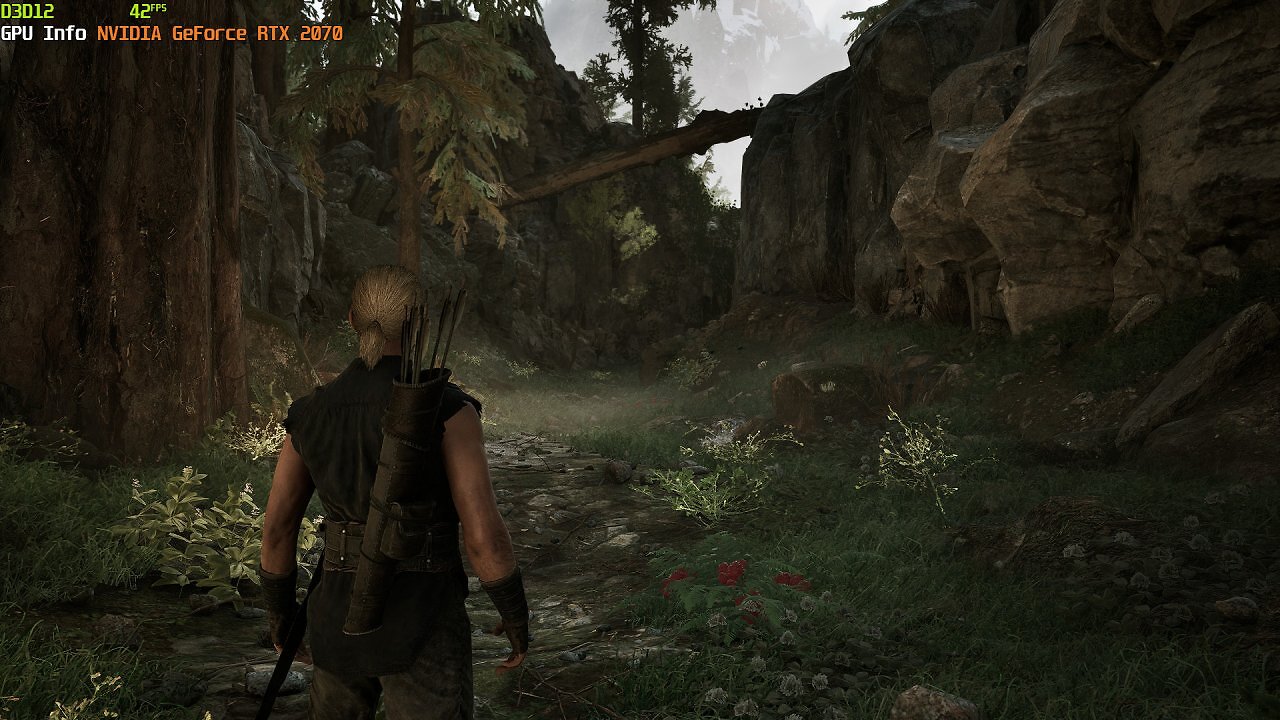
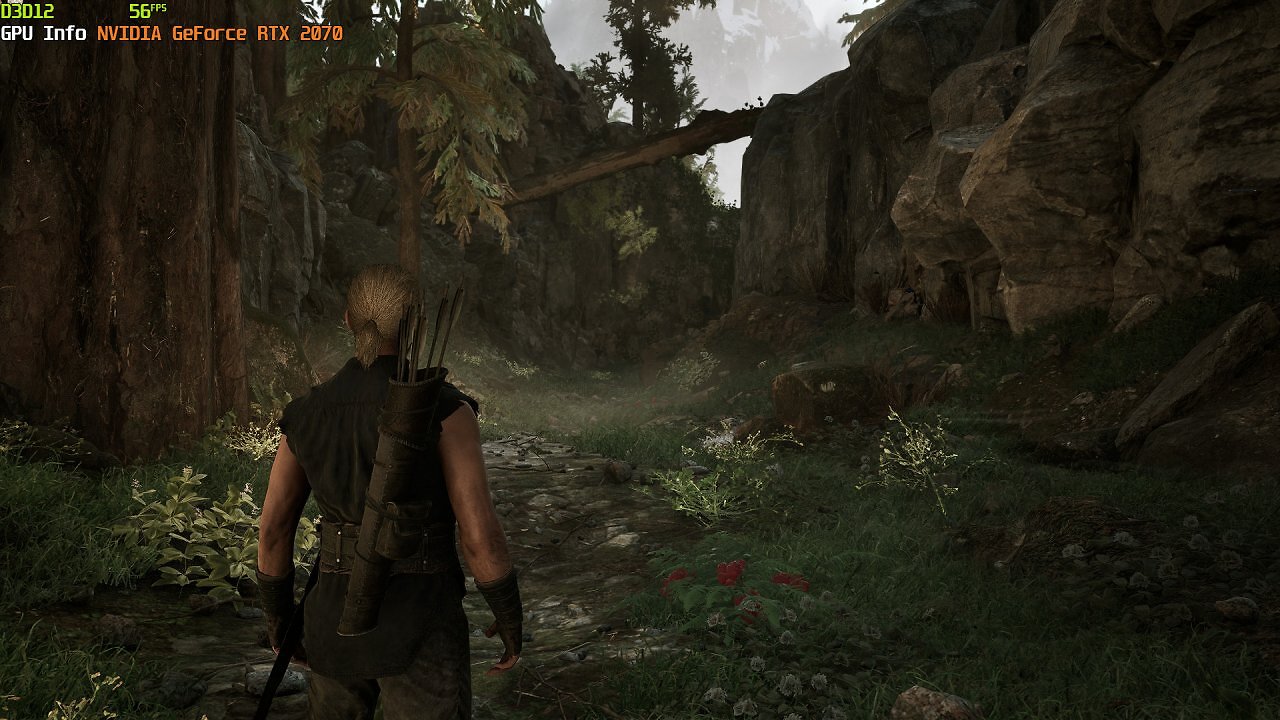
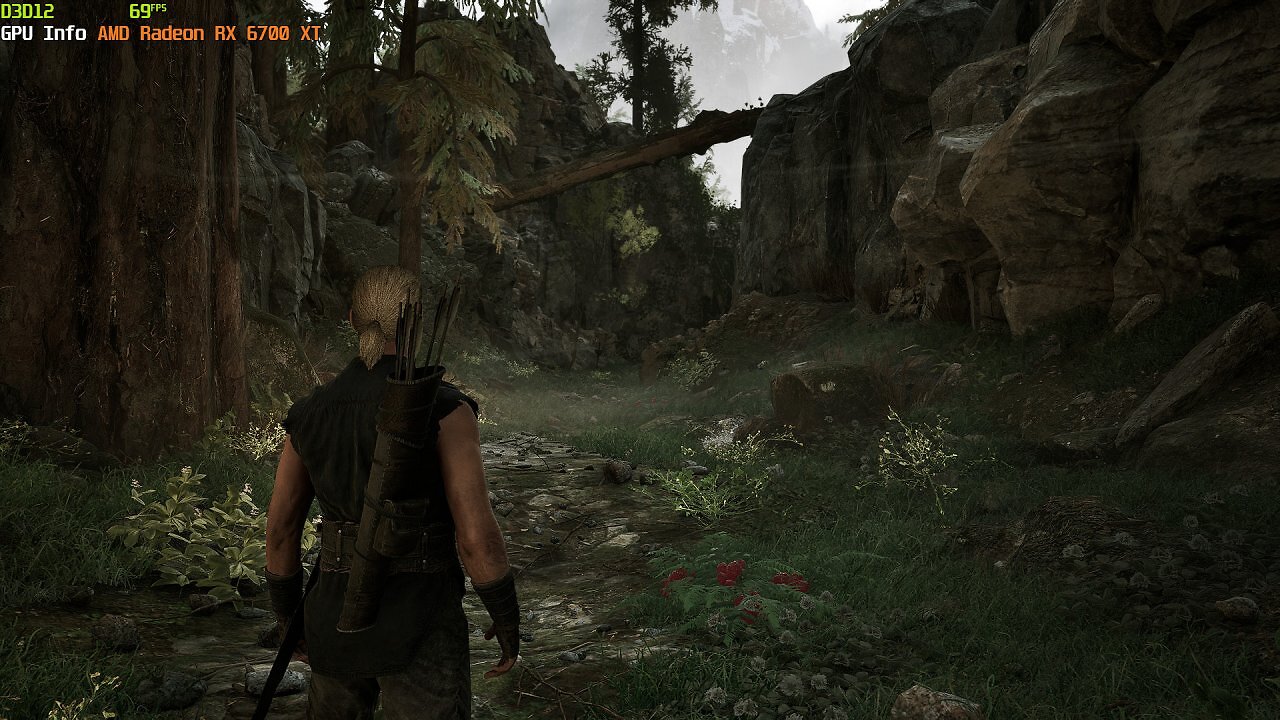
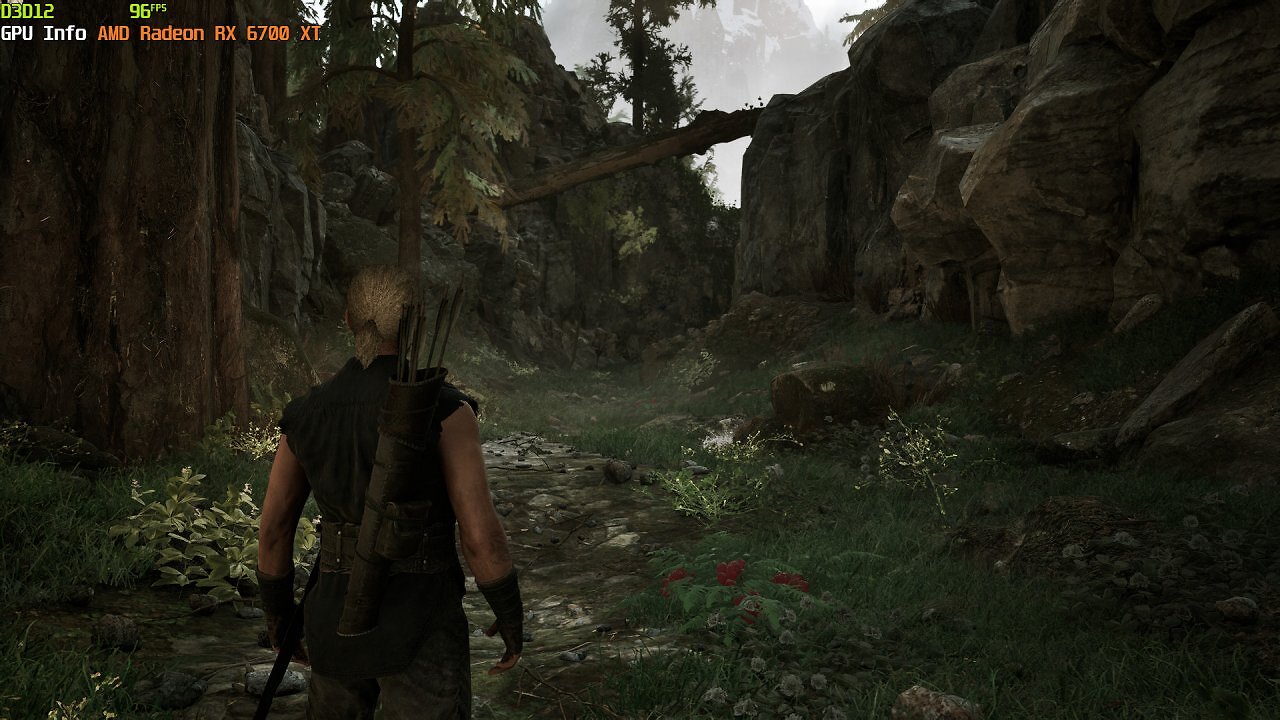
Why? Presumably, the developers—and likely the Nvidia driver as well—need to resolve an internal bottleneck. This isn't possible by reducing detail or using upscaling. Still, you can play the game just fine with the GeForce—albeit less smoothly and/or with lower quality than is possible with the Radeon. In any case: Both graphics cards are actually too powerful for the minimum (!) system requirements. We'd bet that the Gothic 1 remake would also run on an RX 6600/8G or an RTX 2060, even though both come with another VRAM penalty—8 and 6 GB of graphics memory, respectively.