
007 First Light in the Tech Test: Graphics and Technology
We take a closer look at the technical innovations and additions in the Glacier Engine used for the game, and how they are used to create its appealing visuals.
Table of Content
For the first adventure of the still young James Bond, the developers at IO Interactive have thoroughly revised their in-house Glacier Engine. The main area of development was lighting. For global illumination, the indirect lighting that simulates how light bounces off surfaces, IO Interactive now uses a real-time ray-tracing approach. However, this is not conventional hardware ray tracing but a software-based ray-tracing solution developed specifically by IO Interactive. It is nevertheless a fully dynamic GI system and does not rely on precomputed lighting.
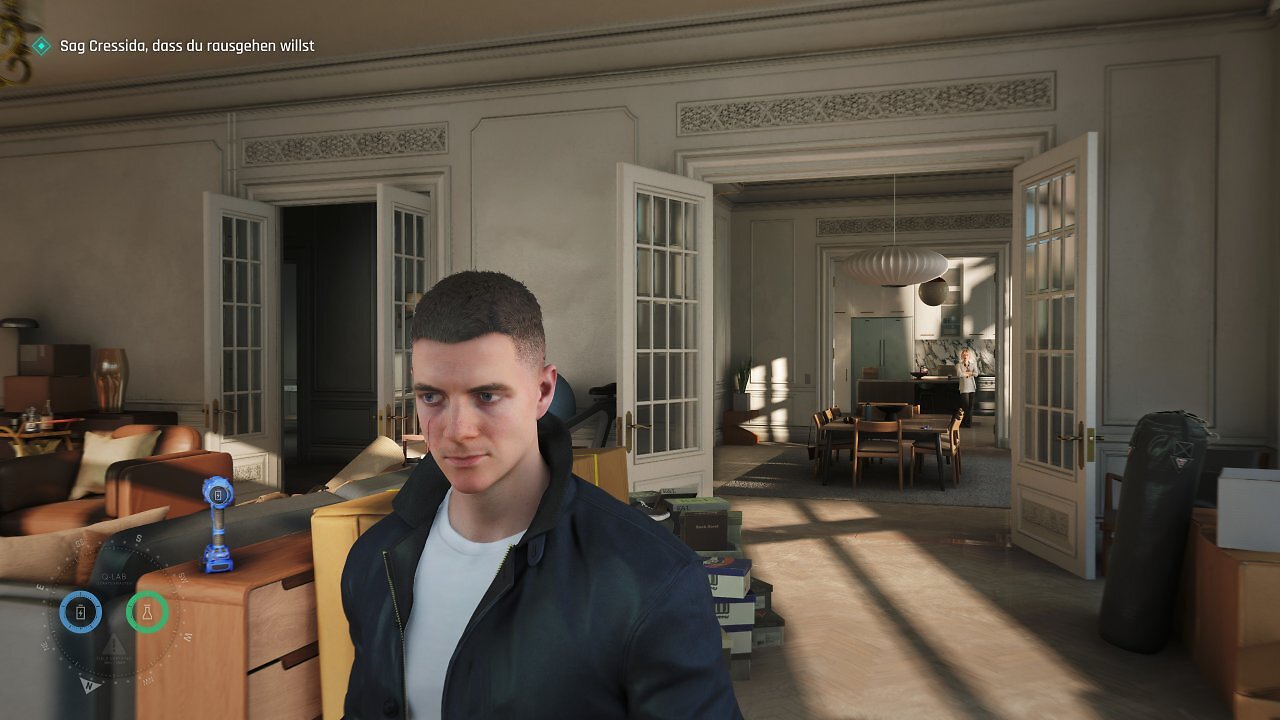
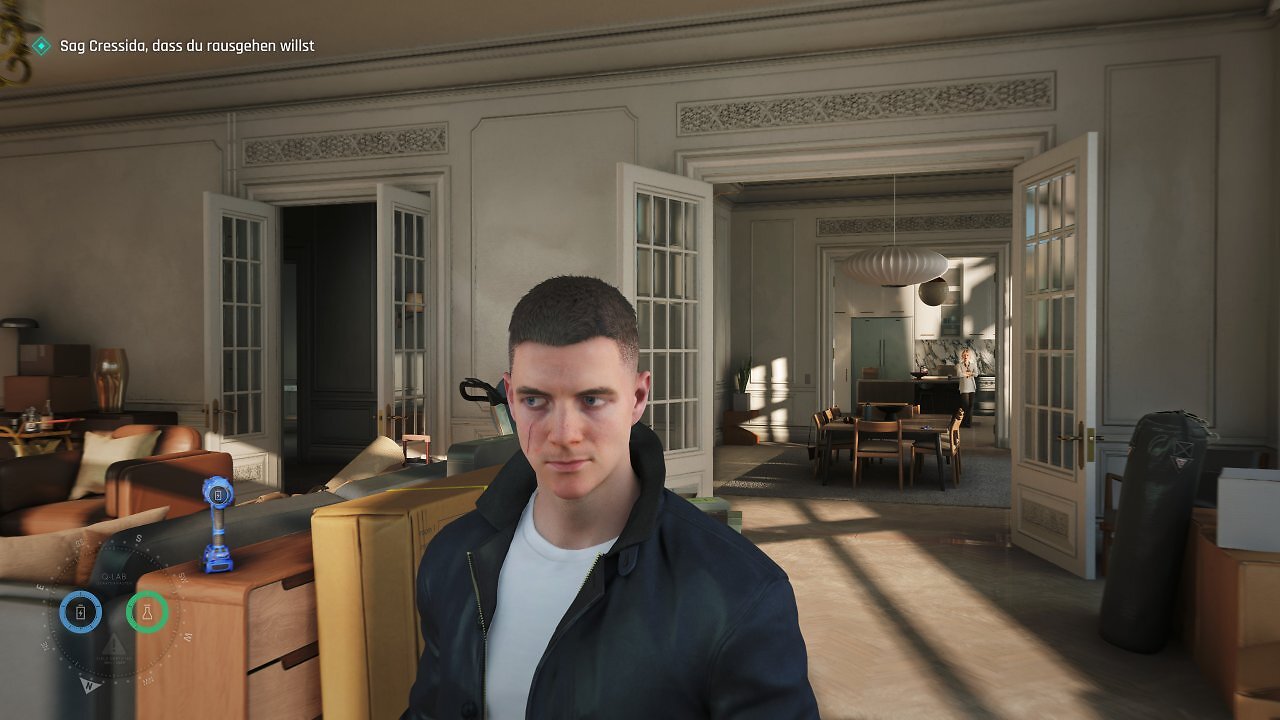
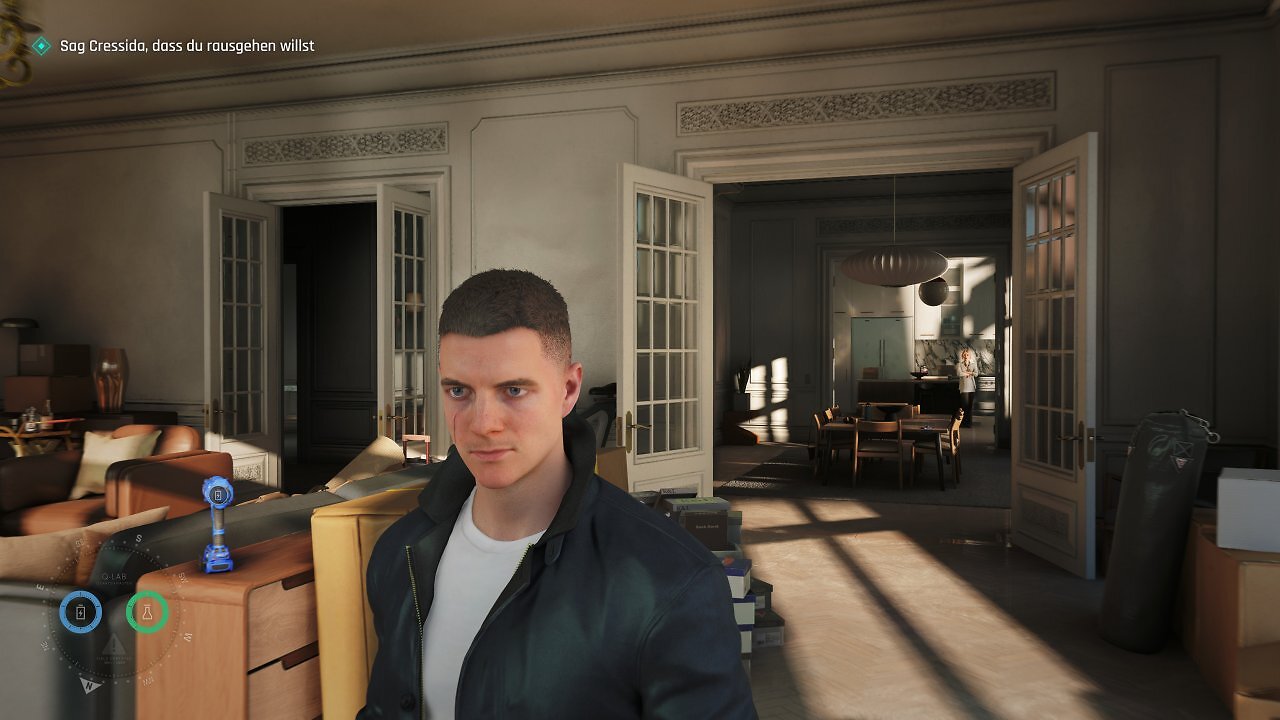
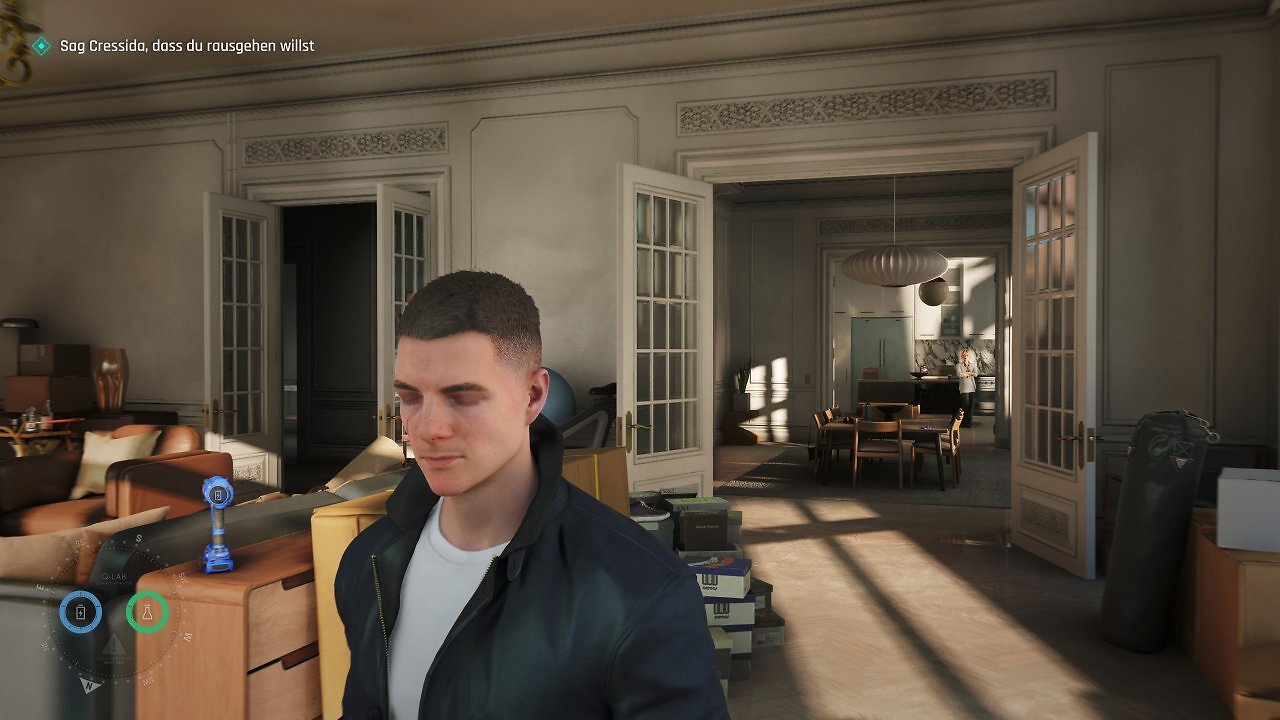
Several different techniques are used here. The basis is a scene reduced in complexity using distance fields. At this point, IO Interactive's software ray tracing approach somewhat resembles Unreal Engine 5's Software Lumen, which also uses distance fields for simplification; however, the approaches are fundamentally different. The distance fields serve as checkpoints to determine where the rays fired from the camera toward the light source hit scene geometry. On top of that, a voxel framework is used as an additional acceleration structure. The voxel-based simplified scene serves the ray tracing process in determining the correct materials, meaning it transmits the correct color value to the RT GI after impact.
IO Interactive uses screen-space rendering to implement the ray tracing GI. However, this uses the approach described above, based on distance fields for determining the intersections and voxels for determining the materials and color values. It is a fully dynamic per-pixel approach. A "typical" probe-based DDGI approach, as used by many games and engines, with DDGI standing for Dynamic Diffuse Global Illumination, serves merely as a fallback and, in addition, to complement the diffuse part of the GI rendered via ray tracing, meaning the part concerning coloration, with the specular part, meaning gloss and shine.
 Source: PCGH
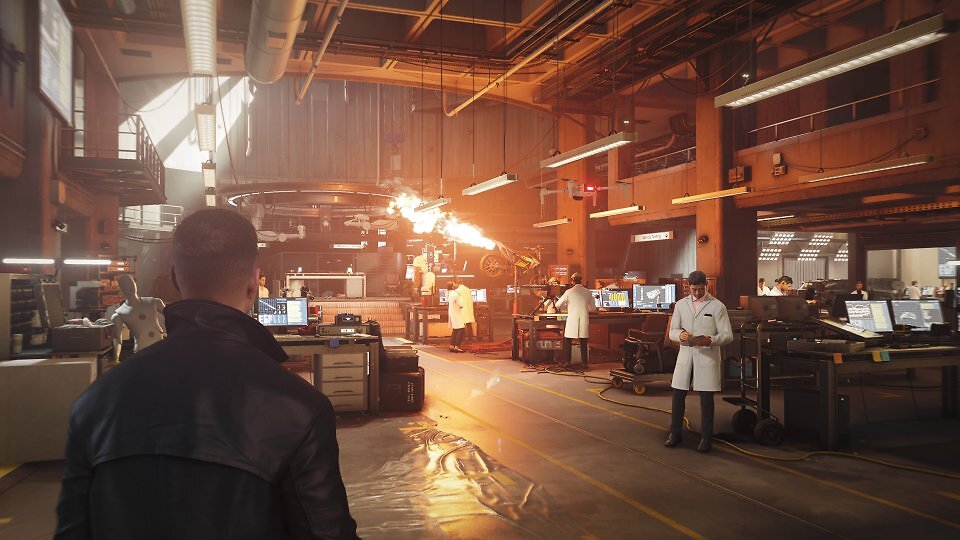
Q's chaotic research facility is, of course, a must-have in a James Bond title. Thanks to GI based on software ray tracing, areas not hit by direct light are organically illuminated by bounce light and darkened by indirect shadowing. However, the approach does show screen-space dropouts.
Source: PCGH
Q's chaotic research facility is, of course, a must-have in a James Bond title. Thanks to GI based on software ray tracing, areas not hit by direct light are organically illuminated by bounce light and darkened by indirect shadowing. However, the approach does show screen-space dropouts.
IO Interactive also uses another very interesting approach here for culling and for determining the corresponding light sources for ray tracing. To prevent the performance cost from exploding, it is essential for ray tracing not to sample too many lights per scene and frame. Some very modern titles use what is known as importance sampling for this purpose. Well-known examples would include Nvidia's ReSTIR algorithm, used in RTX Remix and path tracing in Cyberpunk, or the Lumen ray tracing of Unreal Engine 5. However, these come with certain disadvantages, including the fact that they are very demanding and, in some situations, can produce ugly noise, clearly visible in Cyberpunk without Ray Reconstruction or generally in Unreal Engine 5 and Lumen, particularly on glossy surfaces or with indirect shadowing.
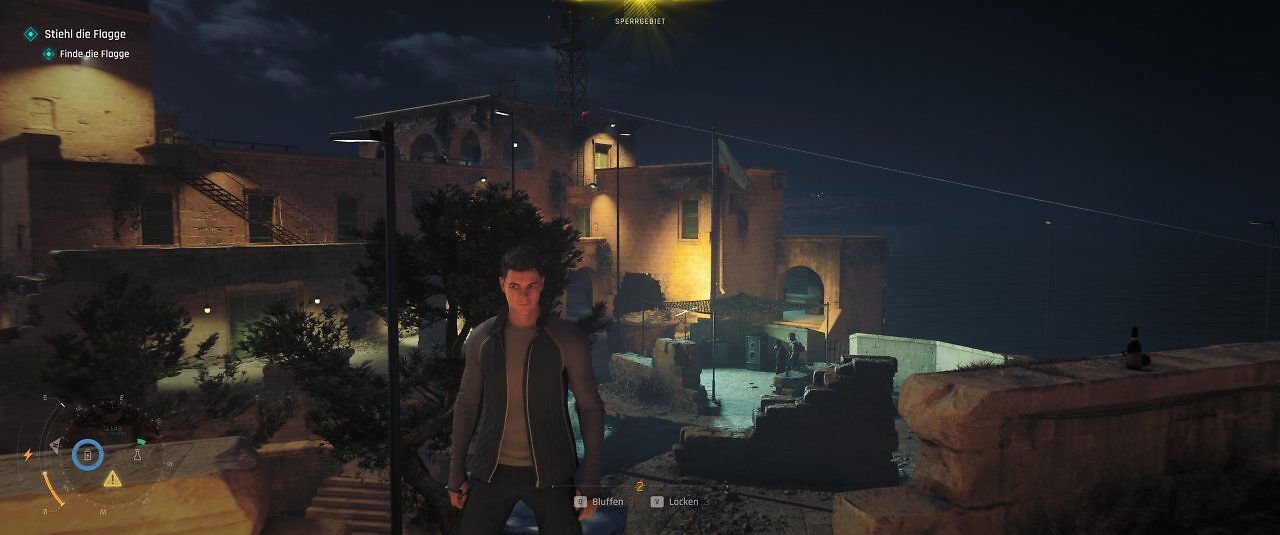
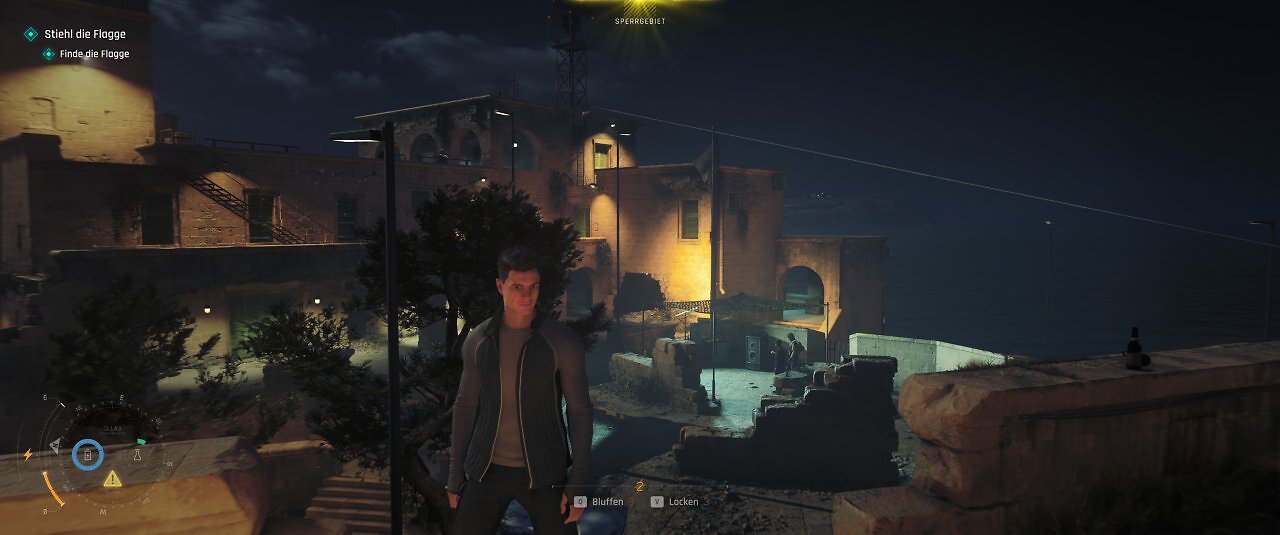
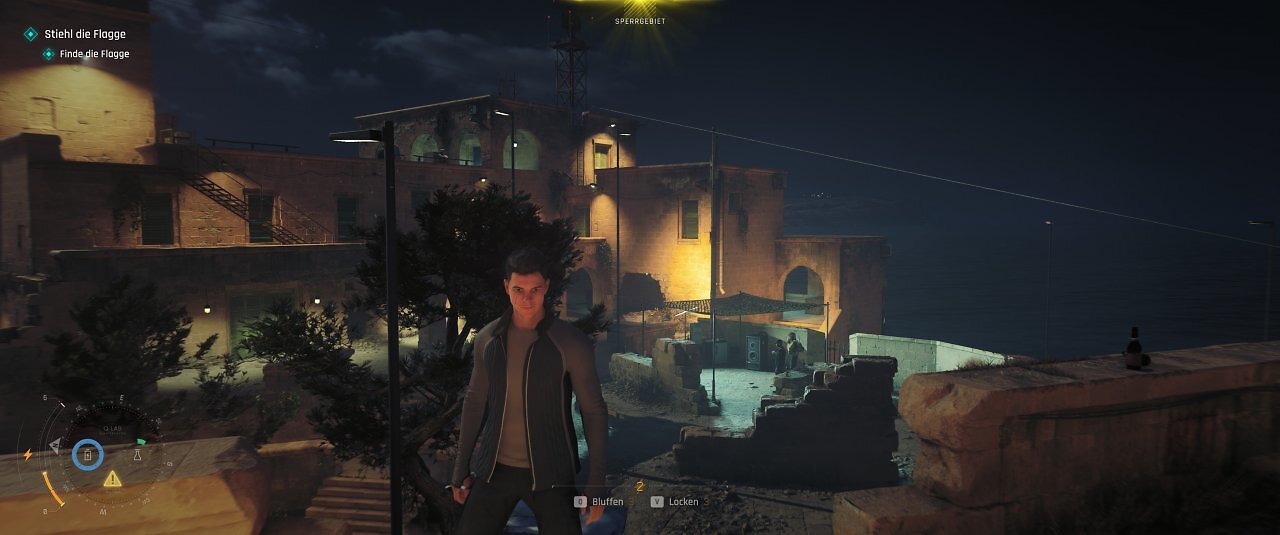
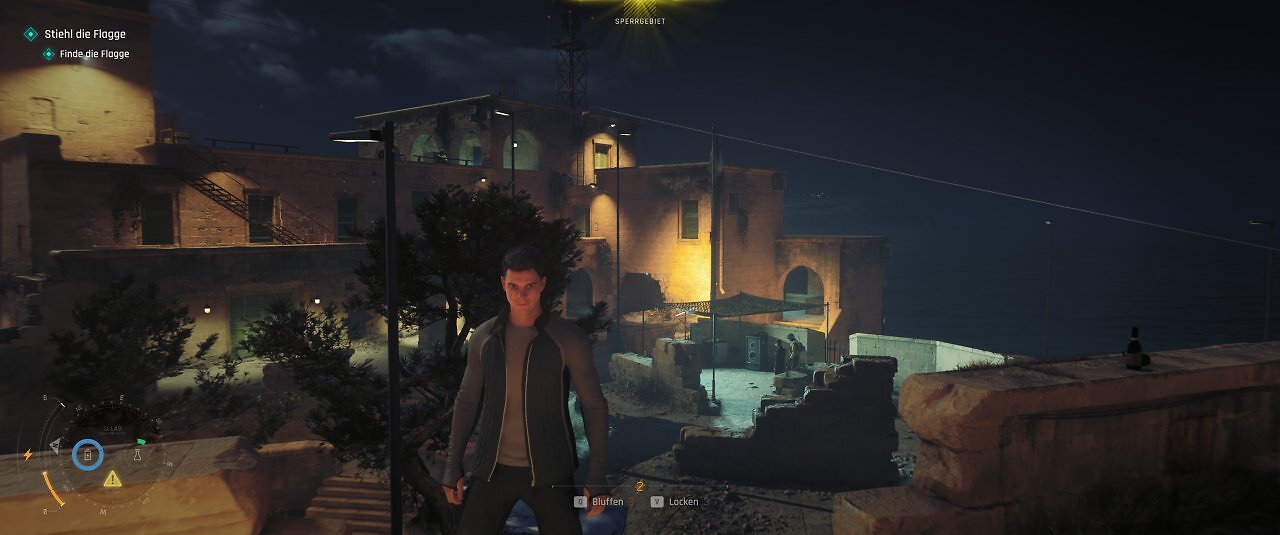
Instead, IO Interactive once again uses an in-house approach that checks how many pixels in the respective scene are influenced by individual light sources. The more pixels per scene and frame a light source influences, the higher it is weighted in the calculations required for lighting and shadowing. Depending on importance, the engine can decide which light sources in the scene are given the highest priority and switch them at runtime as needed. This applies to the integration of ray tracing as well as to the rendering of conventional Cascaded Shadow Maps, or CSM. The latter have been optimized and expanded compared with the earlier Hitman entries but are still used in their classic form.
Also new are some of the volumetric effects, which also interact with the more complex lighting and shadowing, pick them up, show self-shadowing and cast shadows onto the environment themselves. In addition to the regular volumetric effects such as fog, clouds, dust and spray, once again expanded for First Light, an additional system for volumetric smoke, developed proprietarily by IO Interactive, is used. This system, named "Smolder" by the developers, operates at a high level of detail and, according to IO Interactive, was originally not intended for use in 007 First Light, but was developed internally for another project.
However, late in the development of 007 First Light, these effects were needed and implemented for the smoke grenade gadget. As with other volumetrics, ray-marching is used. However, the algorithm was specifically developed and optimized to allow the generally quite demanding ray-marching effect to scale cleanly with many different light sources as well as a wide range of hardware. On top of that, the "Smolder" effects use OIT, or Order Independent Transparency, to allow artifacts with other transparencies and alpha-test materials, meaning semi-transparent surfaces such as vegetation or chain-link fences, to scale. This evidently worked so well that the volumetric smoke effects could still be used extensively by the designers late in development. Instead of being used only for James Bond gadgets, the Smolder effects could be distributed throughout the levels without exceeding the console render budget of the consoles.
This is basically what the almost complete overhaul of the Glacier Engine revolves around: good scalability across all platforms. The GI based on software, distance fields and voxels can be used both on the more powerful platforms, such as the Pro and X-series console models, respectively, in Quality Mode, and on powerful PCs. To do this, the resolution or complexity of the effects can simply be reduced. The RT GI, for example, optionally runs at half or full resolution.
The volumetric effects and other visual features, including the stylish planar reflections on some mirrors known from Hitman, which are also used again in 007 First Light, can likewise simply be reduced in complexity. The latter is possible without level and art designers having to rework the assets. Such a rework would be necessary, for example, if several lighting systems were used. Many effects, including the probe representation for specular GI and many reflections, are incidentally substituted by strikingly accurate cube maps, which usually hide screen-space artifacts effectively.
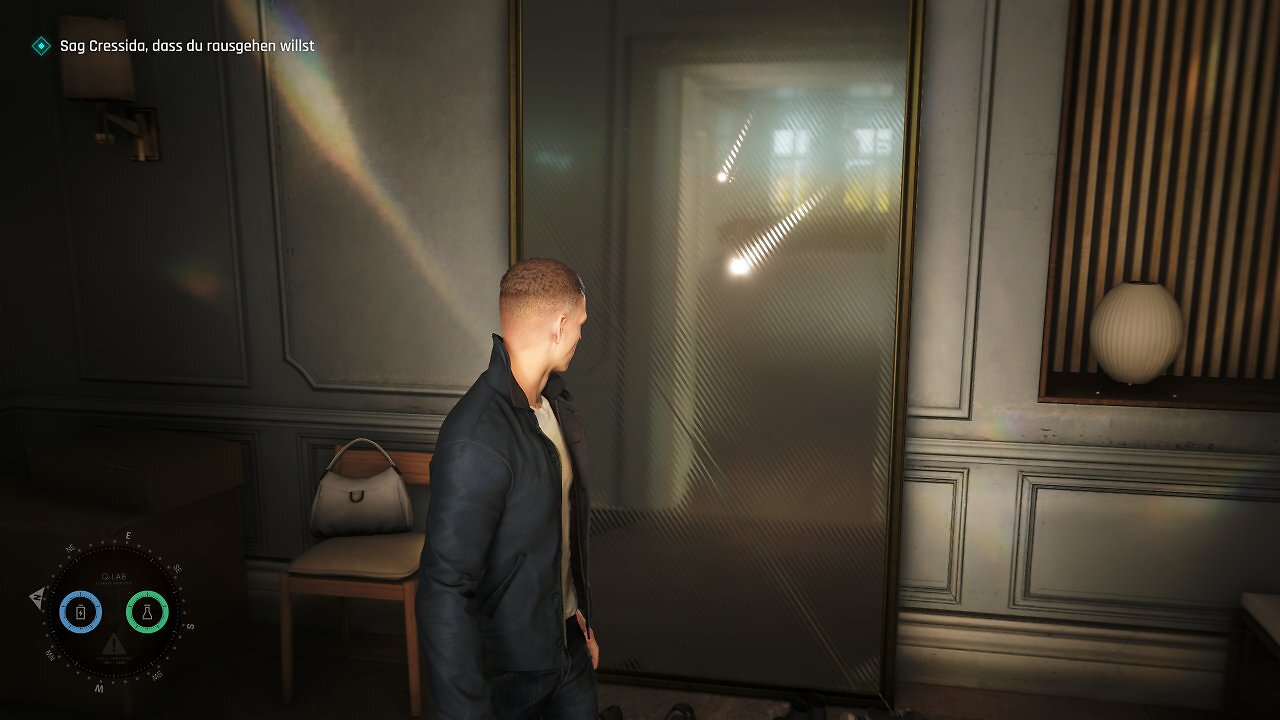
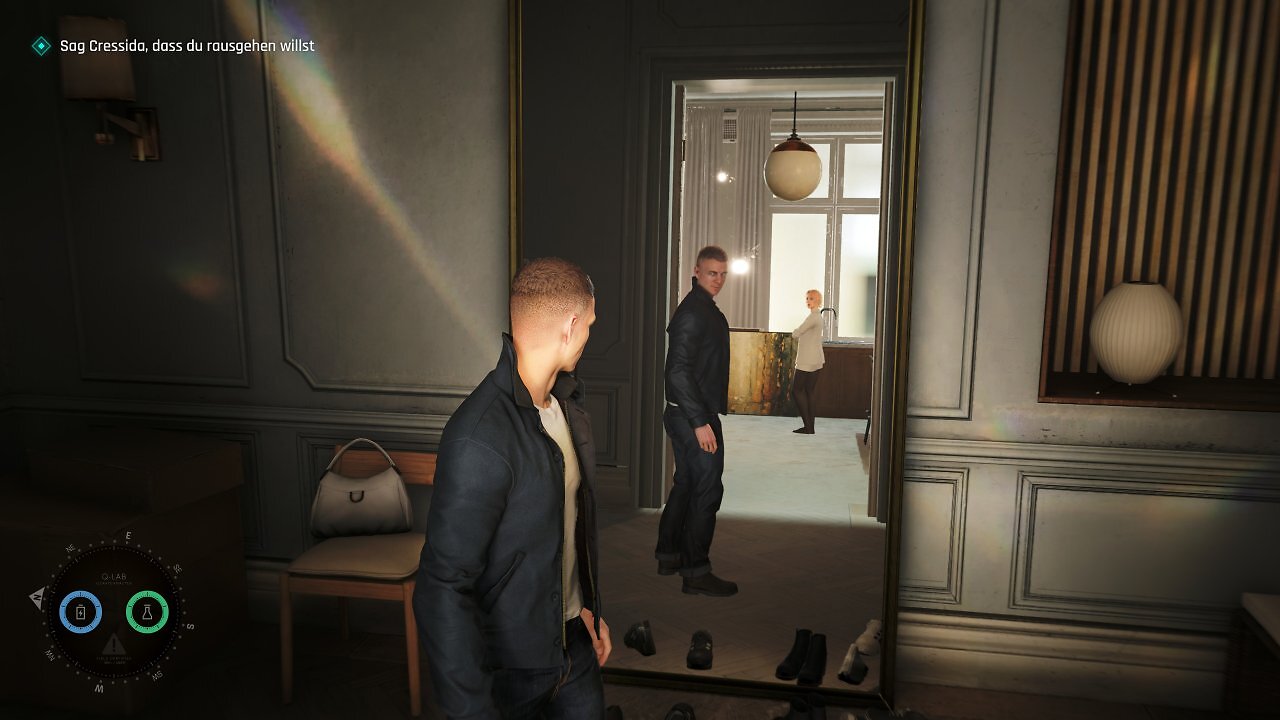
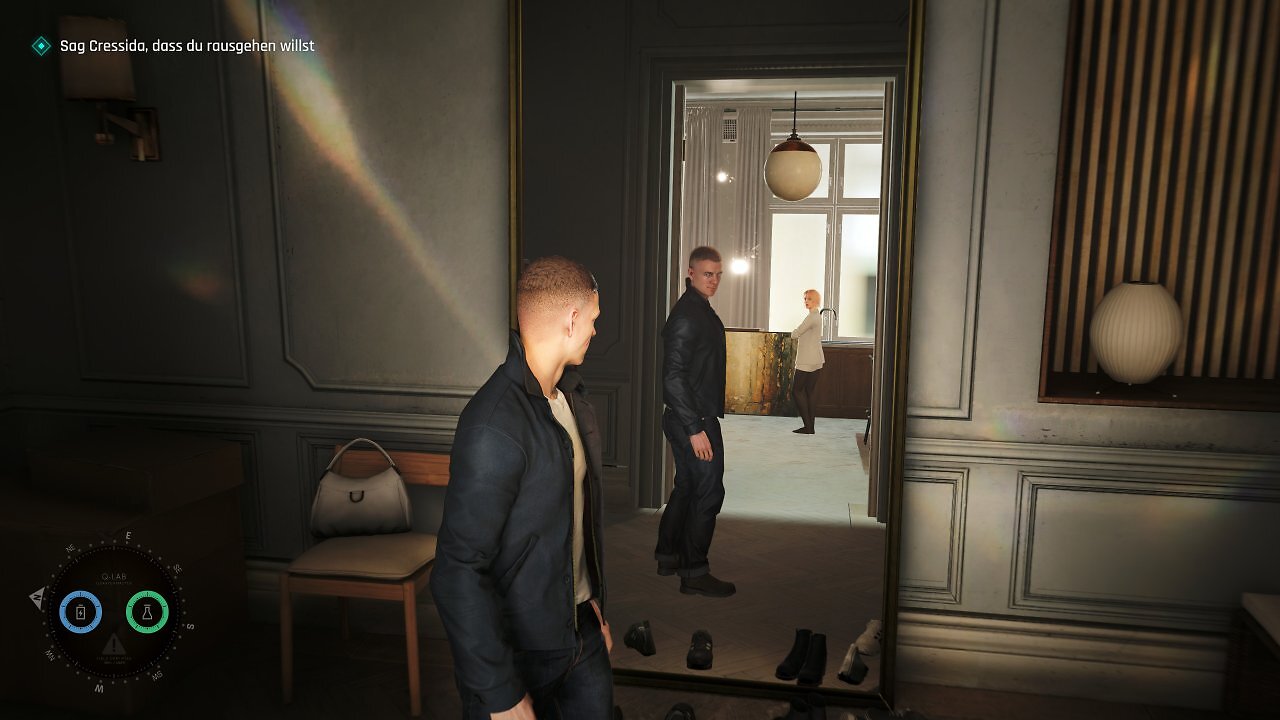
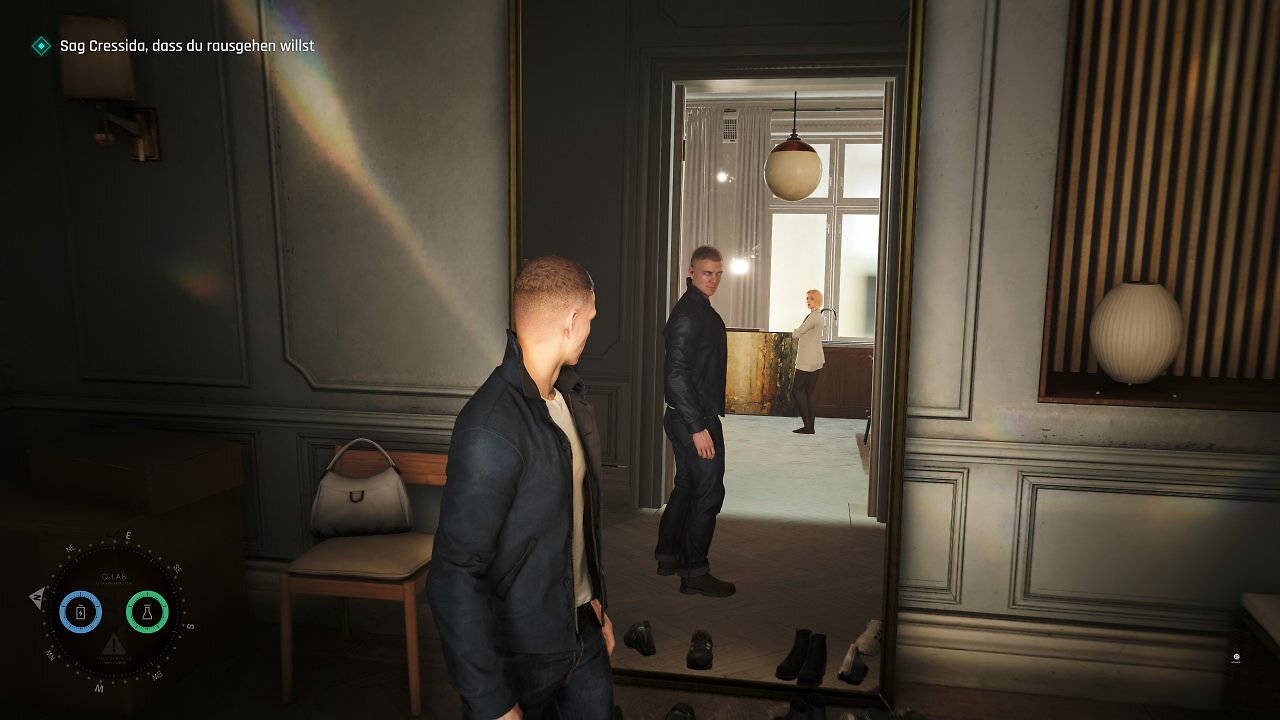
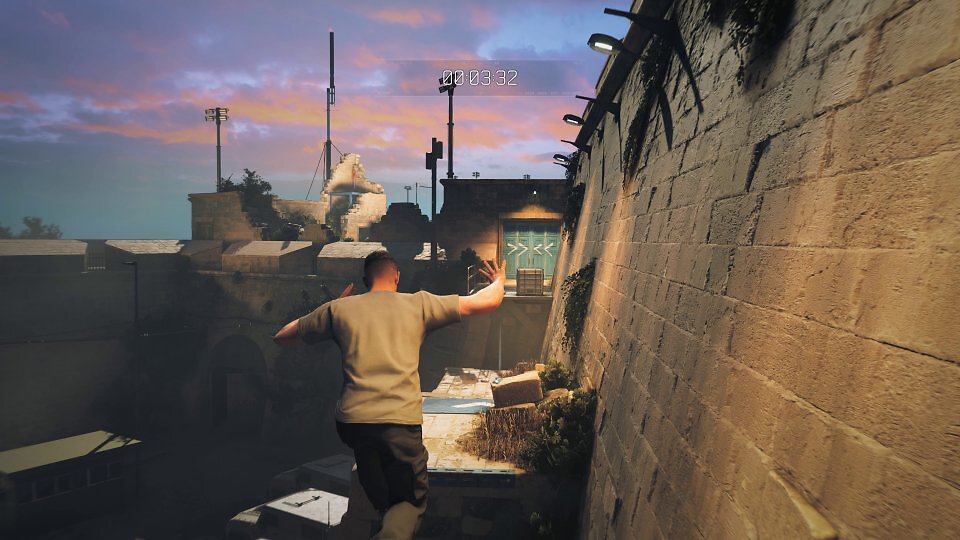
The revised engine also includes many other improvements for 007 First Light and the revised Glacier Engine. Among the other very elaborate and, on top of that, notable improvements is the significantly expanded animation model. This not only uses a substantially higher number of individual animations, but also blends hundreds of them together in a much more organic way than was the case in the more recent Hitman entries. This results in the stylish animations of the characters in First Light, which appear much more organic than the bald protagonist still somewhat stiffly striding around in Hitman. This is another factor in which the new 007 adventure is reminiscent of games such as Uncharted.
 Source: PCGH
Like Nathan Drake across an obstacle course. It is not only the young, somewhat roguish character of the new, modern 007 that is somewhat reminiscent of Uncharted. In addition to a certain similarity in character and the climbing and parkour sequences, the smooth animations also recall Sony's polished adventure games.
In addition, the hair rendering has been revised via strand-hair technology, the facial expressions of the virtual characters have been significantly refined, and material rendering and shading have been expanded to interact accordingly with the enhanced lighting model. Technically, the developers at IO Interactive have therefore indeed achieved something impressive. Even without the already announced path tracing support, which is expected to follow via patch in the summer, the presentation of the almost comprehensively revised Glacier Engine is remarkable. If you are interested in further details: Shortly before the launch of the game, the developers conducted an exclusive interview with Digital Foundry. We now turn to the question of cost. So: How well does 007 First Light run? What hardware is needed for smooth performance?
Source: PCGH
Like Nathan Drake across an obstacle course. It is not only the young, somewhat roguish character of the new, modern 007 that is somewhat reminiscent of Uncharted. In addition to a certain similarity in character and the climbing and parkour sequences, the smooth animations also recall Sony's polished adventure games.
In addition, the hair rendering has been revised via strand-hair technology, the facial expressions of the virtual characters have been significantly refined, and material rendering and shading have been expanded to interact accordingly with the enhanced lighting model. Technically, the developers at IO Interactive have therefore indeed achieved something impressive. Even without the already announced path tracing support, which is expected to follow via patch in the summer, the presentation of the almost comprehensively revised Glacier Engine is remarkable. If you are interested in further details: Shortly before the launch of the game, the developers conducted an exclusive interview with Digital Foundry. We now turn to the question of cost. So: How well does 007 First Light run? What hardware is needed for smooth performance?