FSR 4.1 for RDNA 3 Review: More Examples
We'll take a look at a few more examples of FSR 4's image quality on RDNA 3 GPUs and compare the upscaling results with those of the RDNA 4 version.
In this Article
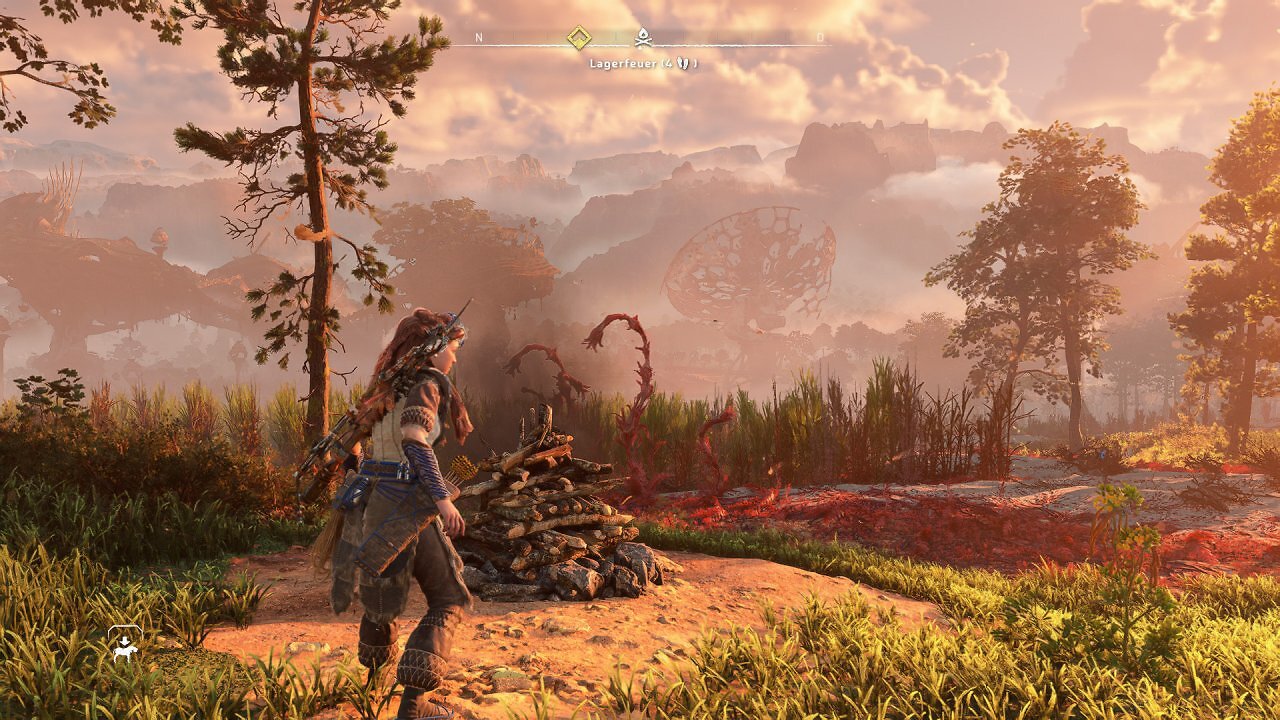
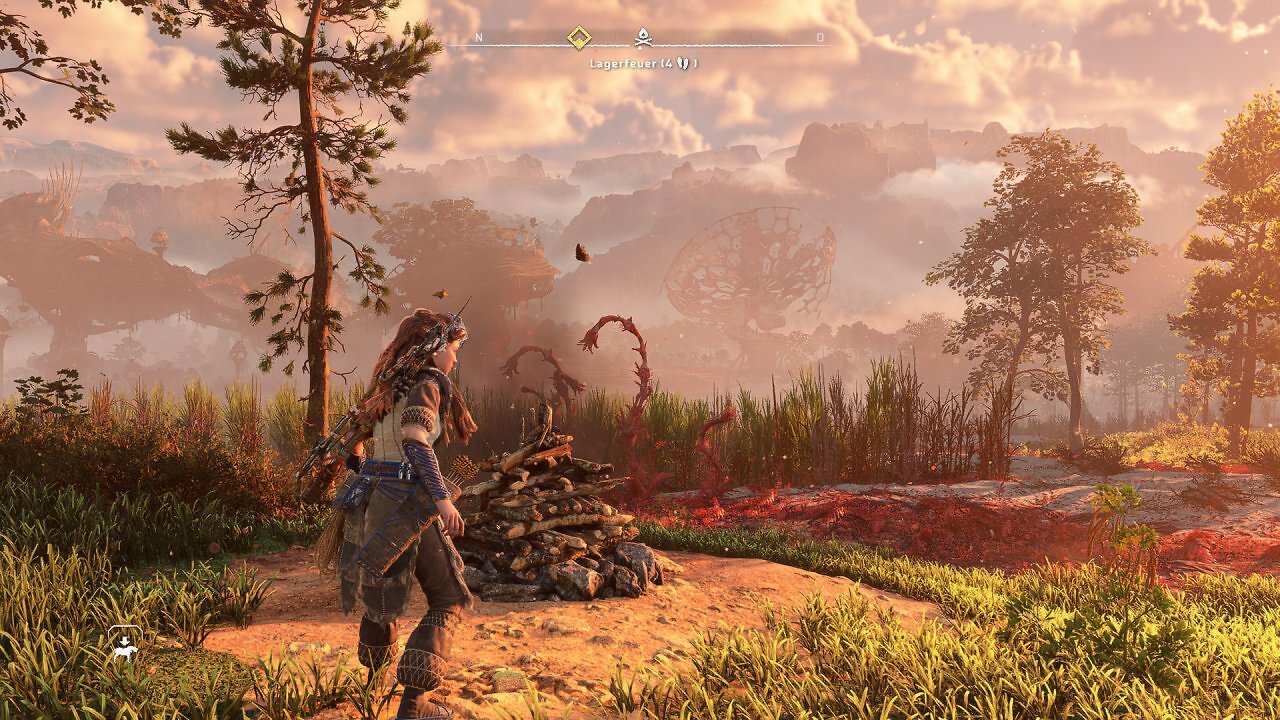
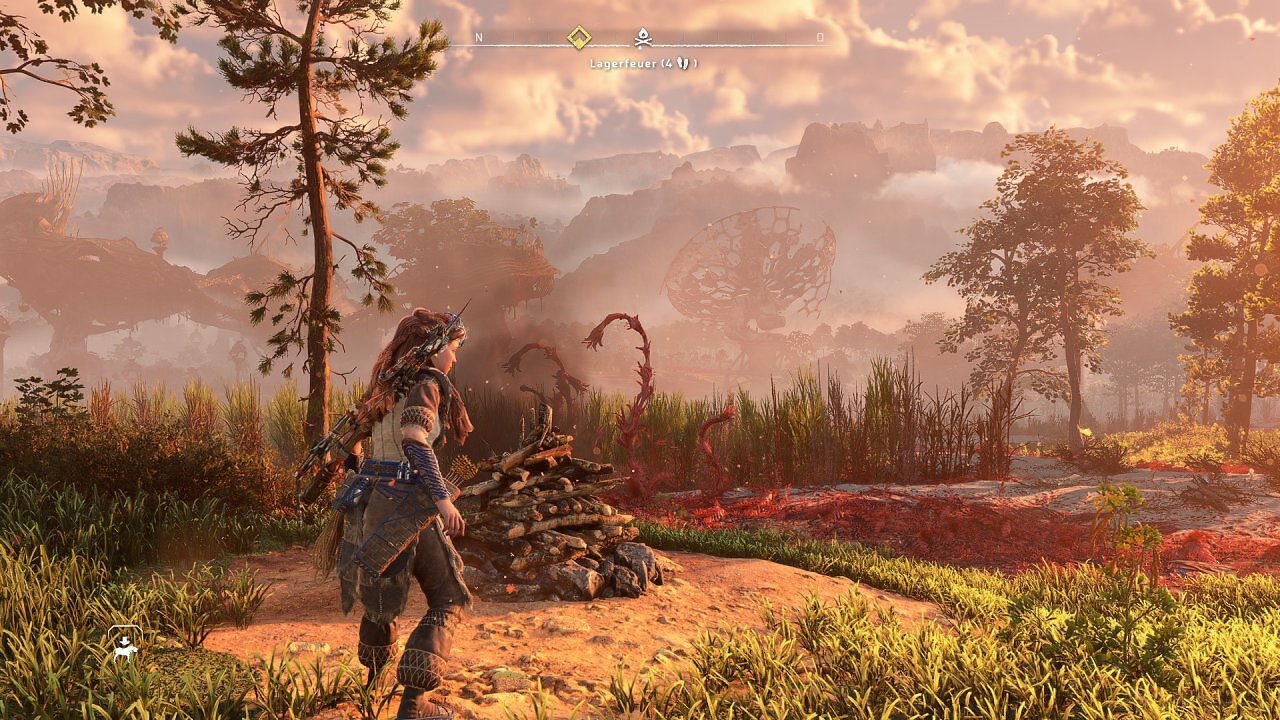
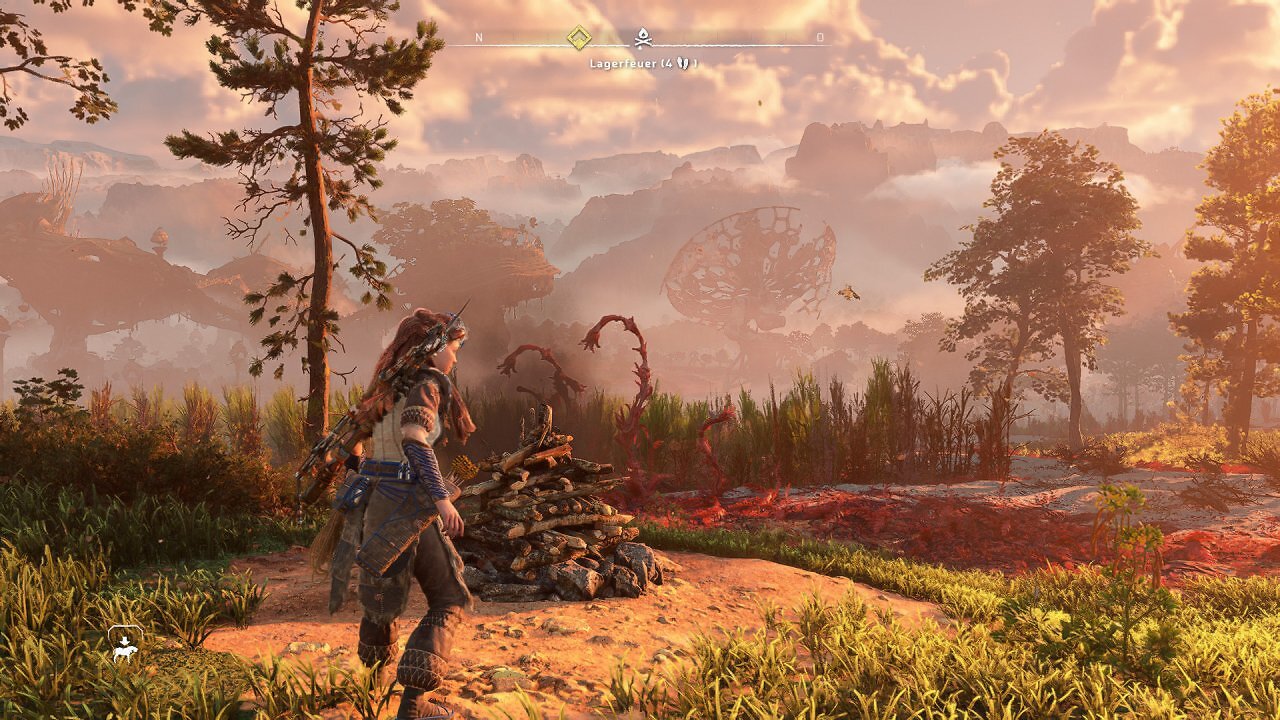
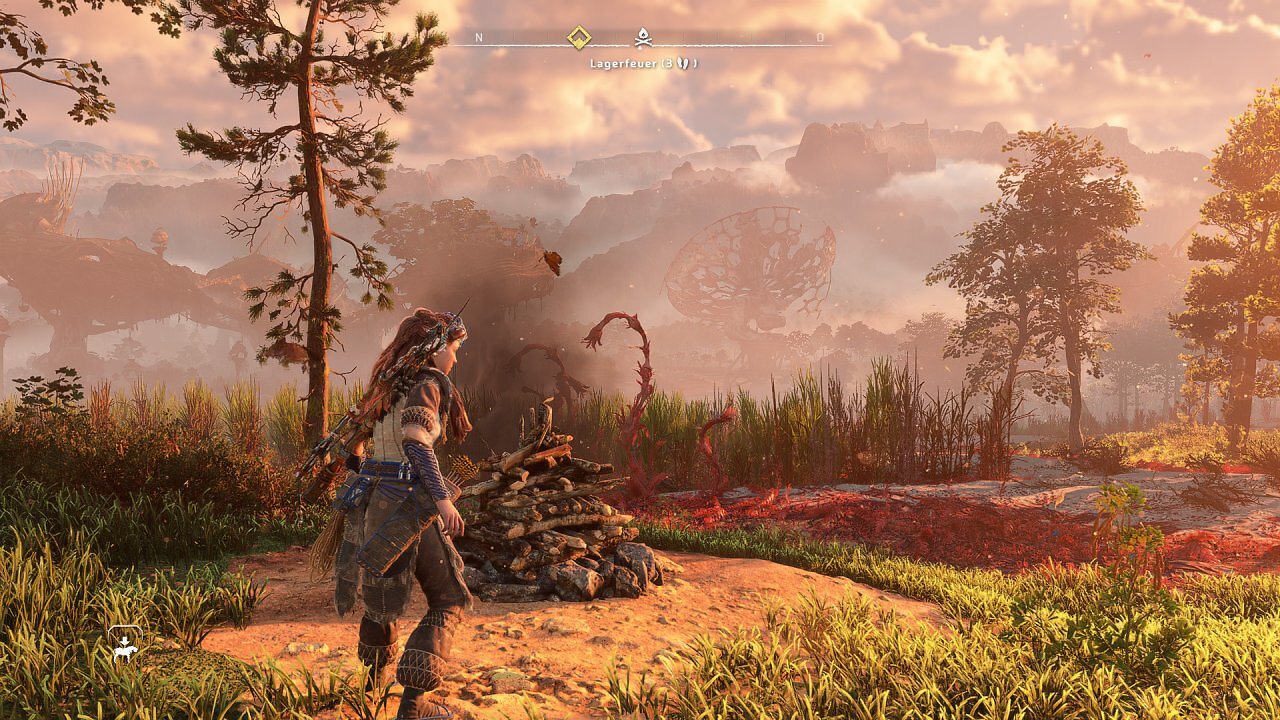
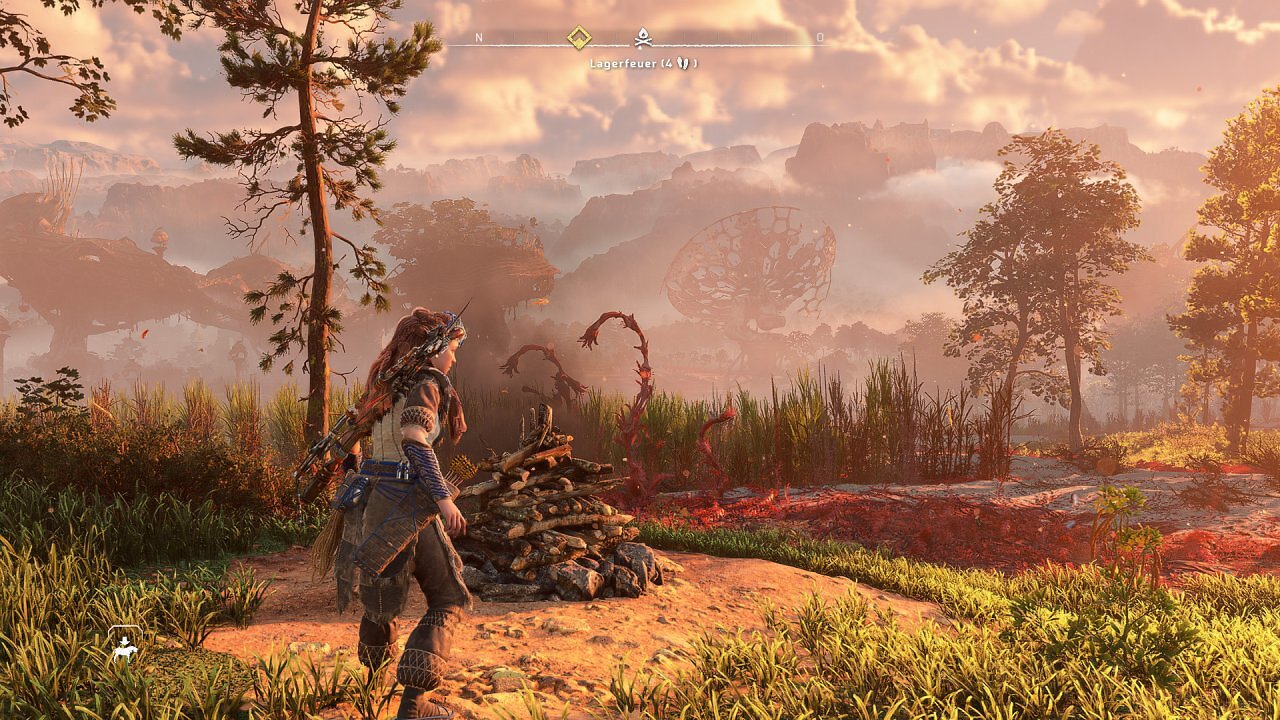
Next up is Horizon Forbidden West: The differences between the standard FSR 3—which is used by default on both the RX 7800 XT and the RX 9070 XT without driver conversion—and FSR 4.1 (Int8 and FP8) are obvious. The overall image is significantly smoother and cleaner with FSR 4. The superiority of FSR 4 is particularly evident in the particles flying around everywhere in this scene. With FSR 3, these particles leave very noticeable streaks, primarily when they're in front of other fine details like grass or other "mean" textures. With FSR 4, the trails are significantly reduced. Even fine details like Aloy's hair and her gear are rendered much cleaner and with far greater detail using FSR 4 compared to FSR 3.
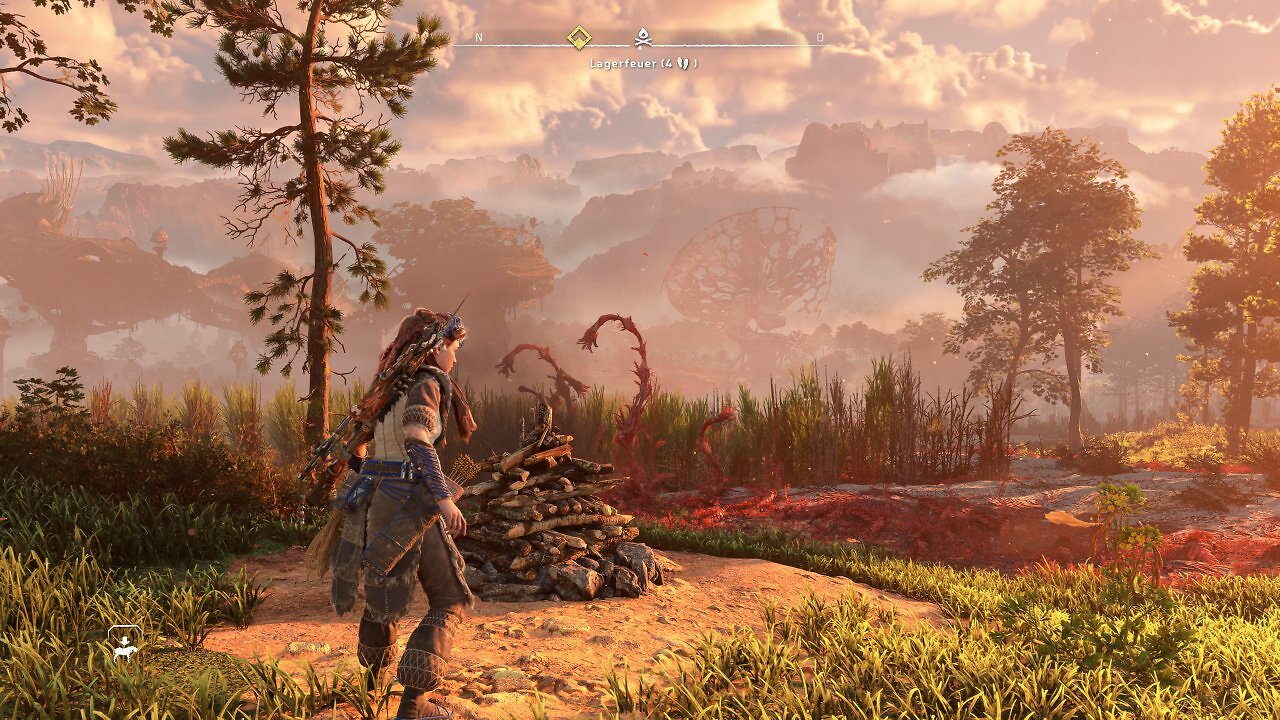
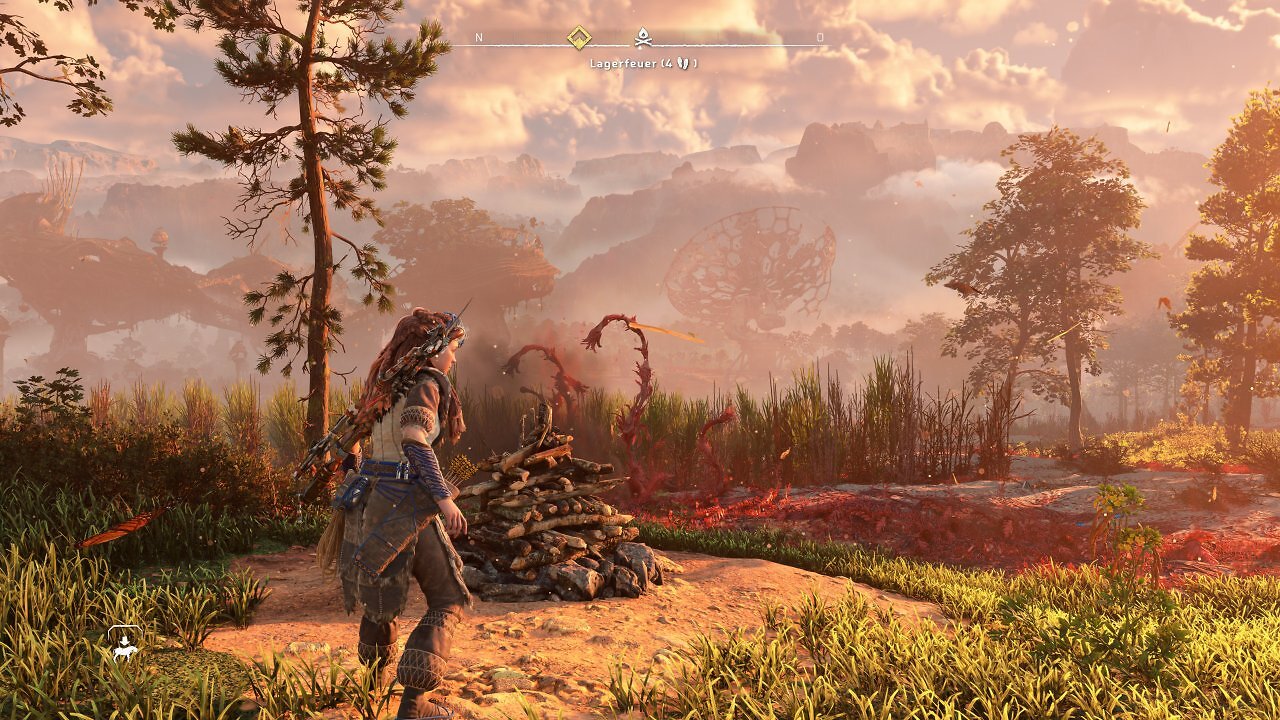
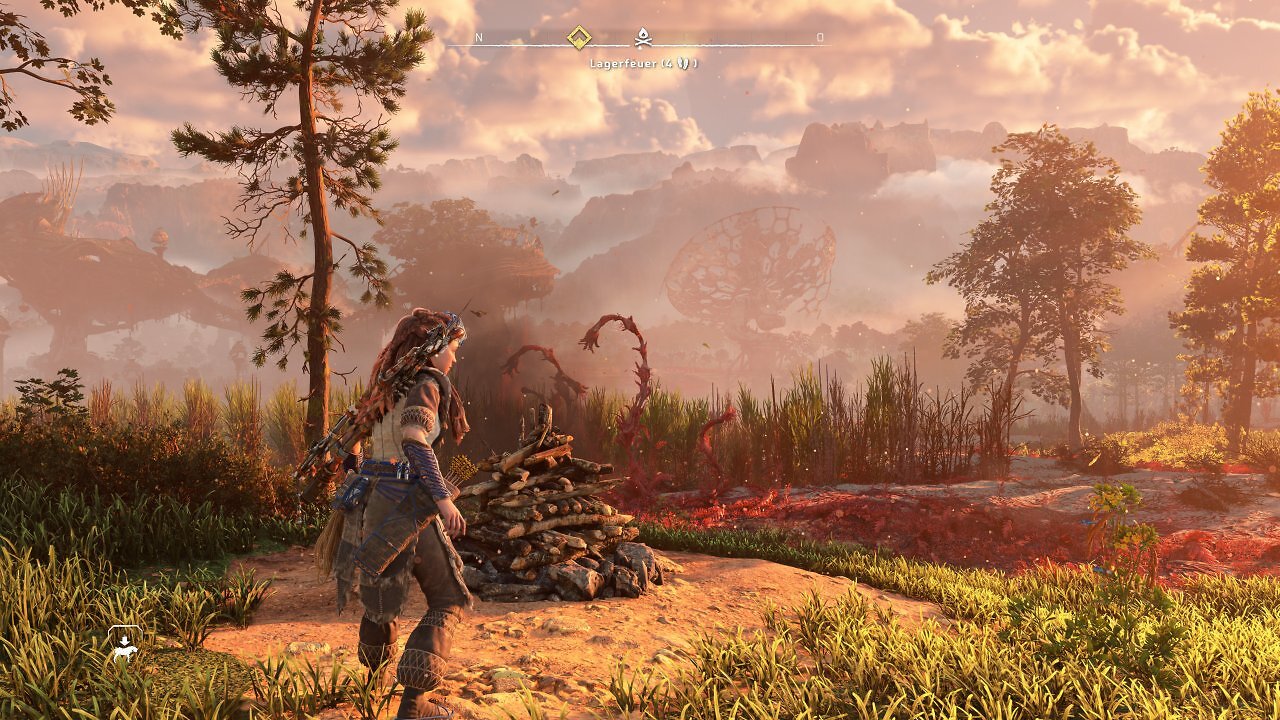
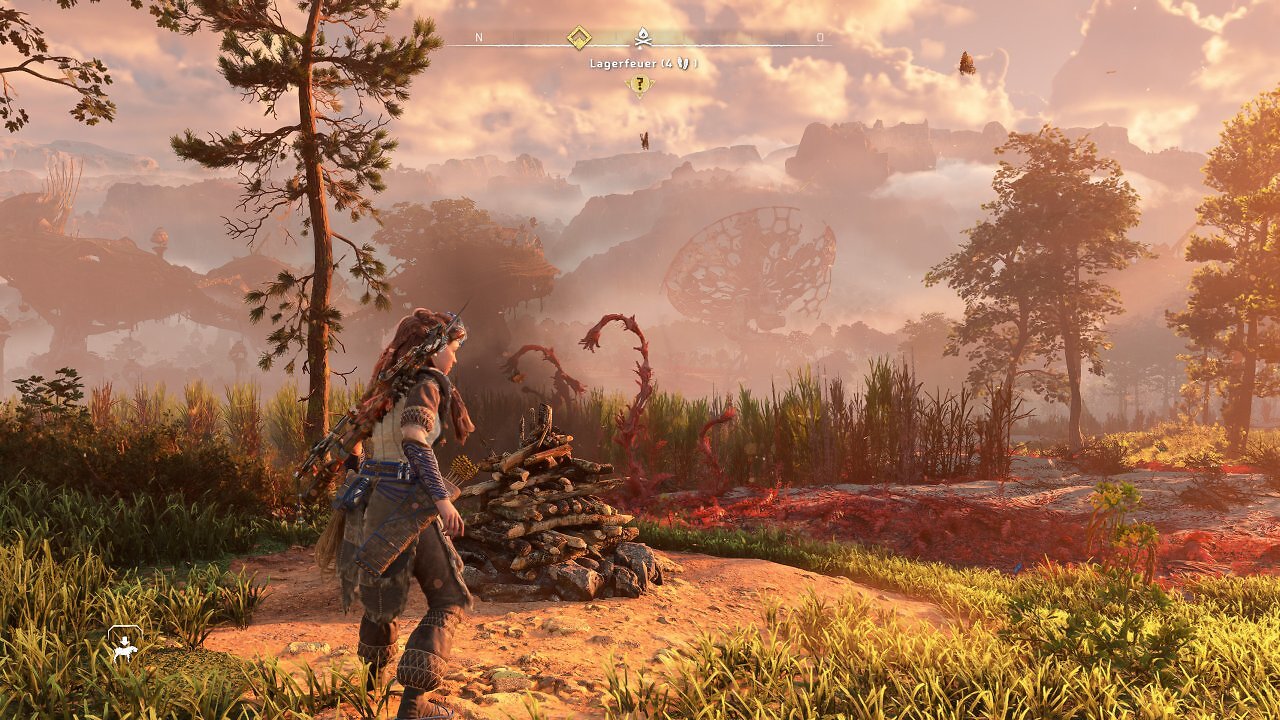
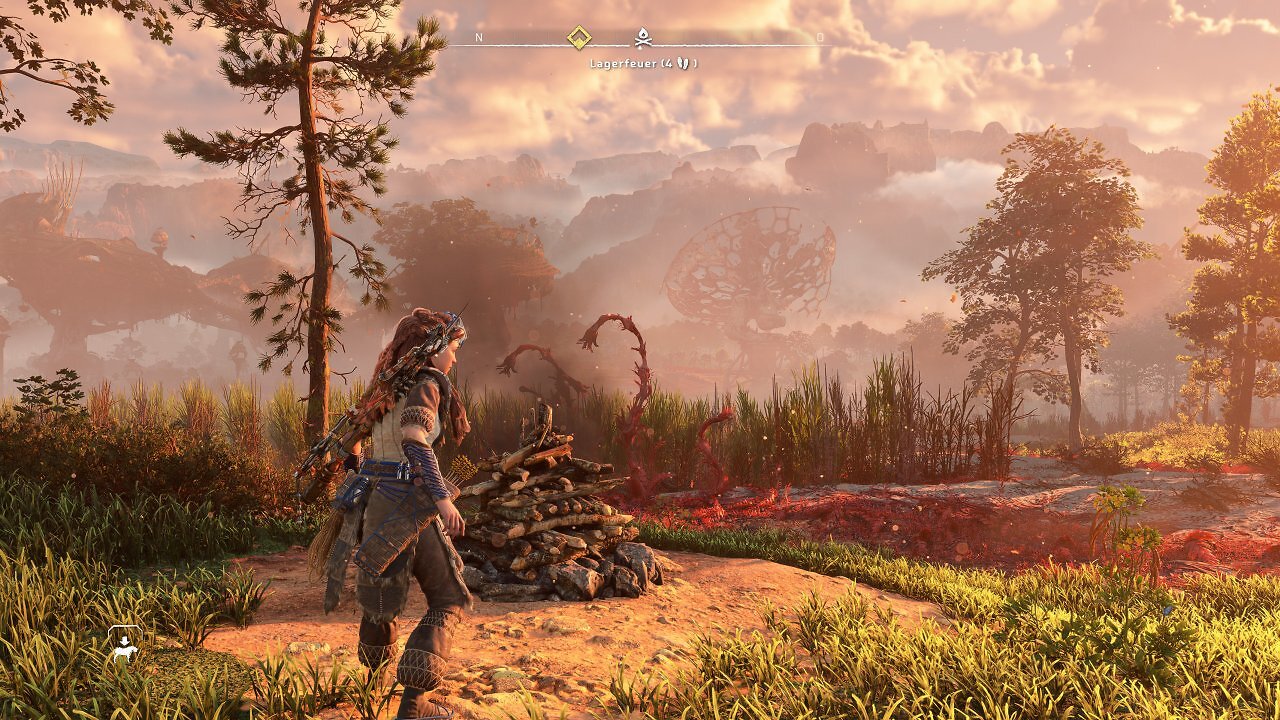
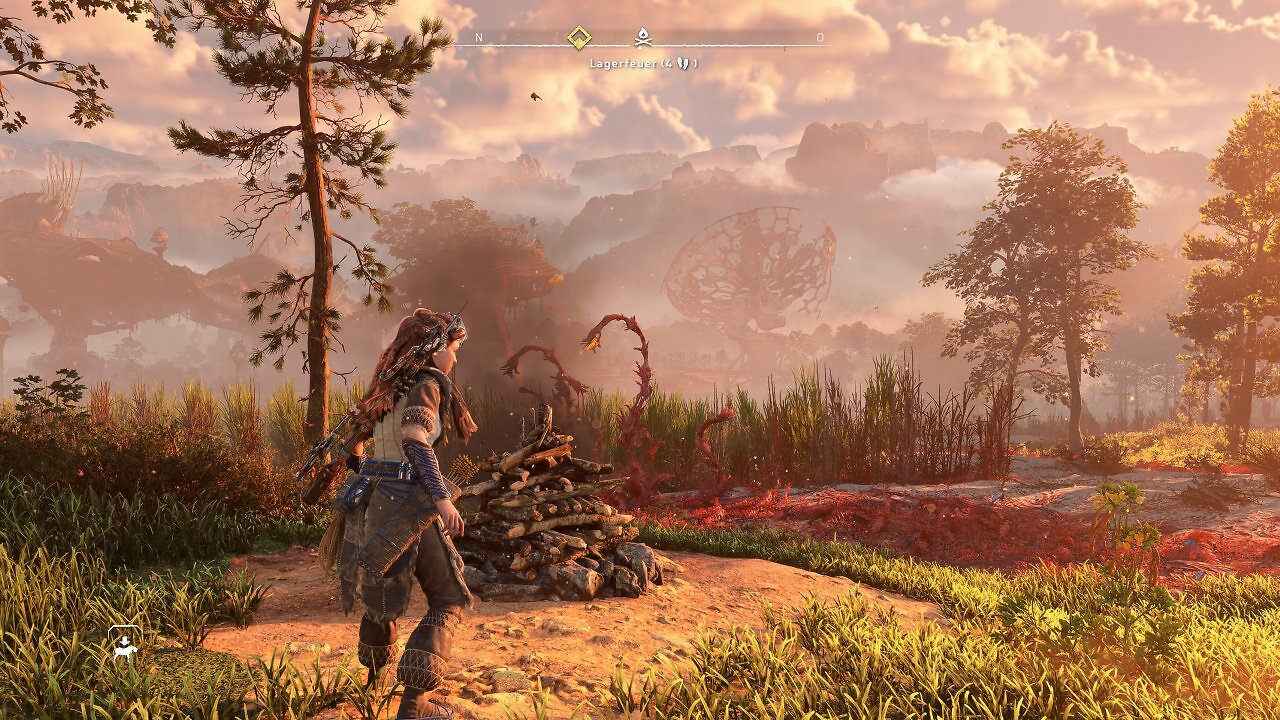
Once again, you have to look very closely to spot any visual differences between the FSR 4.1.1 FP8 and the Int8 variant. You can glimpse minimal advantages for FSR 4 on RDNA 4, but these are so slight that even trained eyes have a hard time clearly defining the differences. In motion, FSR 4 FP8 appears a tiny bit more stable and cleaner. Here and there, a texture is rendered with a slight difference, and in general, the contrasts appear a little sharper and richer with the "full-fledged" FP8 variant. However, as in many previous examples, even in Full HD and with sharp performance upscaling, there is hardly any noticeable advantage for RDNA 4 over the RDNA 3 version and the integer model—at least when it comes to visual quality.
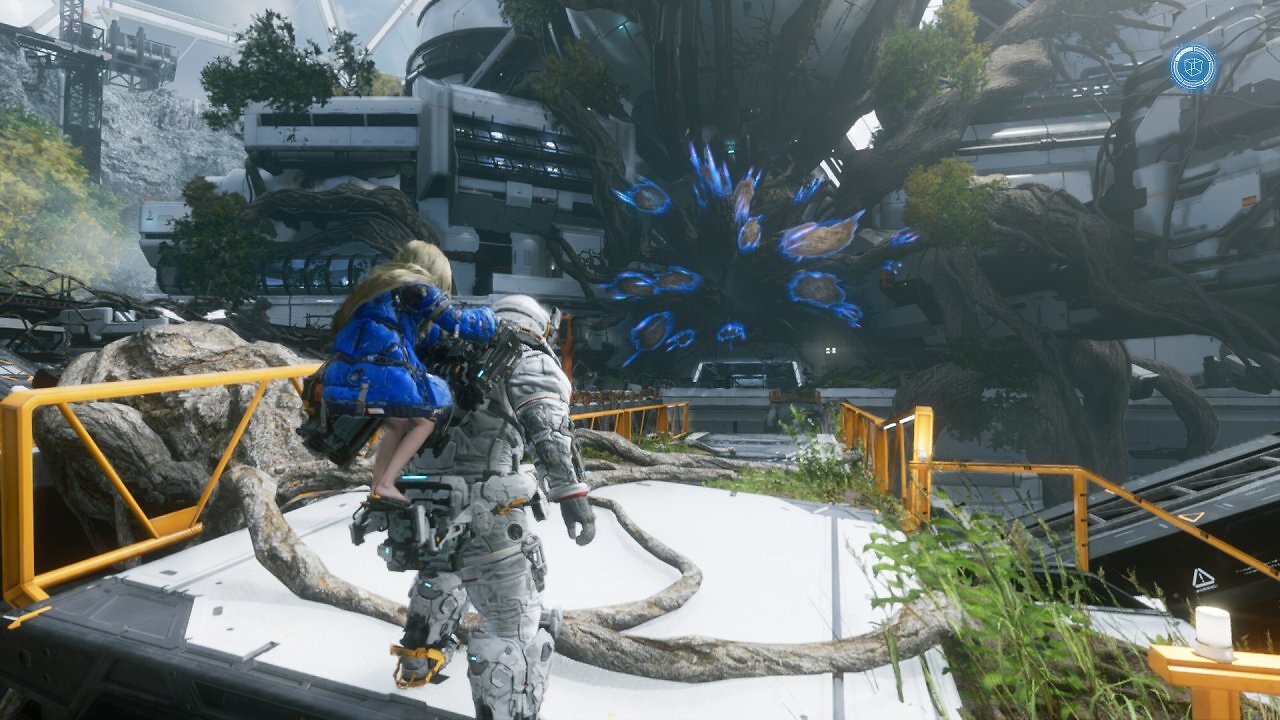
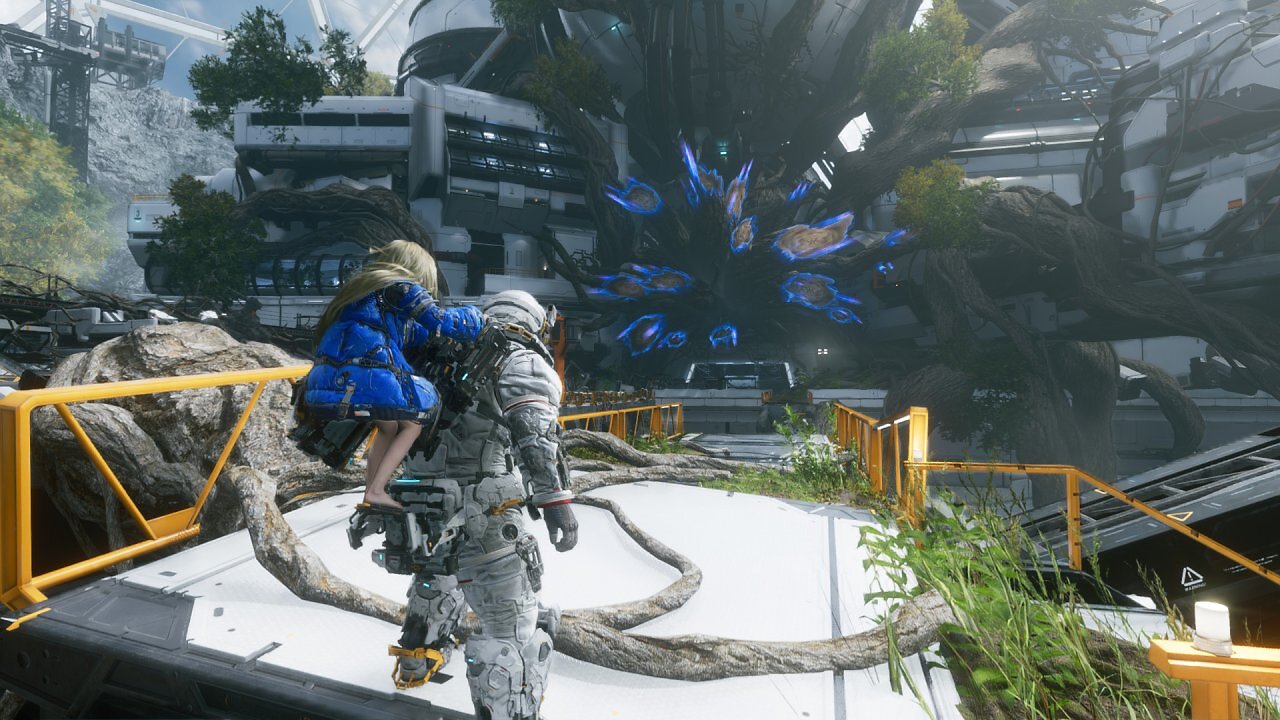
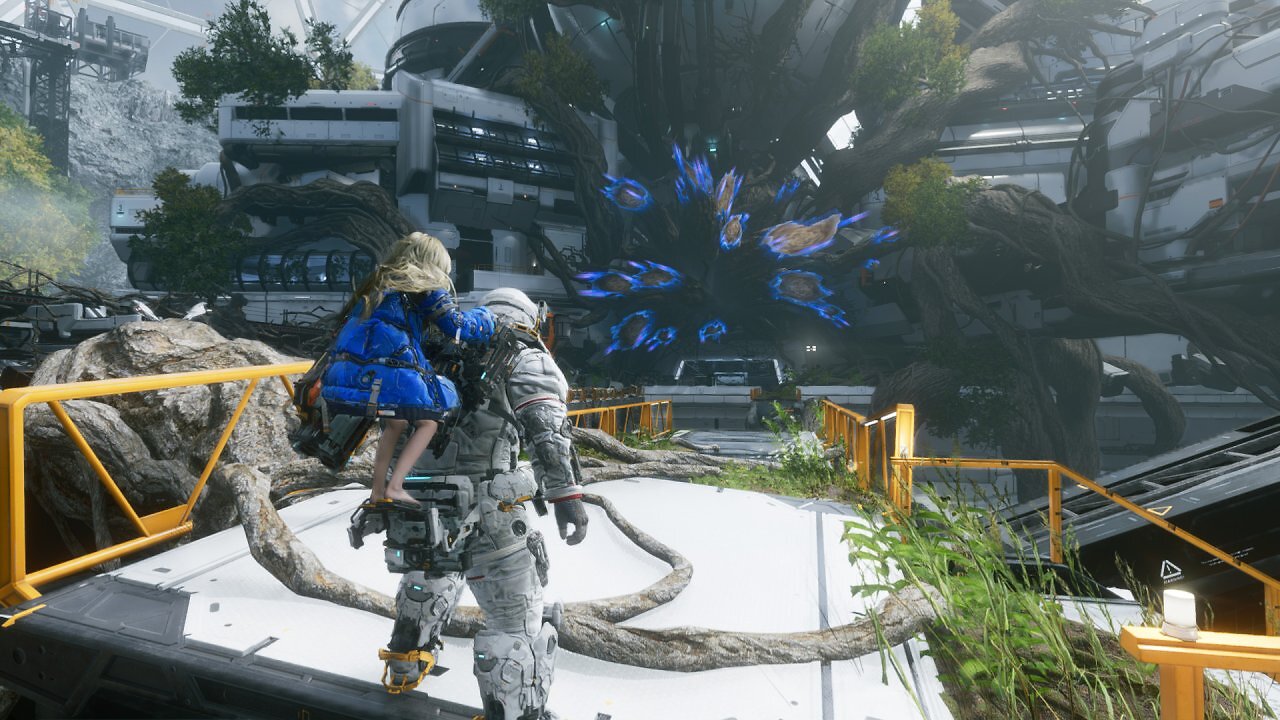
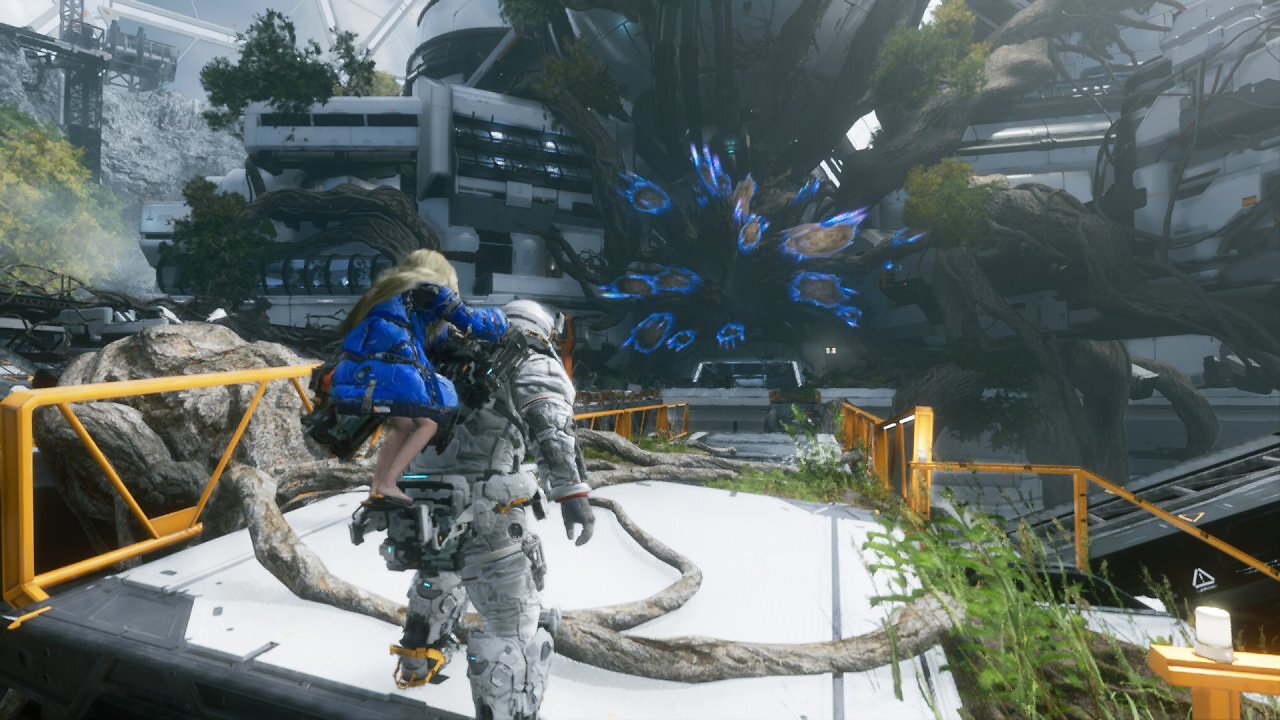
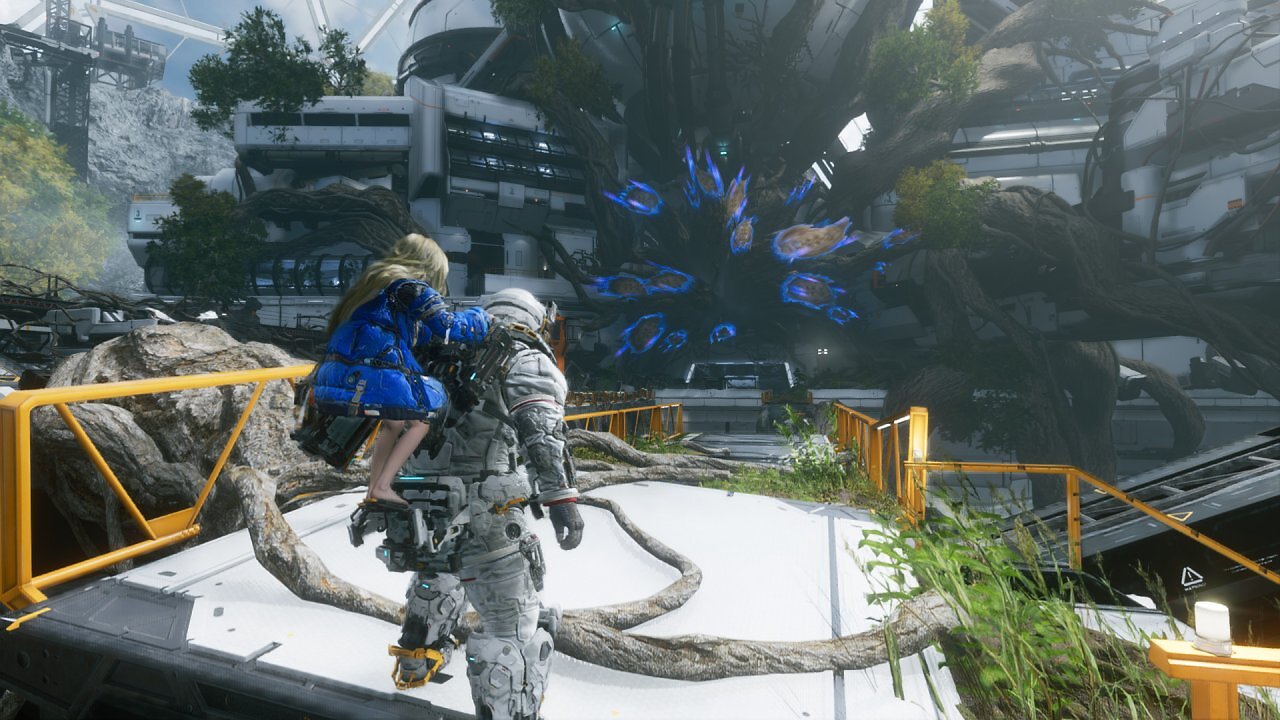
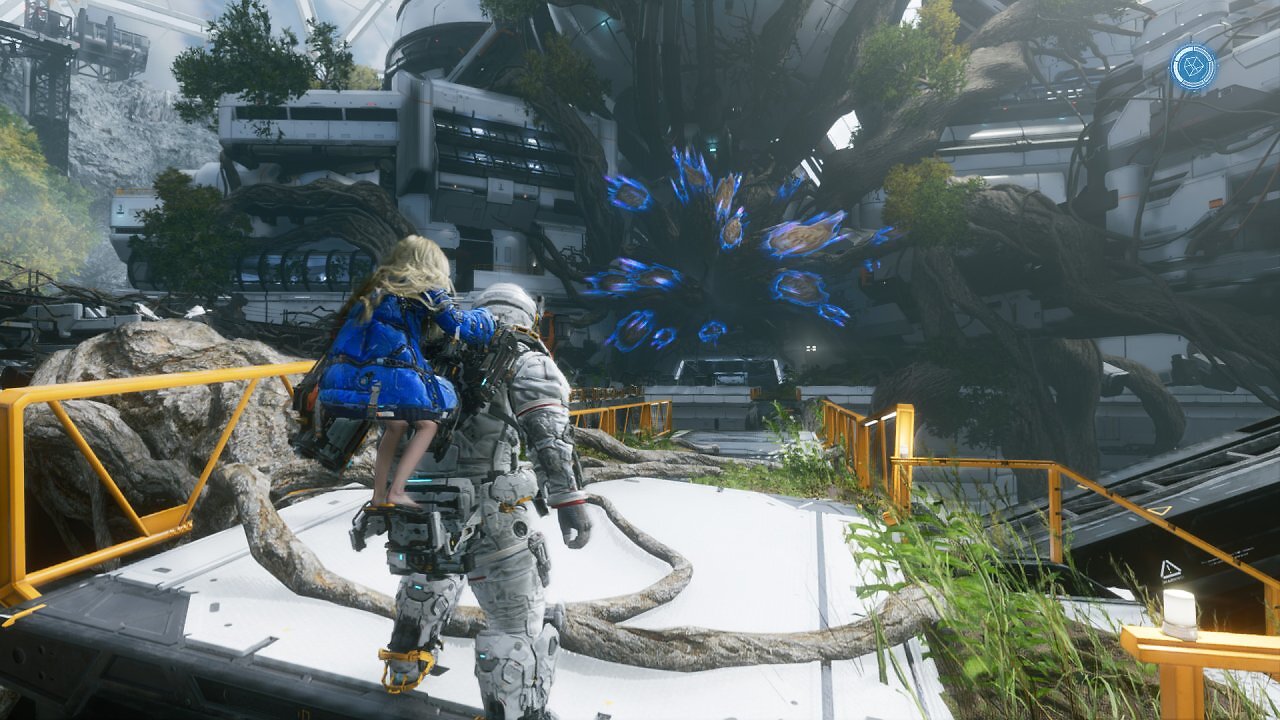
In Pragmata, the results also clearly favor FSR 4—once again, this applies to both the RDNA 4 and RDNA 3 variants. While FSR 4.1.1 on RDNA 4 hints at a touch more detail and slightly crisper contrasts, the differences between FSR 3 and FSR 4 are considerable. FSR 4 once again renders details much sharper, more consistent, and cleaner. The contrasts—for example, Hugh's suit or the gray-and-white paneling—are significantly sharper with FSR 4. In addition, the vegetation, such as the grass on the right in the foreground, is captured and rendered much more cleanly with FSR 4.
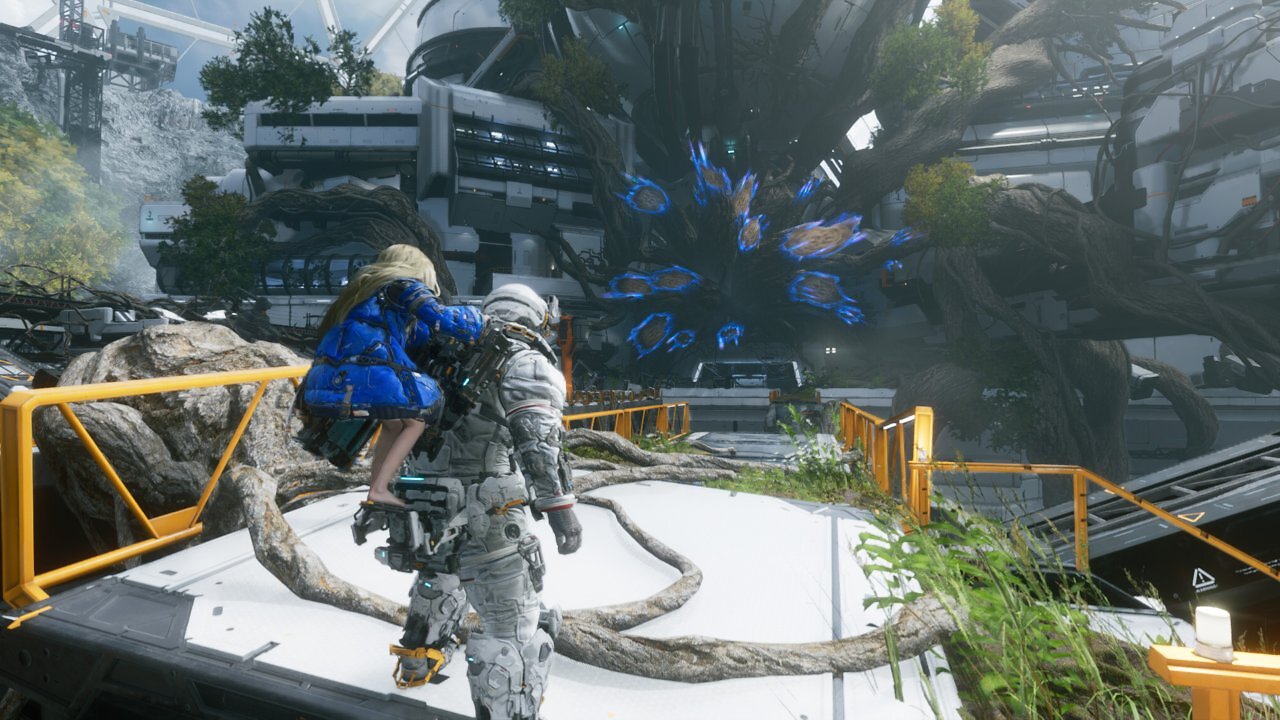
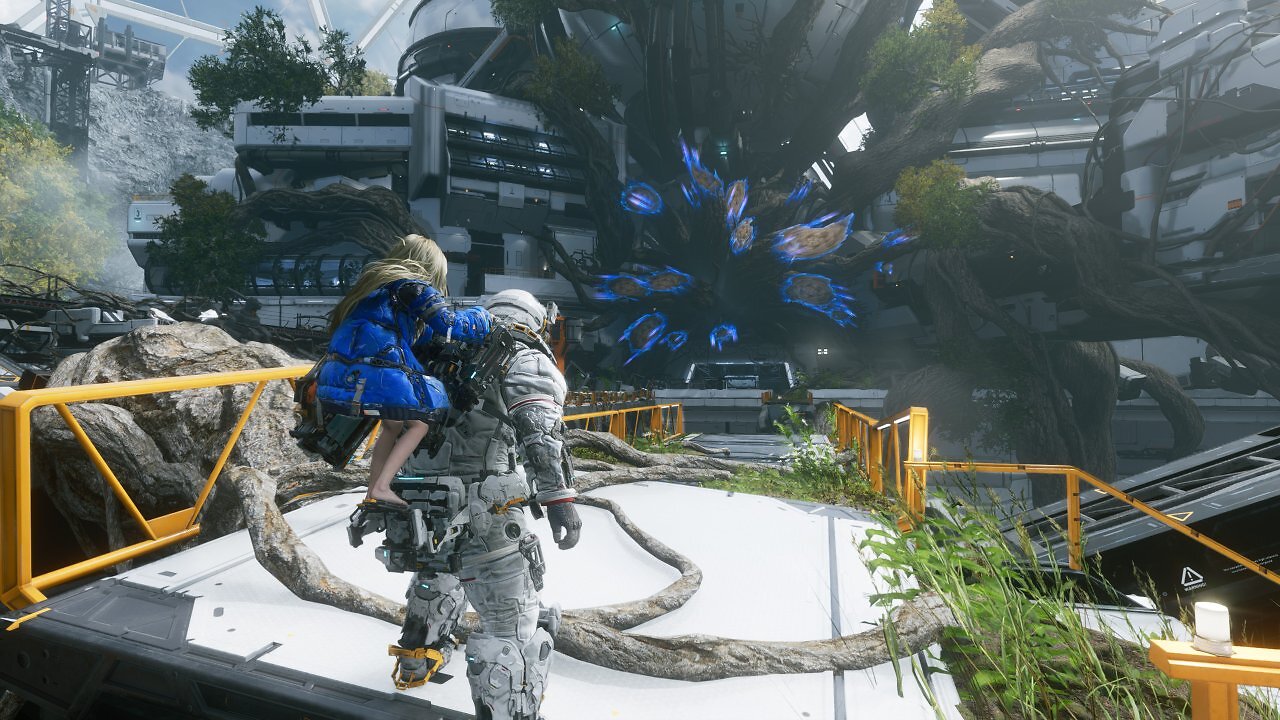
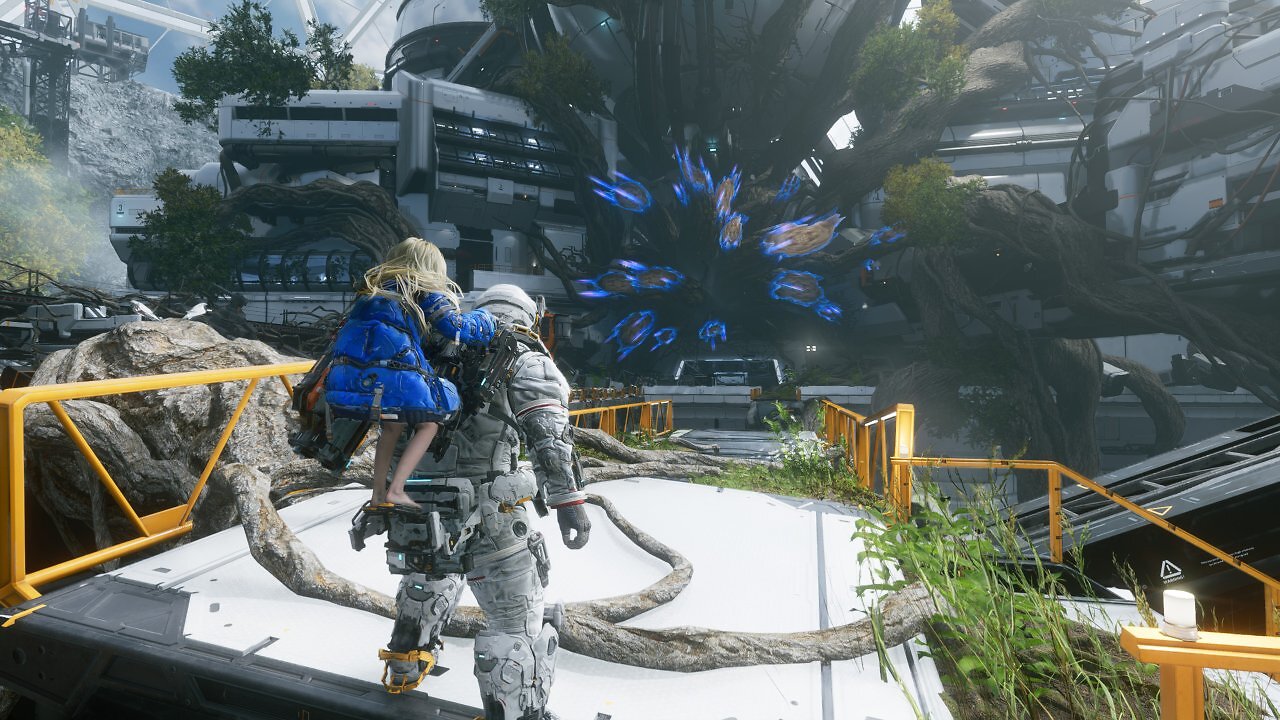
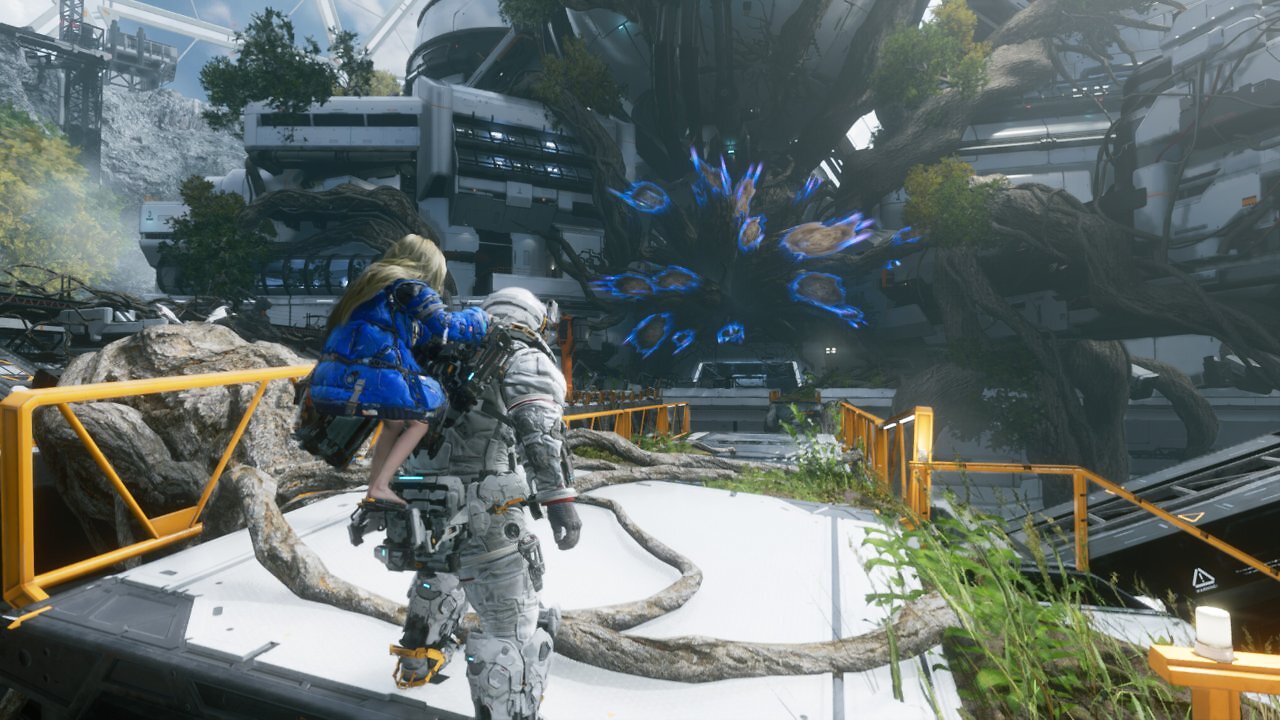
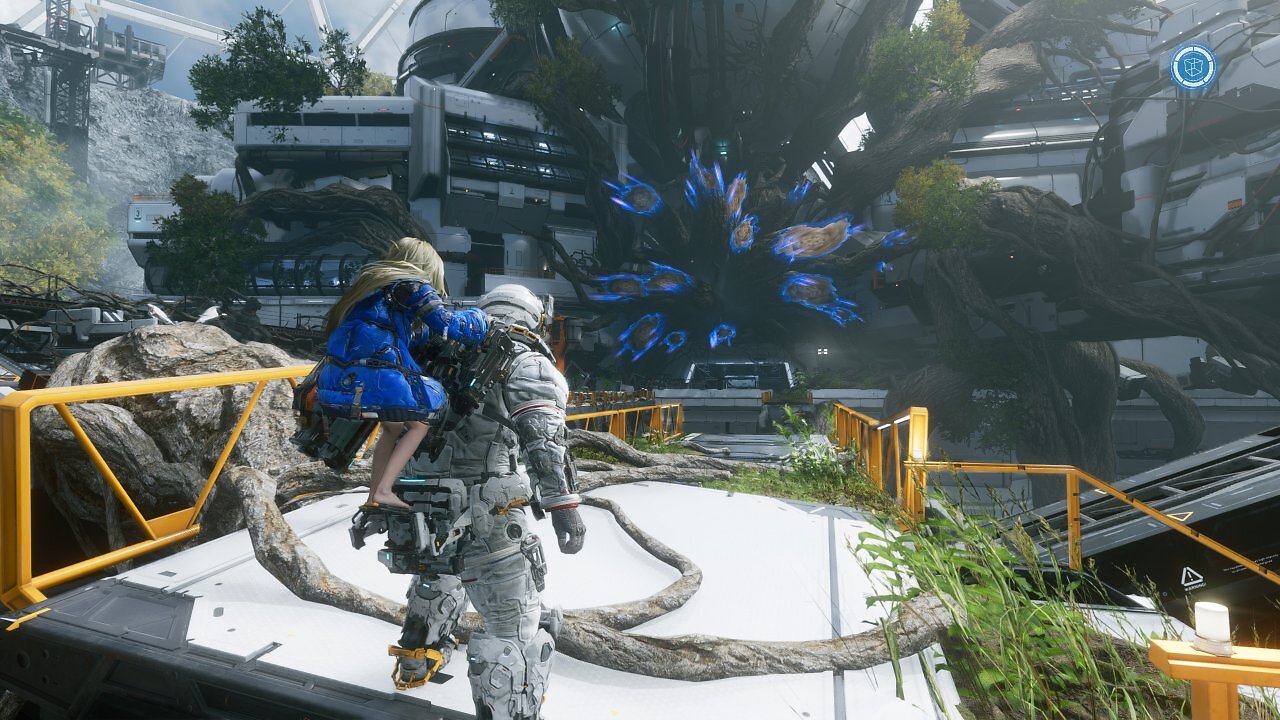
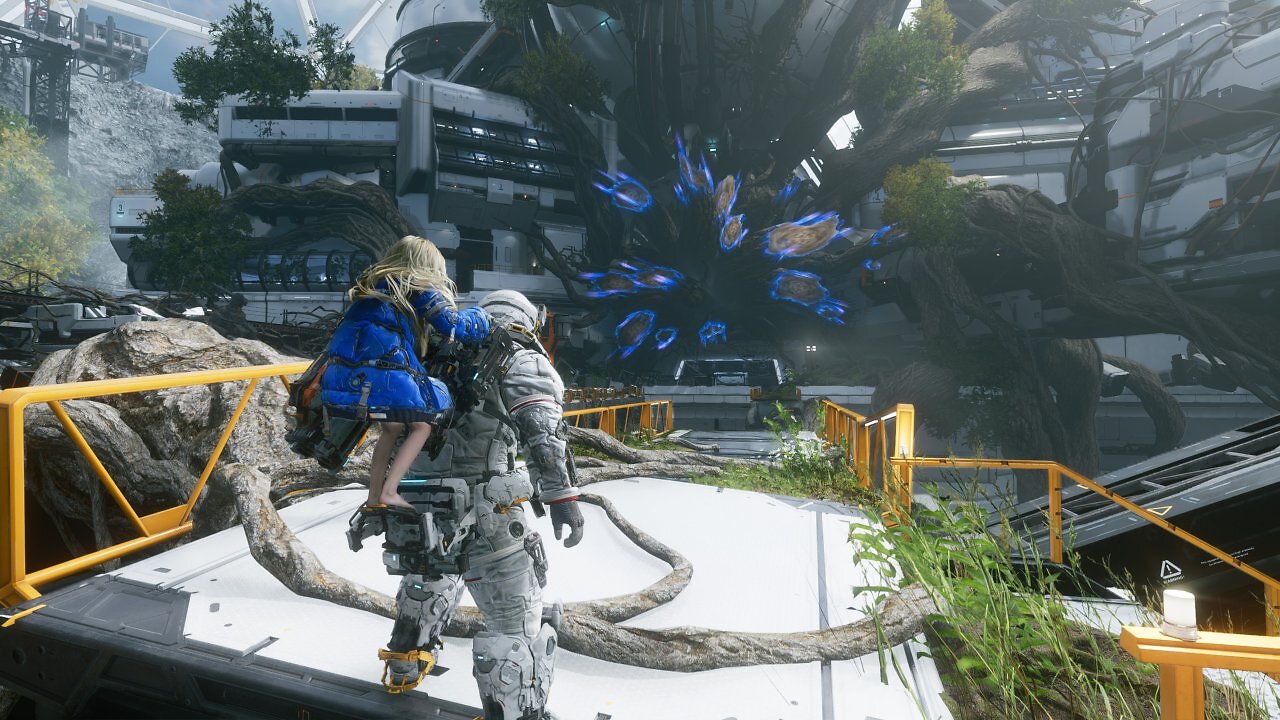
FSR 4 also does a significantly better job of bringing out Diana's flowing, blonde hair. With FSR 3, the strains tend to appear grainy and have a smudgy appearance, especially at low resolutions and with aggressive upsampling levels. While FSR 4 naturally loses some quality at low resolutions and with high upscaling factors, it does a much better job of preserving fine details, outlines, shadows, and contrasts. FSR 3 in Full HD with Performance Upscaling is no match for FSR 4 in terms of quality—the differences are enormous. When it comes to visual quality, there are two winners: FSR 4 Int8 and FSR 4 FP8—both are worlds ahead of the FSR 3 presentation.
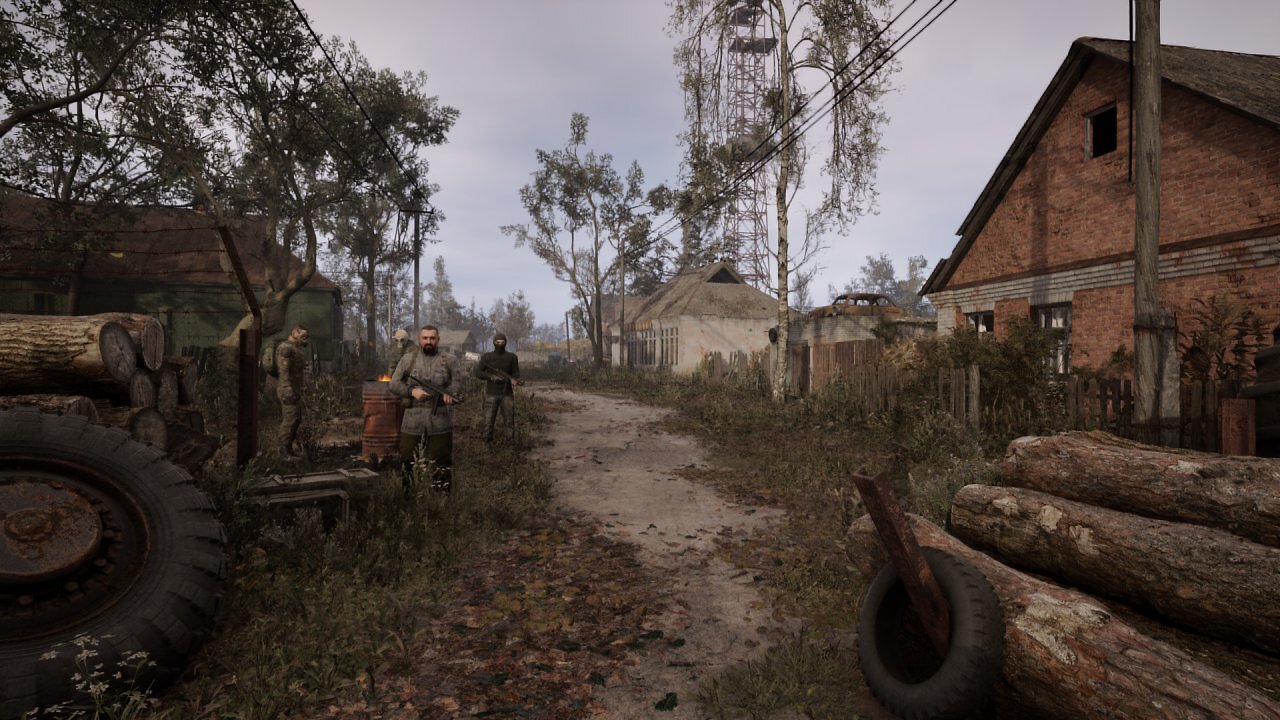
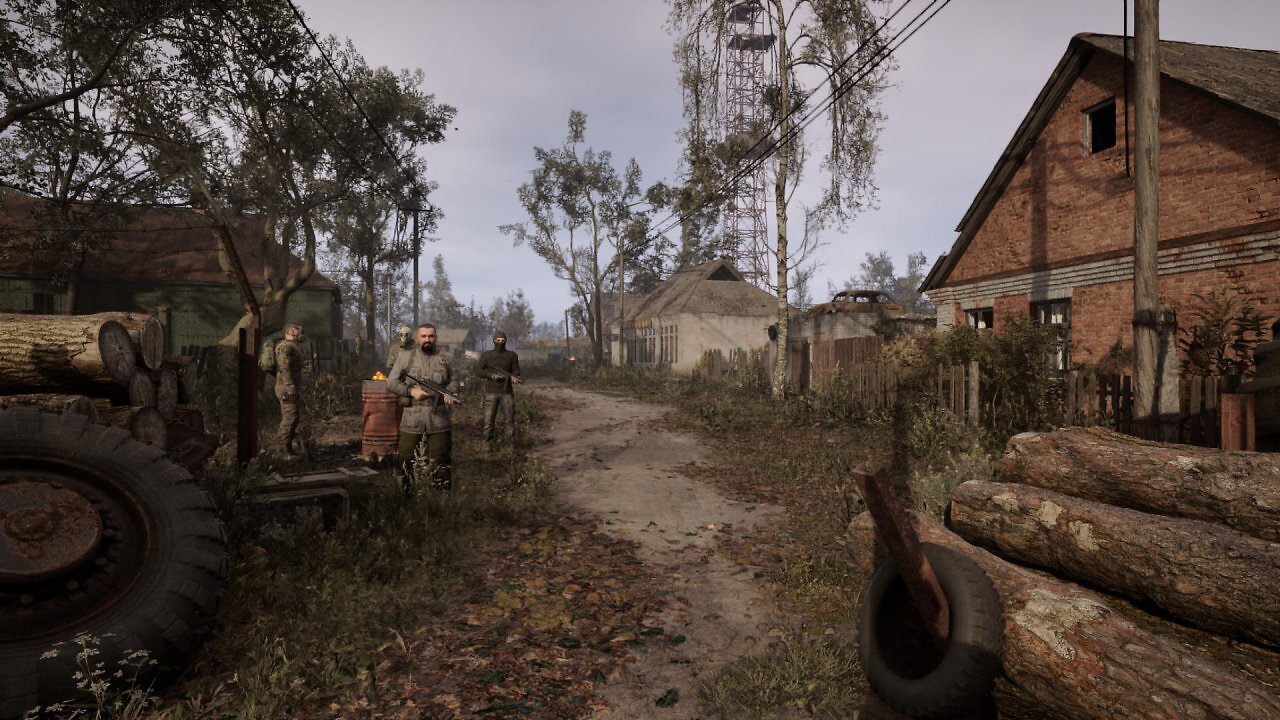
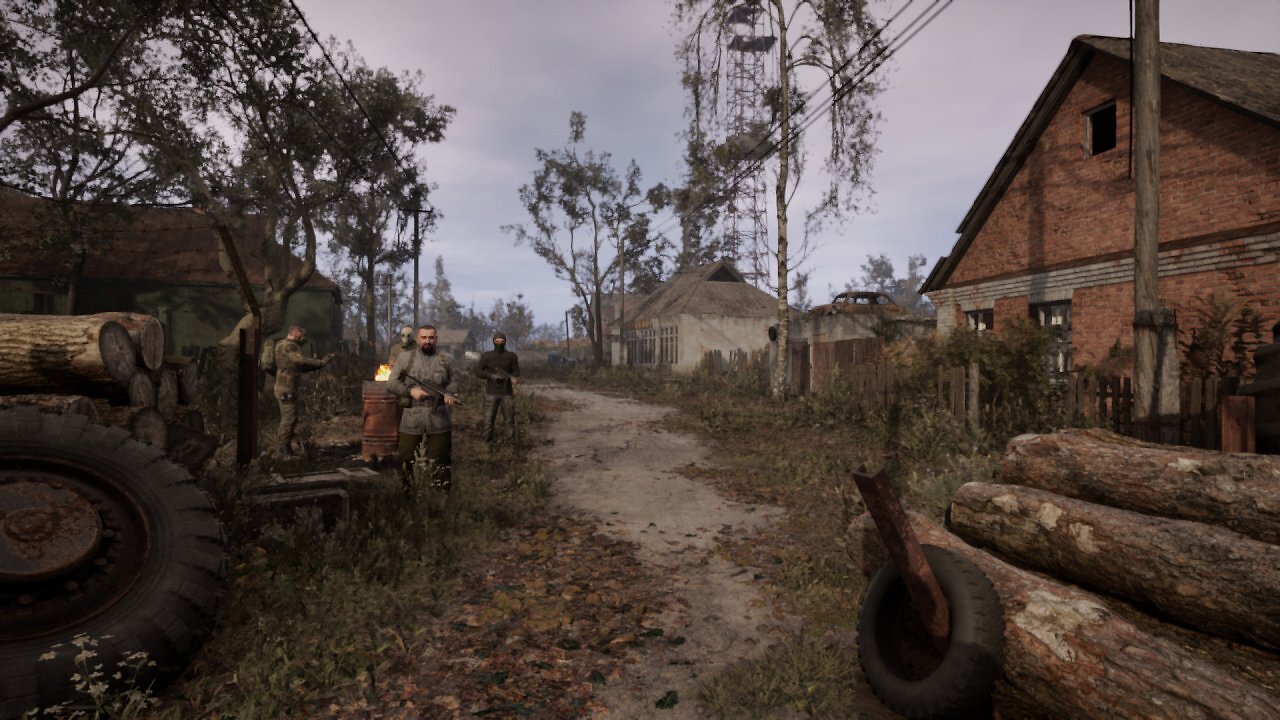
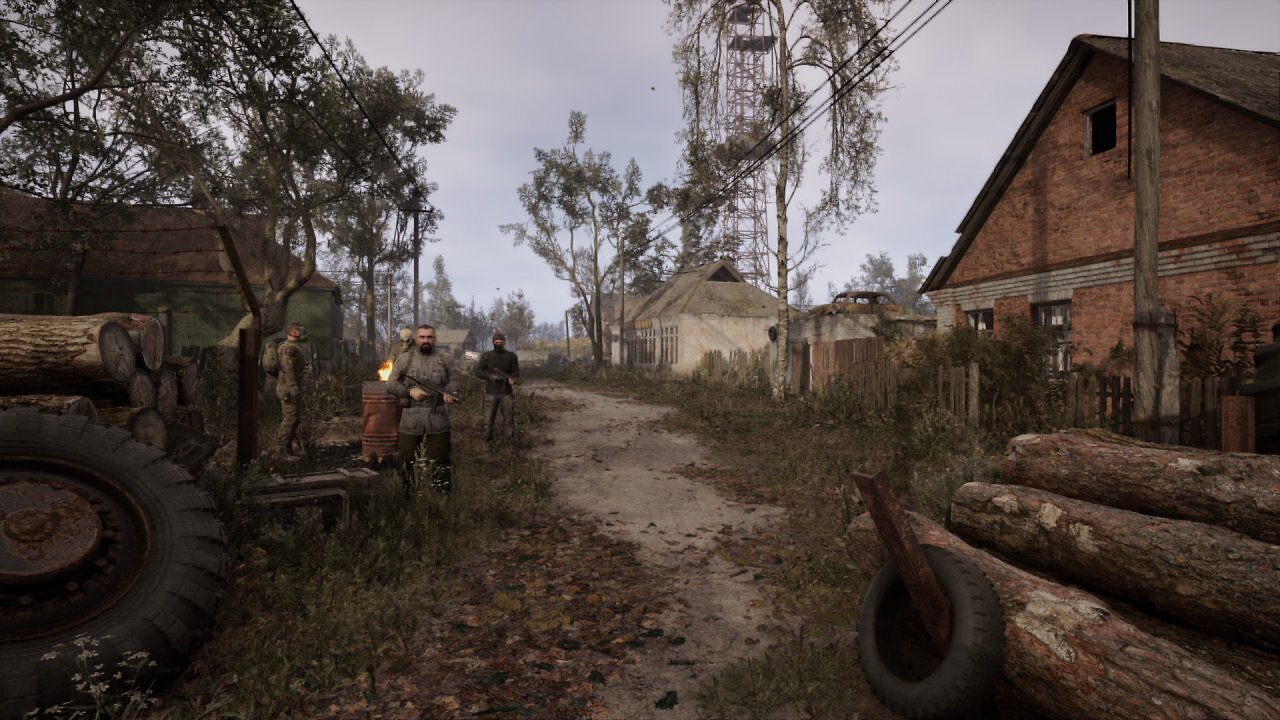
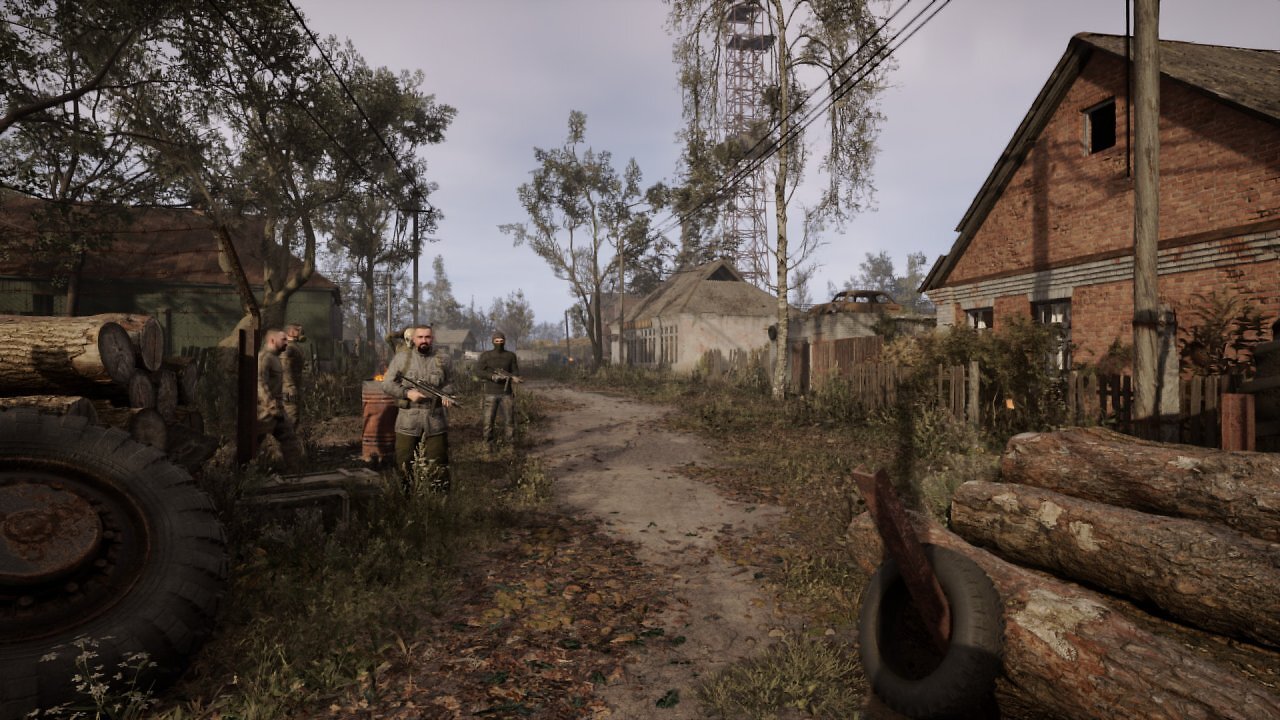
To wrap things up, we've chosen Stalker 2. This immersive first-person adventure set in the Zone generally offers rather mediocre upscaling quality. In addition, many elements—especially the fine vegetation—tend to exhibit very distracting pixelation and ghosting when upscaled, particularly with old FSR versions. Particles, the outlines of characters (who are moving—so disocclusion artifacts appear around them), and overall image sharpness also suffer very noticeably with the default FSR 3 setting, primarily at aggressive upscaling levels.
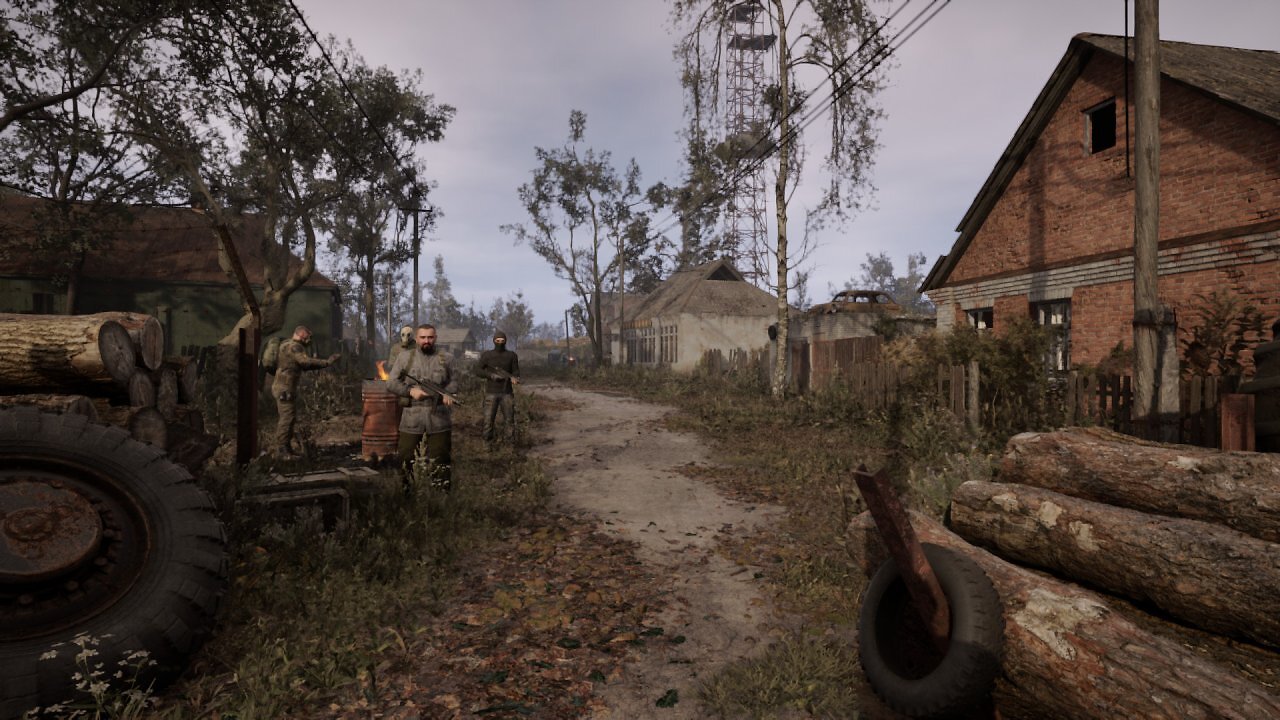
As expected, the image quality with FSR 3 leaves something to be desired. Even in WQHD and with native rendering or quality upscaling, the image appears jittery and tends to look coarse and grainy. The rendering of fine details is also compromised. Take a look at the birch tree on the right in the foreground and the struts of the metal tower behind it. Texture details also suffer with FSR 3; with FSR 4, both the RDNA 3 and RDNA 4 variants bring out significantly more detail from the materials, clearly visible in the foliage and the asphalt in front of our character. Grass and vegetation away from the trees are rendered more cleanly and with greater detail using FSR 4; the contrasts in highlights and shading are significantly sharper, especially at low resolutions and with aggressive upsampling levels.
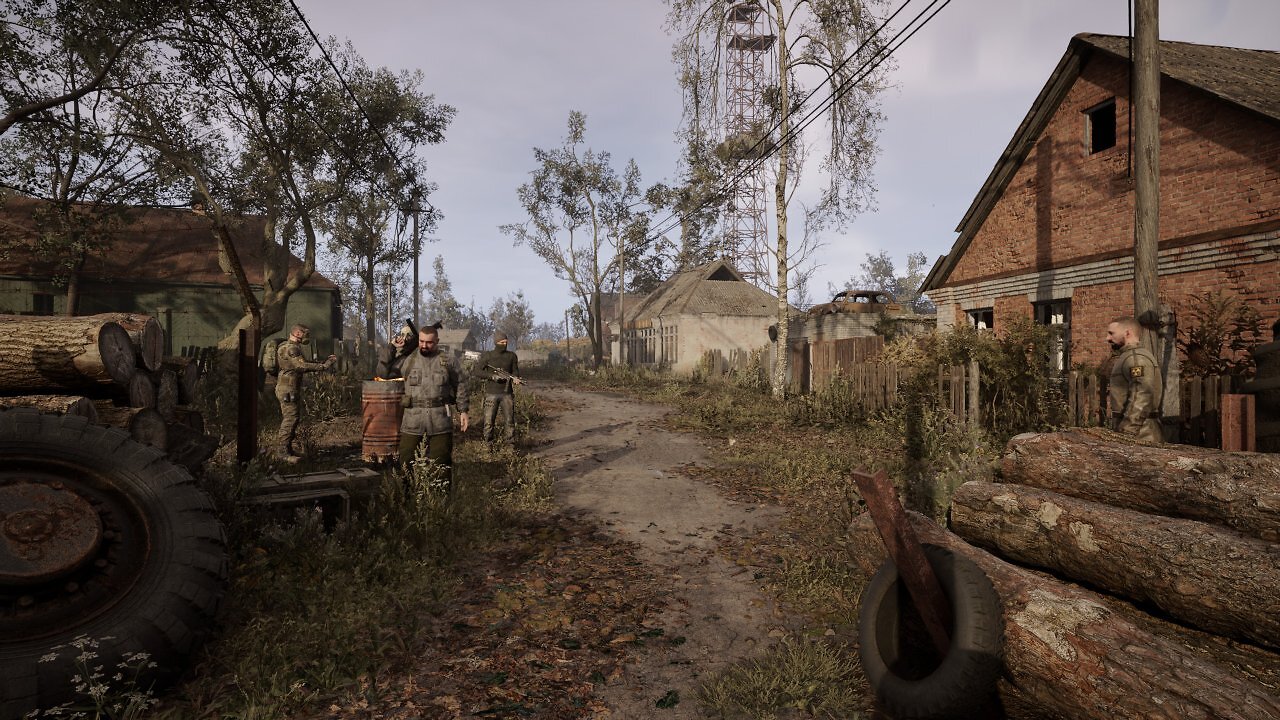
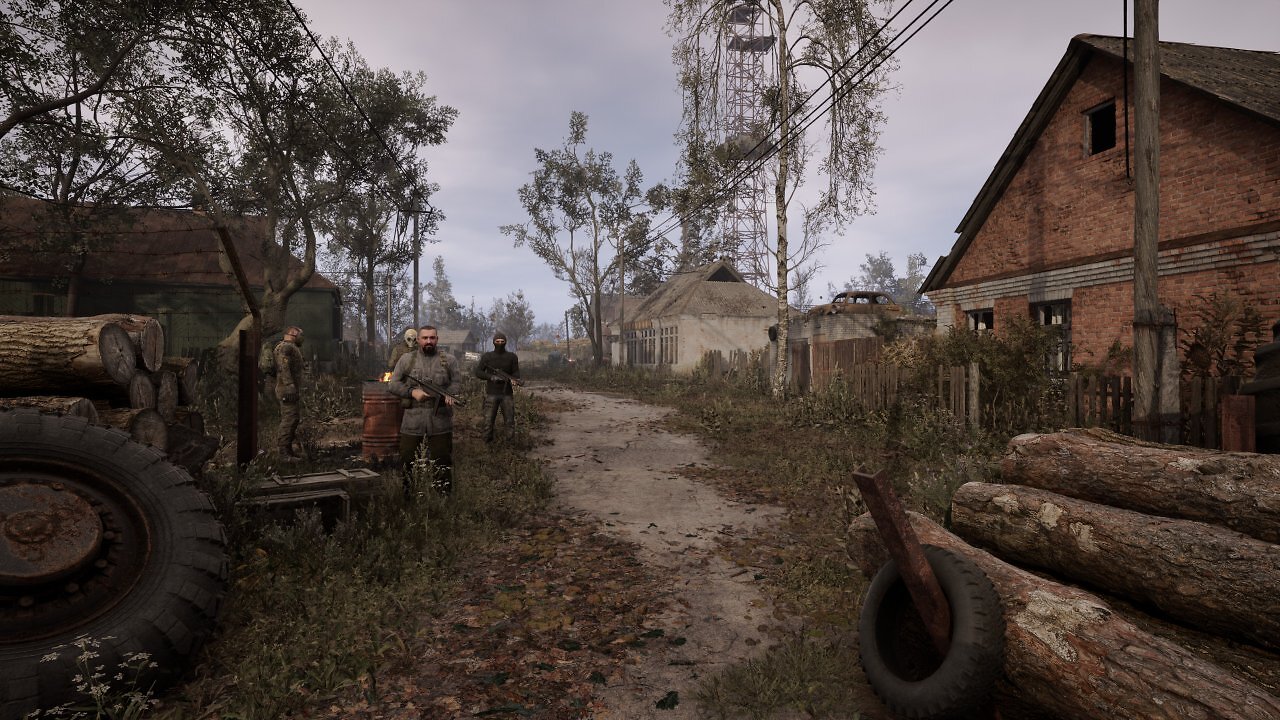
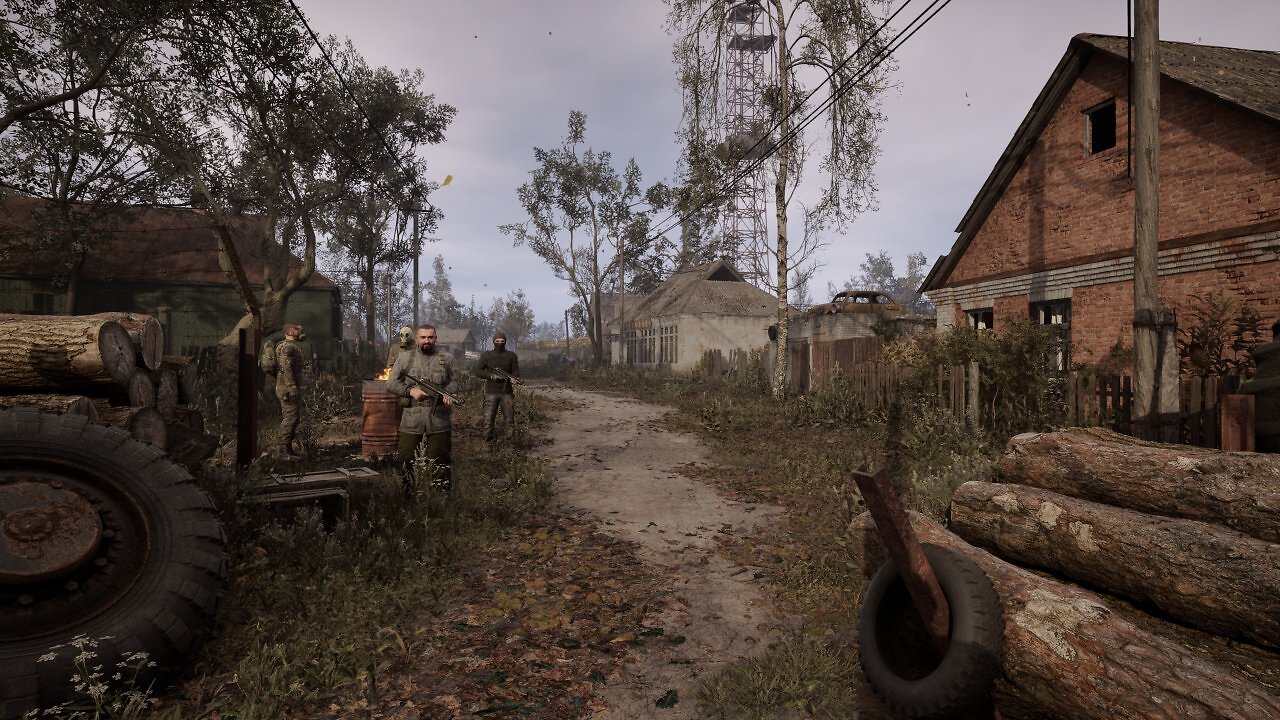
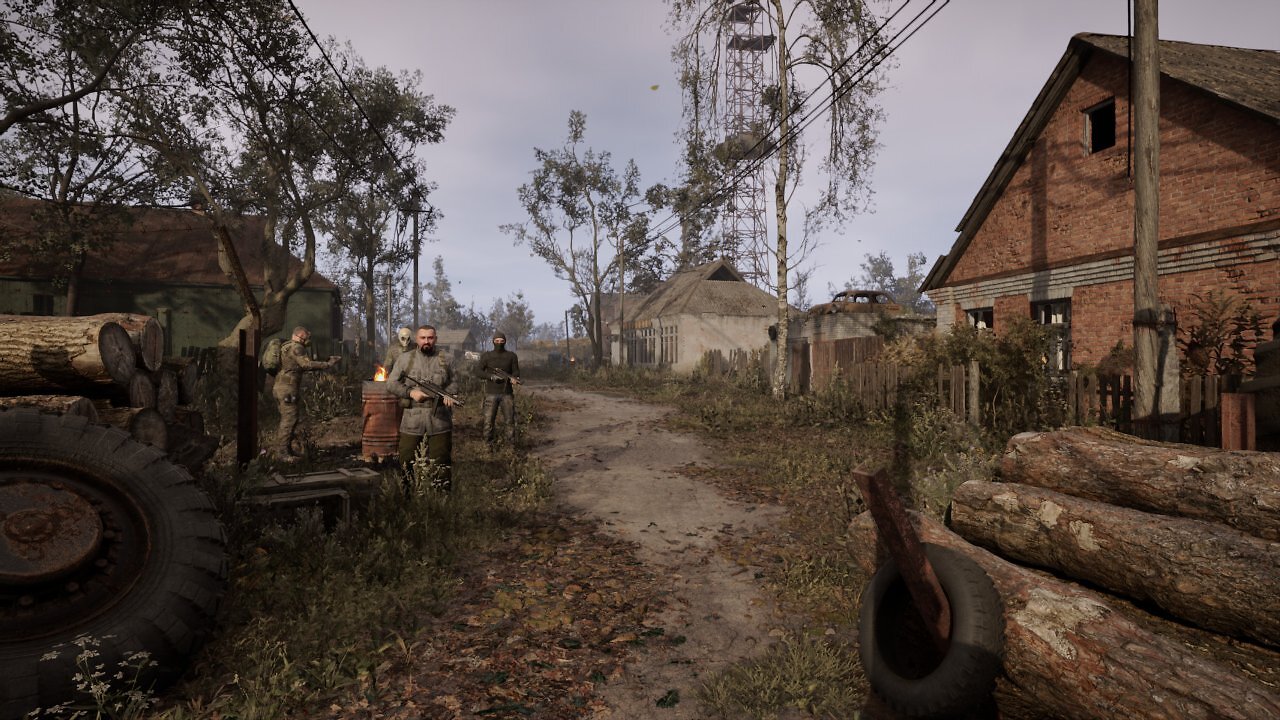
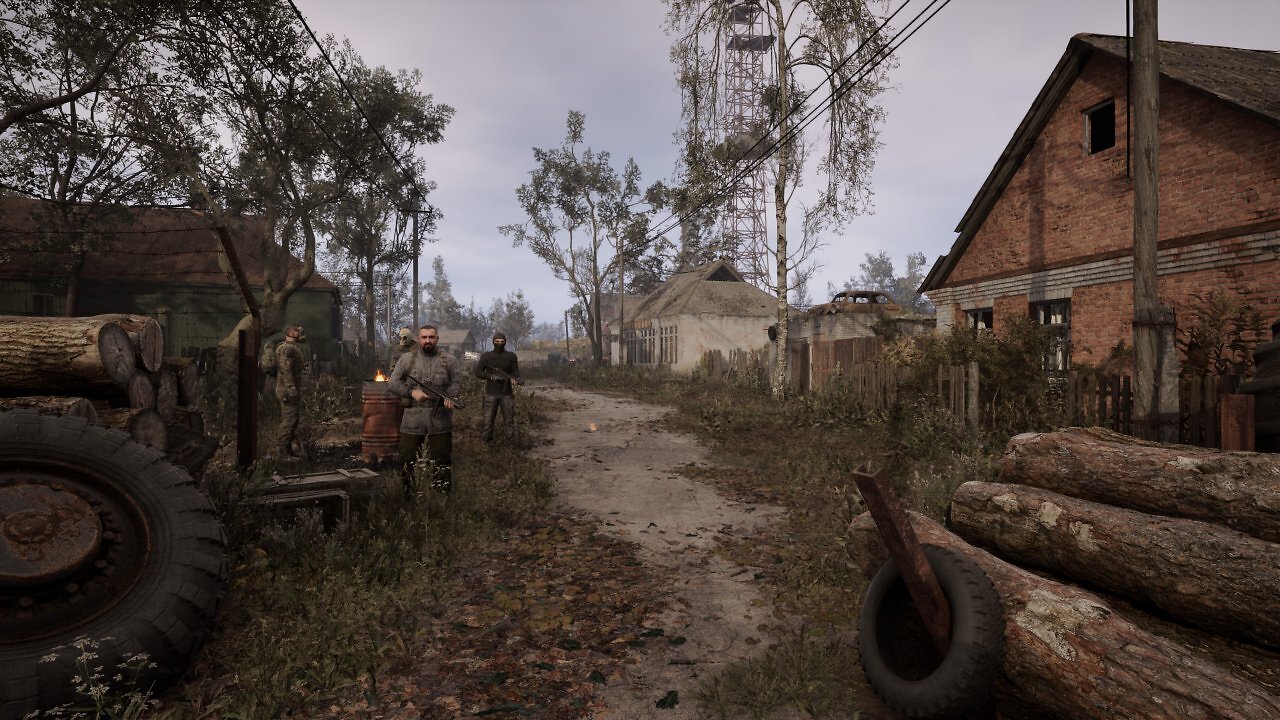
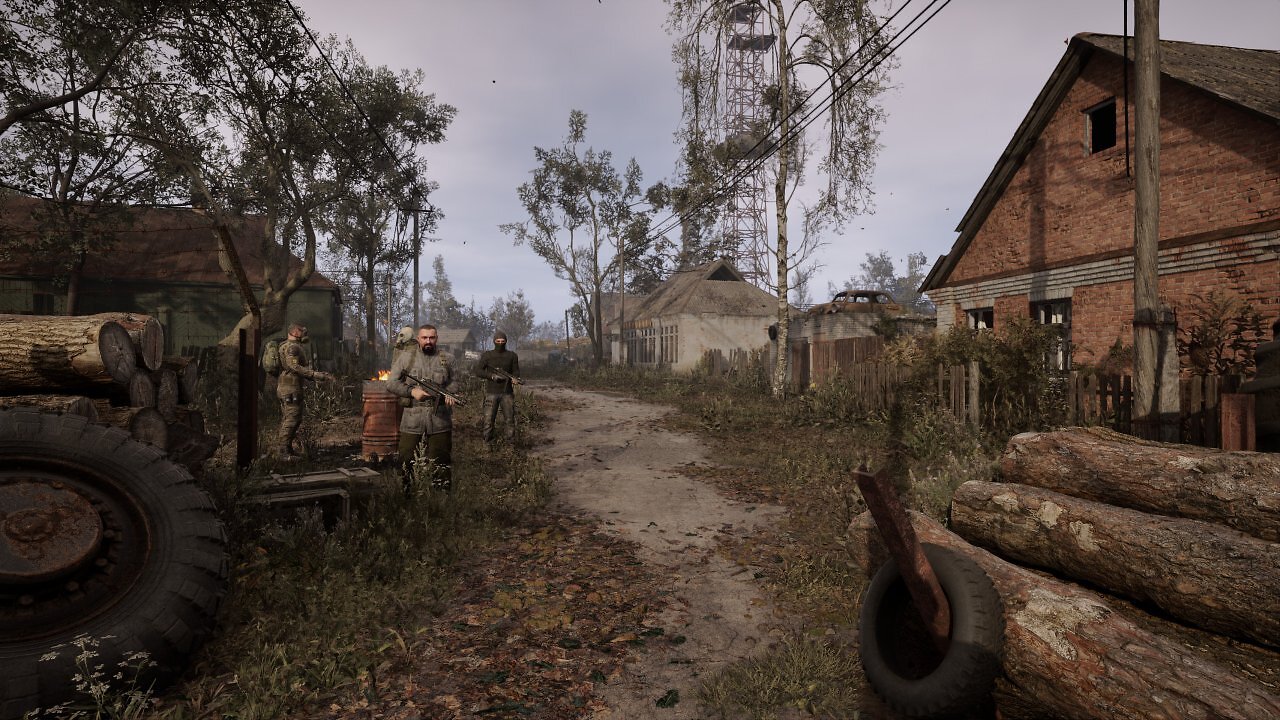
Once again, the differences between RDNA-3 and RDNA-4 FSR-4 are difficult to spot without a magnifying glass, but as in previous examples, the contrasts in the RDNA-4 version appear just a tad sharper, and the graphics are a tiny bit more detailed and accentuated. But as before, these differences are so subtle that even trained eyes have trouble discerning clear differences. But here and there—for example, on the gray roof with the wavy fiber cement in the center-right of the image or on the red brick building—FSR 4 on RDNA 4 looks marginally sharper than the Int8 version on RDNA 3.
Long story short: AMD's AI-assisted upscaling is miles ahead of its predecessor in terms of image quality and stability, the frequency of artifacts, particle rendering, the preservation of fine details, texture rendering, motion, and deocclusion, which is often critical for temporal methods. In terms of quality, it makes little difference whether the Int8 model for RDNA 3 or the "full-featured" RDNA 4 variant is used. While a minuscule advantage for FSR 4 on RDNA 4 can be discerned here and there, it is so slight that it hardly matters whether you use a Radeon from the RDNA 3 or RDNA 4 generation.