FSR 4.1 for RDNA 3 Review: How does the new AI Upsampling perform on Radeon RX 7000?
AMD has kept its word: With the new AMD Software Adrenalin 26.6.2, the AI-powered upscaling technology FSR 4 can now be enabled on RDNA 3 GPUs, better known as Radeon RX 7000. We're testing the quality and performance cost of this RDNA 3 rejuvenation.
Special Add as a preferred source on Google
In this Article
It took AMD a while to get around to it, but the time has finally come: With the new AMD Software Adrenalin 26.6.2, the AI-powered and well-received FSR 4 can now be enabled on older RDNA 3-generation Radeon GPUs. That's a pleasant surprise, as AMD had originally promised the feature update for July. One reason for this is likely that Valve inadvertently released the FSR 4.1.1 DLLs as part of the Steam Machine (PCGH Review) initiative. Users tracked them down and promptly used them to get FSR 4.1.1 running on RDNA 3 aka Radeon RX 7000 through unofficial means.
Something very similar had already happened with the DLL files for FSR 4.0.2c, an Int8 version compatible with RDNA 2 and 3: The corresponding FSR 4 libraries leaked online and spread rapidly. Thanks in part to the powerful and potent Optiscaler tool, FSR 4 Int8 has been usable with older RDNA generations for quite some time. However, rather than letting the community rush ahead once again and providing unofficial support, AMD apparently decided to offer the feature officially and directly alongside the latest Radeon driver.
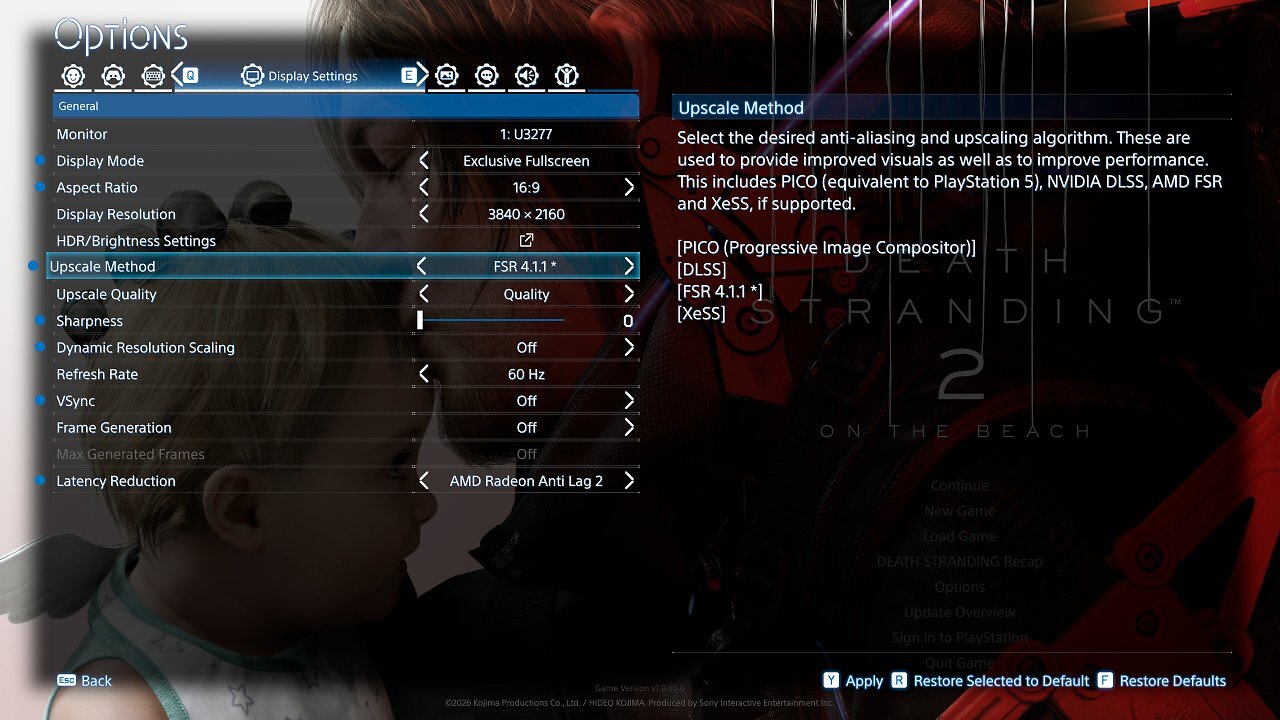
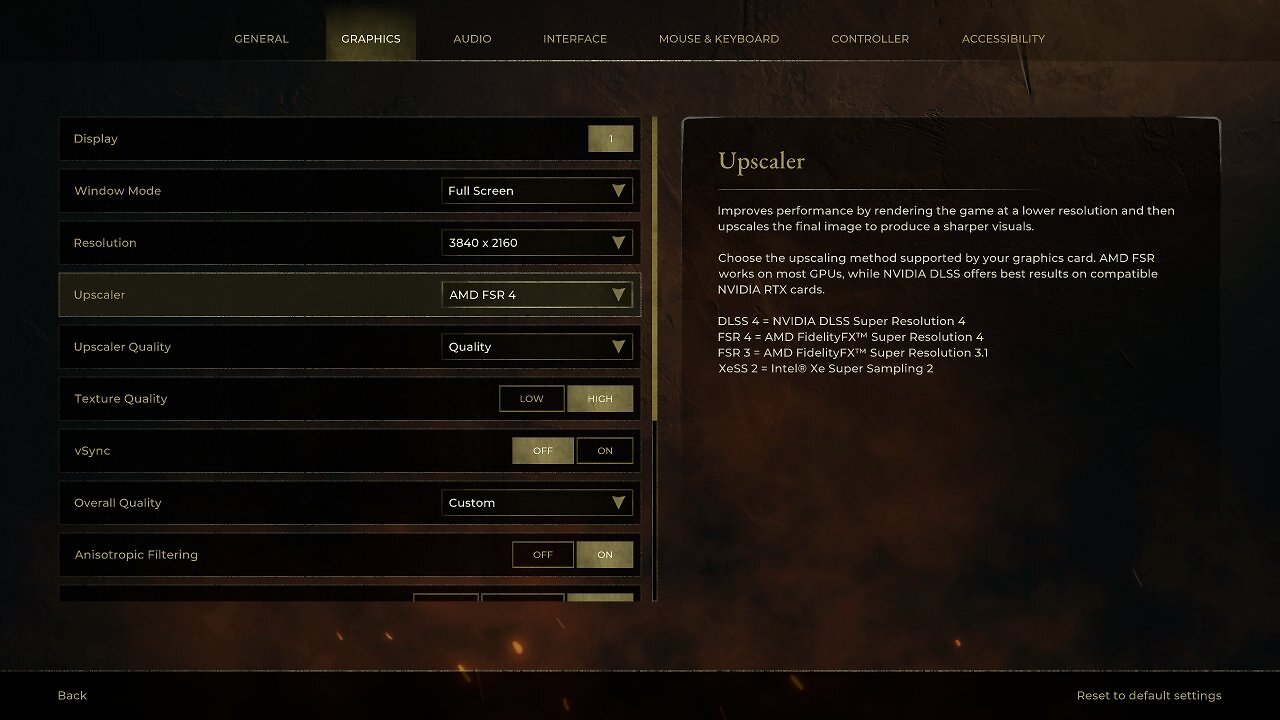
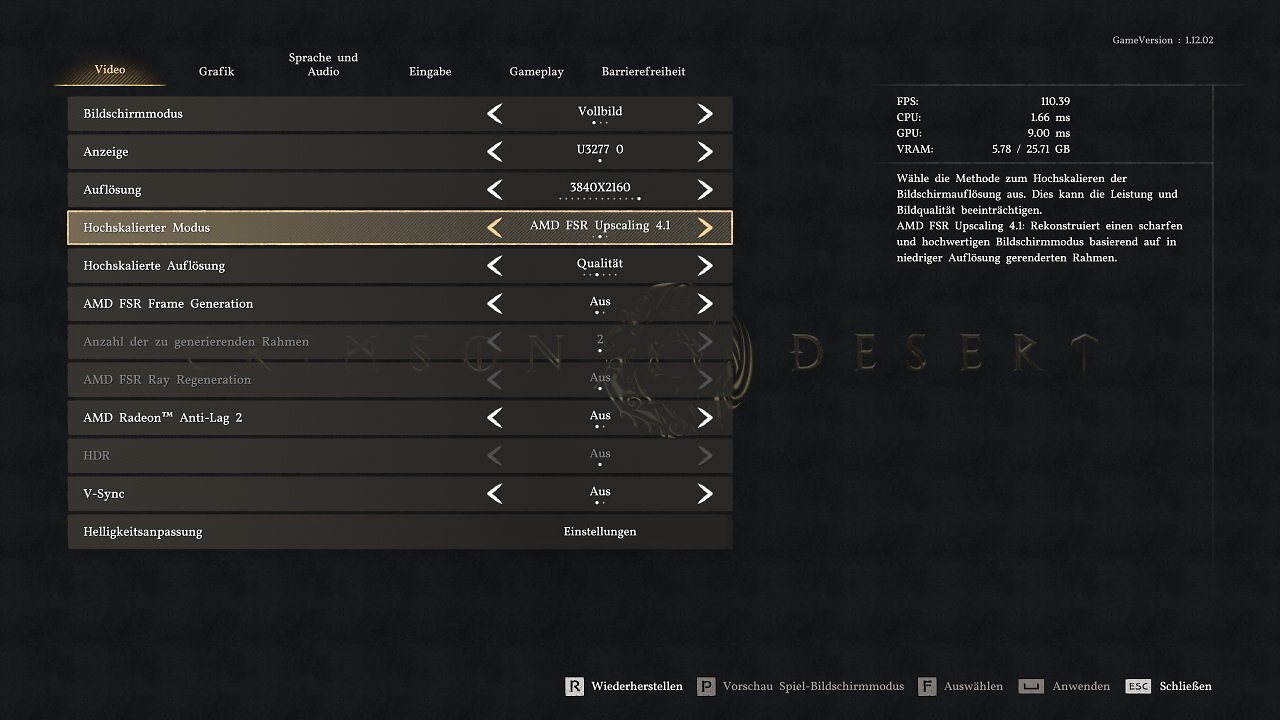
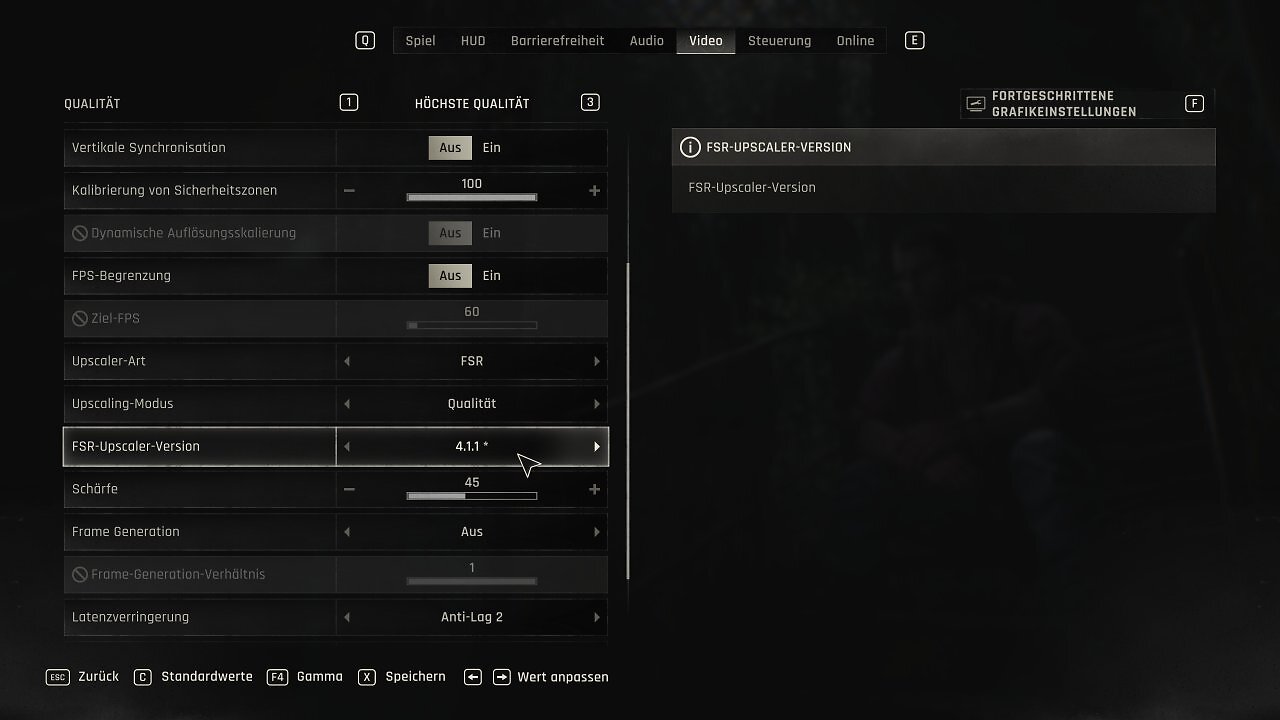
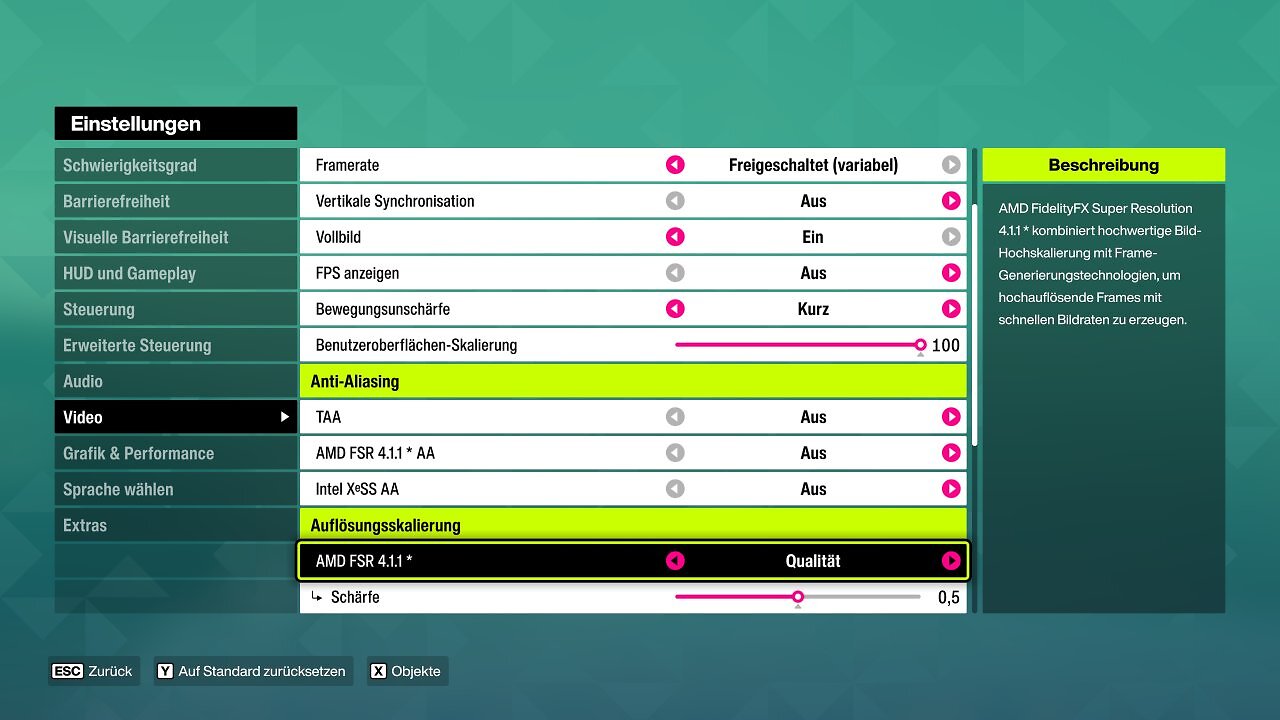
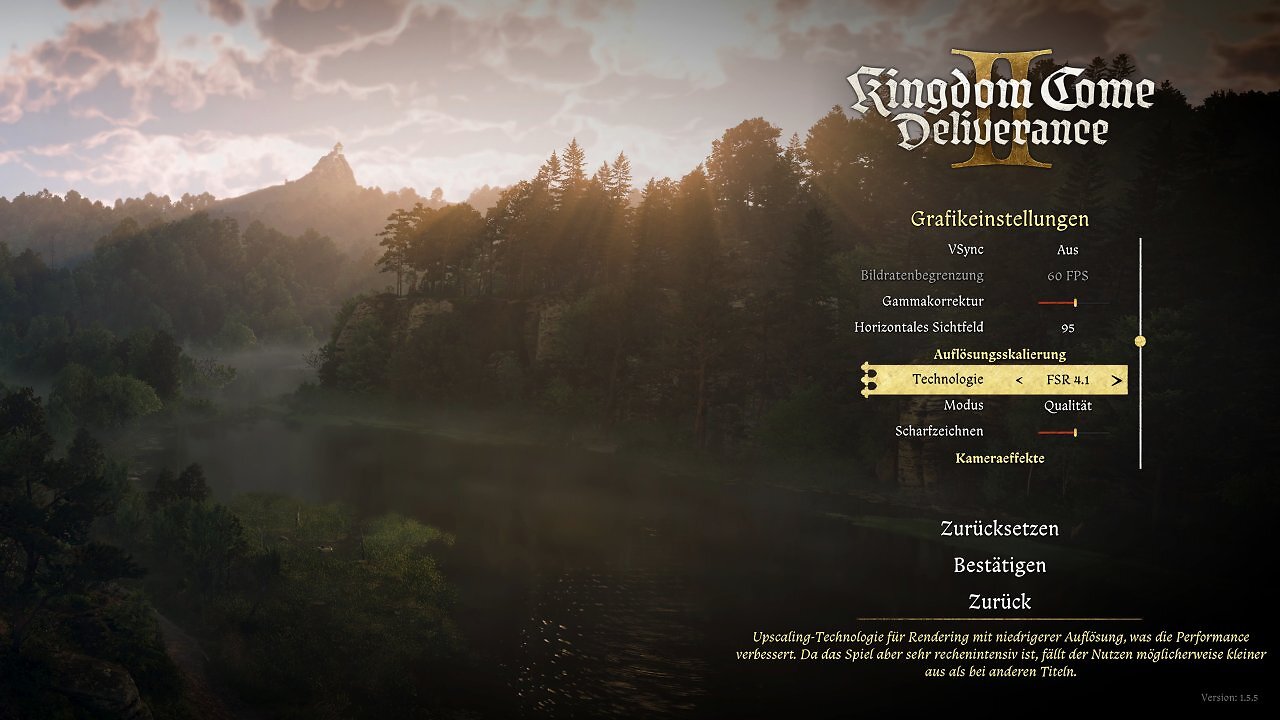
FSR 4.1.1 for RDNA 3 is a slightly simplified version of FSR 4, which has so far been (officially) exclusive to RDNA 4 aka Radeon RX 9000. The version compatible with RDNA 3 uses Int8 instead of FP8, meaning the AI-assisted calculations are based on an 8-bit integer format rather than a floating-point format. According to AMD, despite coarser and generally less accurate calculations, the visual quality of FSR 4 running on RDNA 3 with Int8 is said to be on par with FP8 FSR 4 for RDNA 4 graphics cards, thanks to adjustments and optimizations. The transition from FP8 (RDNA 4) to Int8 (RDNA 3) took some time, and it took a while to sufficiently verify quality and performance across different platforms.